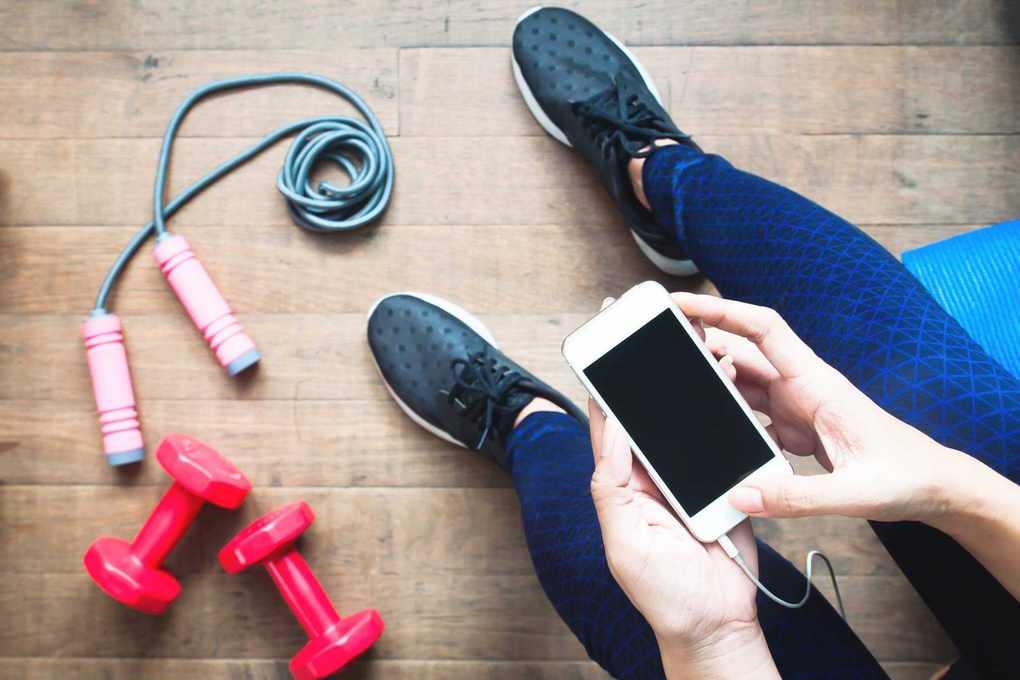
To feel our best, we must listen to our bodies. Personally, I find that cycling in and out of intermittent fasting enhances my vitality. When I maintain a rhythm that suits me, I enjoy consistent energy, improved digestion, and find it easier to manage my weight without obsessing over food choices.
However, it’s crucial to stay flexible with fasting schedules. If I wake up feeling hungry, I eat. During the week leading up to my period, I skip fasting altogether. For me, intermittent fasting is about tuning into my body’s signals—not about strict adherence.
My current routine is influenced by a book that emphasizes how women can fast in harmony with their hormonal cycles. I generally align my fasting with my menstrual cycle: most of the month, I follow a 16:8 fast (eating between 10 a.m. and 6 p.m., for example), but during the luteal phase, I don’t fast at all. In my follicular phase, I experiment with longer fasts, as my energy tends to be higher.
This adaptable approach has been transformative for me. It’s not just personal experience—scientific research supports the idea that intermittent fasting can enhance women’s health, promote longevity, reduce inflammation, and yield numerous other health benefits.
To explore this research, a certified nurse-midwife provides practical insights into a supportive, grounded way to approach intermittent fasting.
She has over 11 years of experience in women’s health, studying medicine with a focus on community health and birth center practices.

Understanding the Science of Intermittent Fasting
“Extensive research supports intermittent fasting,” she explains. “While it can promote weight loss, its benefits extend much further. Evidence indicates its capacity to ‘clean’ cells, enhance longevity, and lower the risk of diseases such as diabetes and heart disease. Intermittent fasting helps maintain healthy DNA and cells, potentially slowing down aging. It’s like finding the fountain of youth.”
She clarifies that intermittent fasting isn’t just a trend; it has been examined at prominent research institutions, including USC and Harvard. Studies associate it with improved metabolic health, reduced inflammation, enhanced brain function, and increased longevity.
How Fasting Functions in the Body
On a typical day, your body relies on glucose from food for energy. However, fasting prompts a shift from burning sugar to using stored fat—a process known as metabolic switching.
This transition not only aids in fat loss but also triggers a series of cellular benefits. As fasting progresses, glycogen stores deplete, pushing your body into ketogenesis, releasing ketones into the bloodstream. These ketones:
- Boost the body's defense against oxidative stress
- Assist in repairing damaged cells
- Enhance blood sugar regulation
- Increase resilience to stress and diminish inflammation
Even more intriguing: ketones stimulate the release of BDNF (brain-derived neurotrophic factor), which strengthens neurons and neural connections, benefiting memory and cognitive function.
“Think of fasting as a brief ‘spring cleaning’ for your body,” she suggests. “It gives your system a pause from constant digestion, allowing cells to repair and rejuvenate.”

Unique Considerations for Women and Intermittent Fasting
Although intermittent fasting can be advantageous for nearly everyone, women should approach it with flexibility due to their hormonal fluctuations. She emphasizes, “Women aren’t simply smaller men. Our hormonal changes throughout the month mean that fasting can be energizing at some times and depleting at others.”
Here’s a straightforward guide based on research and personal experiences:
- Follicular phase (Days 1–14): As estrogen rises, energy increases. This is often the ideal time for longer fasts (14–16 hours).
- Ovulation: Continue moderate fasting if it feels good, but always listen to your body.
- Luteal phase (the week before menstruation): Cortisol sensitivity increases, and your body may require more nourishment. Consider reducing fasting or skipping it altogether.
- Menstruation: Many women prefer gentle fasting or none at all during this phase.
This cyclical method has been effective for me, and it aligns with recommendations from hormone experts: respect your cycle rather than forcing through it.
Long-Term Advantages of Intermittent Fasting
A review published in the New England Journal of Medicine highlighted various significant benefits of fasting, including:
- Cognitive function: Enhanced memory and mental clarity
- Heart health: Improved blood pressure, cholesterol, and resting heart rate
- Metabolic health: Better insulin sensitivity and lower risk of Type 2 diabetes
- Physical performance: Greater endurance and preservation of lean muscle
- Longevity: Improved cellular repair mechanisms that may decelerate aging
For me, these benefits manifest as sustained energy, improved digestion, and a stronger connection to my body’s signals.

Gentle Introduction to Intermittent Fasting
If you're considering trying fasting, here’s a mindful approach:
- Start with 12 hours between dinner and breakfast.
- After a week or two, extend to 14–16 hours if it feels comfortable.
- Stay hydrated—water, black coffee, and herbal teas are ideal.
- Prioritize nutrient-rich foods during your eating window to maintain hormonal and blood sugar balance.
- Allow 3–4 weeks for your body to adjust. “Feeling tired or irritable at first is normal,” she notes. “That typically fades as your metabolism adapts.”
Most importantly, remember: it doesn’t have to be all or nothing. If you wake up hungry, eat. If your body craves more during specific phases, heed those signals.
When to Approach Intermittent Fasting with Caution
While intermittent fasting offers many benefits, it isn’t suitable for everyone. Avoid fasting if you:
- Are under 18
- Are pregnant or nursing
- Have a history of eating disorders
- Have diabetes or other blood sugar conditions
Always consult with a healthcare provider prior to making significant dietary changes, especially if you have any underlying health issues.
Emphasizing Food Freedom
For me, intermittent fasting isn’t about restriction but about discovering a rhythm that aligns with my energy, mood, and hormonal needs—while remaining adaptable when my body signals for something different.
She sums it up succinctly:
“When practiced mindfully, intermittent fasting can be a valuable tool to enhance women’s health, but flexibility is key. Our hormones fluctuate, and our fasting approach should reflect that.”
References & Sources:
- Pelz, M. Fast Like a Girl (2022)
- Mattson MP et al. “Intermittent Fasting and Human Metabolic Health.” New England Journal of Medicine, 2019.
- National Institute of Health. “Ketogenesis and Cellular Stress Response.”
- USC Longevity Institute; Harvard Medical School studies on metabolic switching.
This post was last updated on October 24, 2025, to include new insights.