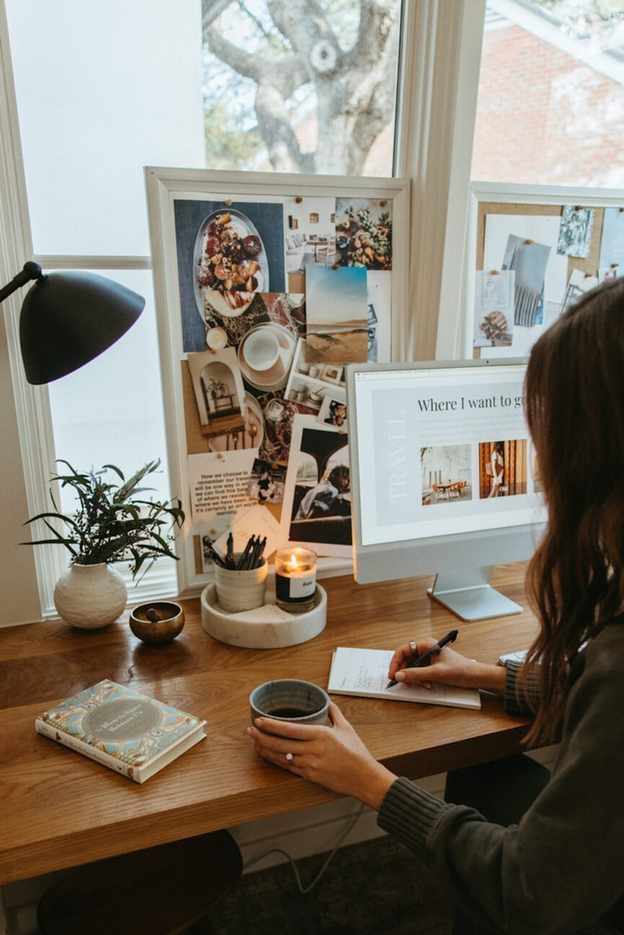
I used to believe that dealing with water retention was just part of life—something that cropped up during hot weather, around my menstrual cycle, or after long flights. But as time passed, I noticed a concerning trend: the longer I sat at my desk, the worse the issue became.
By day's end, my legs felt heavy and swollen, as if my body was holding onto fluid it couldn't get rid of. Despite trying all the usual remedies, nothing seemed to work.
So, like many, I turned to the internet for answers. Yet, most information I found about water retention felt overly generic and failed to address my specific experience. I soon realized that water retention from prolonged sitting is a distinct issue. It goes beyond just hydration or sodium intake—it's about how movement and circulation play a crucial role in our bodies.
Shifting my approach was a game changer. I started making small adjustments—some intuitive, others backed by research—and began to see real results. Below, I share the habits that helped me combat water retention and how they work, so you can create a supportive routine, especially if you're often sitting like I was.
Understanding Water Retention from Prolonged Sitting
To grasp why water retention occurs, it's essential to understand the lymphatic system. Think of it as your body's drainage system,” as explained by an expert. “It carries lymph—a fluid that contains immune cells and waste—through your tissues and back into your bloodstream.”
Unlike the circulatory system, which is propelled by the heart, the lymphatic system relies on movement—muscle contractions, walking, and even breathing—to facilitate fluid flow.
When movement diminishes, fluid may accumulate, particularly in the lower regions of the body. This accumulation manifests as the heaviness and puffiness that many experience after a day of sitting. It's not random; it's your body reacting to stillness.
How Sitting Exacerbates Water Retention
Extended periods of sitting not only lead to stiffness but also disrupt fluid movement within your body.
Studies show that sitting for long durations can diminish circulation, leading to fluid accumulation in the lower body. In one particular study, prolonged sitting resulted in reduced blood flow and noticeable swelling in the lower limbs, especially when movement was restricted. Without regular muscle activity—like walking or stretching—fluid can pool in your legs, ankles, and feet.
This creates a recognizable pattern: swelling that increases throughout the day, a sense of heaviness, and skin that feels tighter by evening.
It’s not just a matter of circulation; it's also about what's not happening.
When you're active, your muscles help pump fluid back up through your body. However, prolonged sitting slows down this system. The outcome is subtle yet significant: fluid stays longer than it should, making it harder for your body to process it effectively.
Even short breaks from sitting can be beneficial. Try incorporating brief activities—standing, walking, or stretching—into your day. This can enhance circulation and mitigate fluid buildup over time.
Remember this perspective: your body thrives on movement, not stillness.
Small Changes That Made a Big Difference
Once I shifted my mindset away from seeking quick fixes, I began to see that a series of smaller changes worked synergistically. These simple habits led to a noticeable improvement in my body’s ability to manage fluid retention.
I Stopped Sitting for Extended Periods
This was the most significant change. I used to oscillate between being completely sedentary at my desk and fully active during workouts. However, my body really needed consistent, low-effort movement throughout the day.
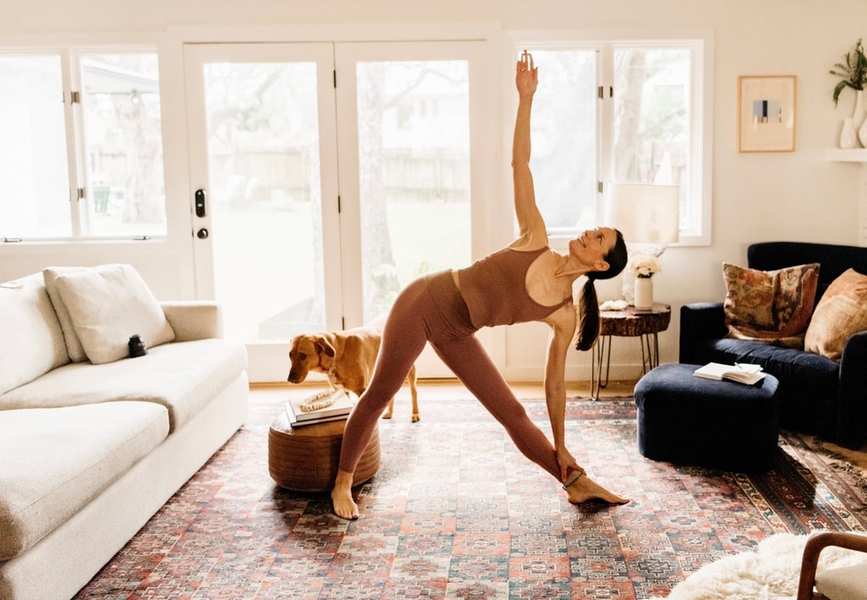
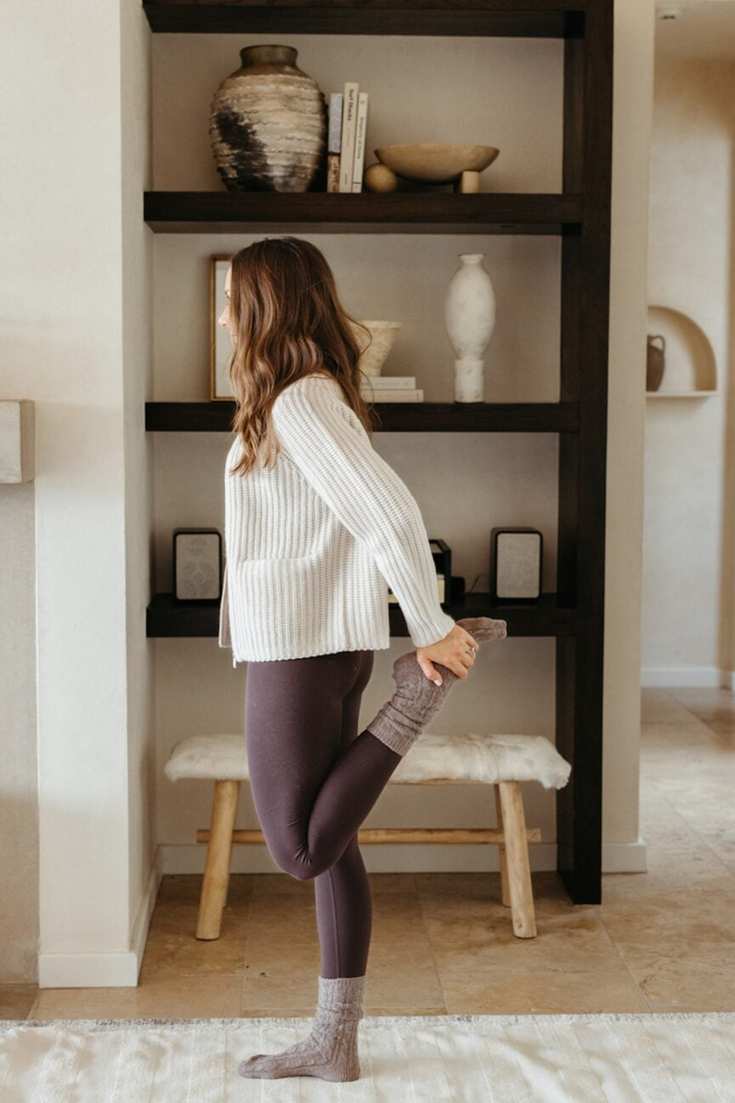
Now, I break long sitting stretches with quick resets: standing to stretch, walking around my home, and regularly changing my position. This keeps my body active and helps prevent fluid buildup.
I Elevated My Legs Regularly
This may seem simple, but it was effective. At the end of the day, I lie down and elevate my legs against a wall or on a pillow for a few minutes. A tip: my favorite app includes a ‘legs up the wall’ series that I enjoy during this time. It’s one of the quickest ways to counteract gravity and help redistribute fluid more evenly.
The results are immediate: reduced heaviness, less pressure, and a noticeable relief.
I Became More Intentional with Hydration
I thought I was good at staying hydrated, but I realized that the way I consumed water was just as critical as the amount.
Instead of only drinking when I felt thirsty or trying to catch up at the end of the day, I started taking smaller, consistent sips throughout. This approach changed how my body handled hydration. As an expert suggests, “Don’t chug—it overwhelms your system.” When I kept hydration steady, I experienced less end-of-day heaviness caused by my body retaining fluid.
I Embraced Gentle Daily Movement
If you haven’t started yet, now’s the time: not every day needs an intense workout.
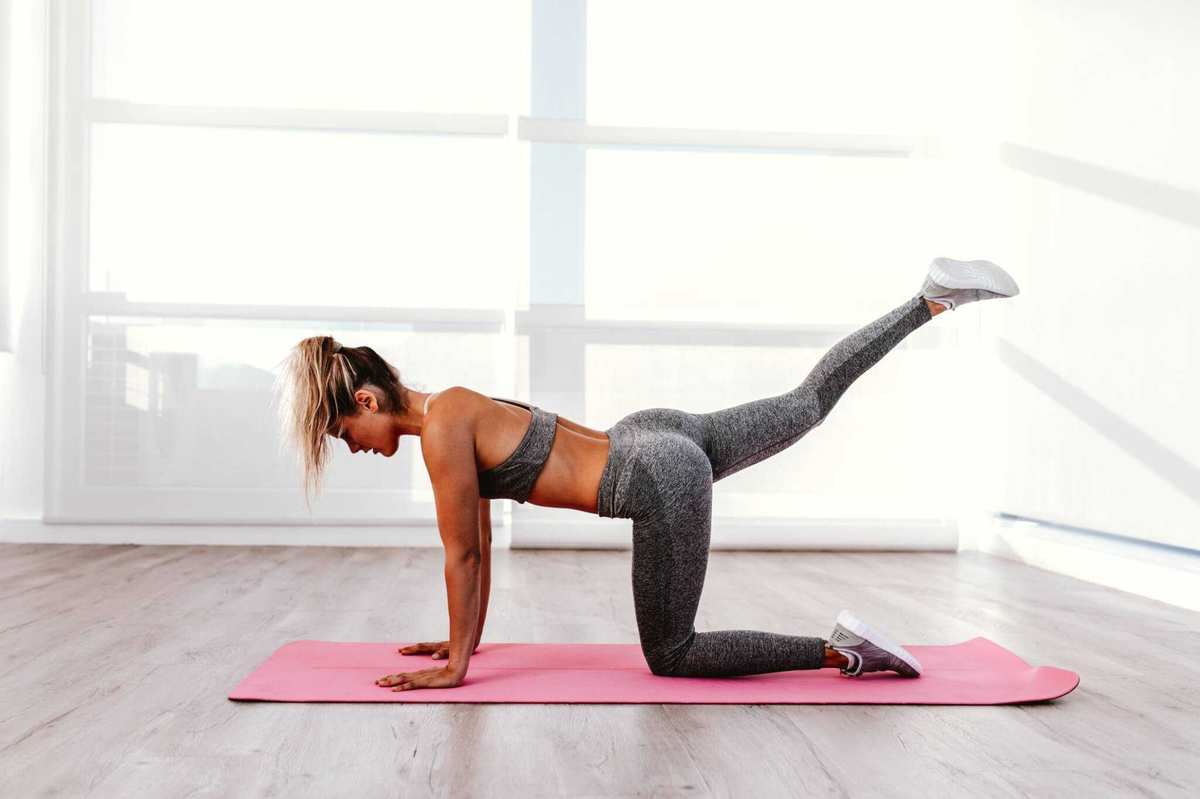
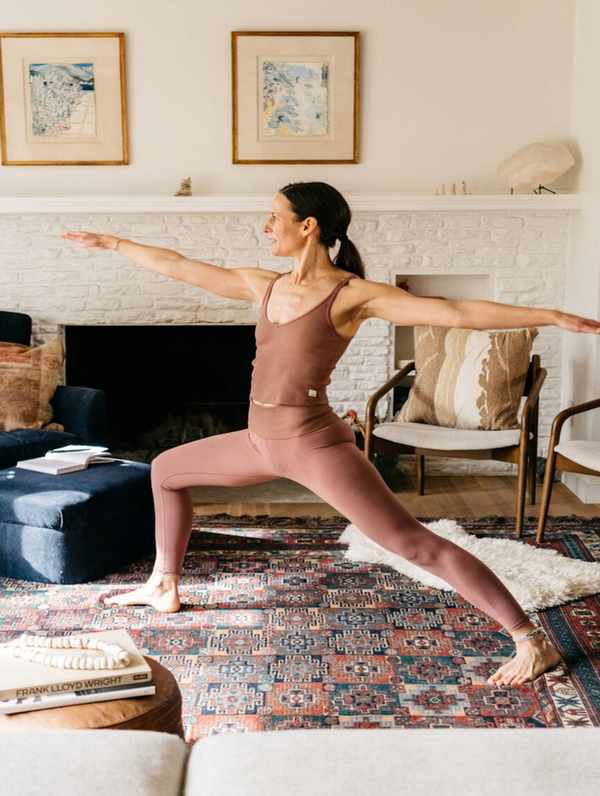
Low-impact activities like walking and stretching proved to be just as effective, if not more so, in alleviating that swollen feeling. They promote circulation without adding stress, aiding the body’s natural regulation over time.
One study indicated that just a couple of hours of continuous sitting led to increased calf swelling, and about 20 minutes of walking was needed to return fluid levels to normal.
While I still enjoy my early morning workout classes, I've learned that movement doesn’t need to be vigorous to be beneficial; it just needs to be consistent.
I Explored Dry Brushing and Lymphatic Massage
Practices like dry brushing before showering, gentle self-massage, and taking deeper breaths all contribute to enhancing the body's natural fluid movement.
These methods are straightforward, yet together they create momentum that your body appreciates.
Final Thoughts
Whether it's about water retention or other aspects of life, significant changes often come from paying attention to what your body actually needs.
Water retention ceased feeling random and instead became a cue—a sign that I had been too inactive or needed extra support to keep things flowing. By responding with consistent small adjustments rather than quick solutions, I transformed my experience for the better.
This post was last updated on March 30, 2026, to include new insights.
30 Simple Delights to Add to Your June Calendar