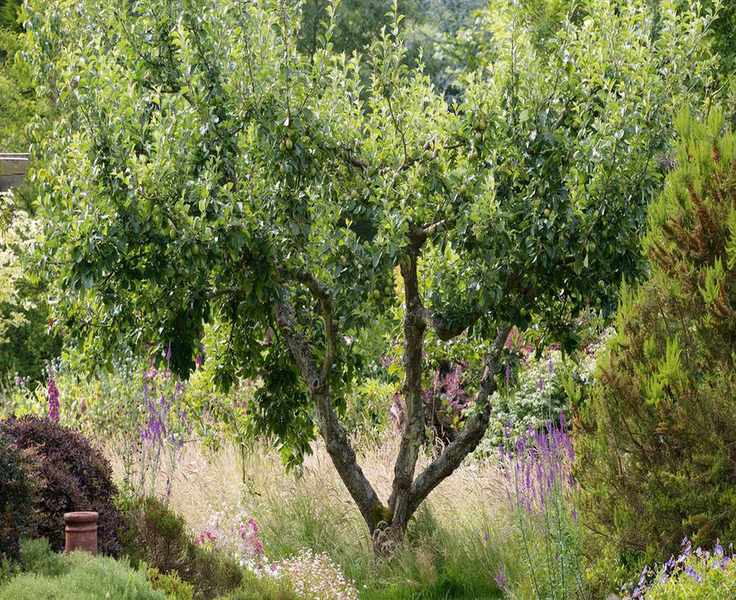
Knowing how to plant fruit trees correctly is essential for ensuring healthy growth and abundant harvests.
Fruit trees are a delightful addition to any garden, providing delicious options from crisp apples to sweet plums. There's nothing quite like enjoying fruit you've grown yourself, and it's often fresher than what you find in stores.
When planning your garden, it's crucial to select fruit trees that will thrive in your local climate and soil conditions.
"Start by consulting your local agricultural extension office, as they can offer valuable insights into which varieties perform best in your area," advises Pete Smith, an arborist and urban forestry program manager. "They can also inform you if you need multiple varieties for cross-pollination to yield fruit."
Additionally, you can refer to the plant hardiness zone map to identify which fruit trees are suitable for your specific locale.
"Ensure you purchase quality stock from a reputable nursery," Smith adds. "Often, trees are sold bare-root, which means they have no soil around their roots, making them more affordable."
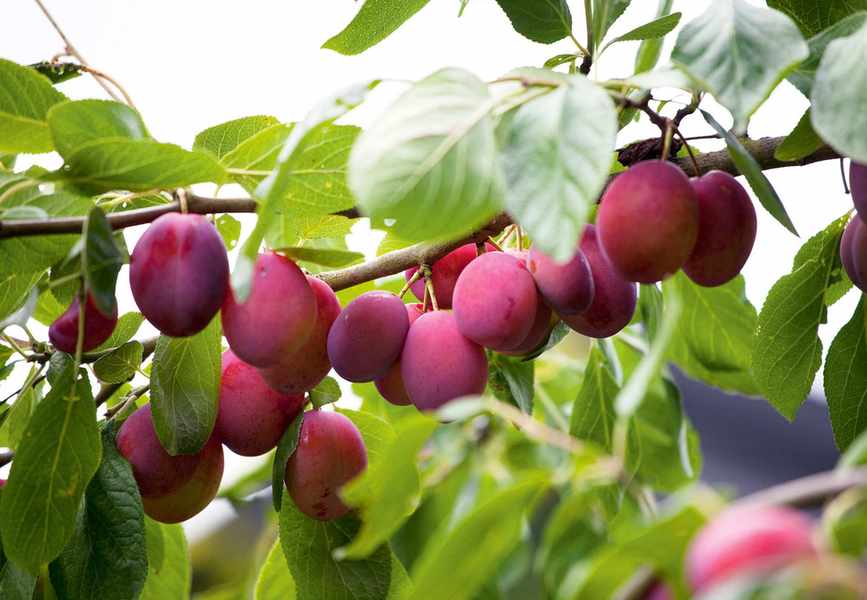
Step-by-Step Guide to Planting Fruit Trees
"Planting fruit trees is similar to planting any other type of tree," says Lisa Tadewaldt, an arborist and owner of Urban Forest Pro. "However, getting the process right is key to ensuring the tree thrives and produces plenty of fruit."
Keep in mind that different fruit trees have unique requirements; for instance, the planting process may vary slightly between an apple tree and other varieties, so always refer to the specific instructions provided with your tree.
- Begin by loosening the soil in your selected area and clearing away any large stones. "Avoid heavily amending the soil, as you want the tree to adapt to the existing conditions instead of creating a nutrient-rich environment that might hinder root development," Tadewaldt suggests. "A light mixing is acceptable, but ensure the majority of the soil remains local to the site."
- Using the pot as a reference, dig a hole for your tree. "When preparing the hole for your fruit trees, aim for a saucer shape rather than a cylinder," recommends Christy Wilhelmi, author of Grow Your Own Mini Fruit Garden. "The bottom should be as deep as the soil root ball, and the diameter should be at least 3-5 feet wide, gently sloping from the surface to the base."
- Carefully remove the tree from its container. "Use a shovel to scratch the sides of the root wad about 1-2 inches deep," Tadewaldt advises. "You can also use your fingers to loosen the outer layer of soil. Bare-root trees will have no soil around them."
- Position the tree in the hole you've prepared. "Follow the planting guidelines to ensure the sapling is planted at the correct depth," Smith states. "Never bury the graft union, which is a raised bulge that must remain above the soil line when planted."
- "If it's a single graft, orient the graft to the north. For multi-graft trees, place the smallest graft or scion facing south," suggests Suzanne Fellows from Peaceful Valley Farm and Garden Supply.
- "Fill the hole with the soil you removed, compacting it around the trunk while keeping the tree upright," advises Tammy Sons from Tennessee Nursery.
- Staking your tree is crucial to protect it from wind damage. There are various methods, but the most common is to place a stake before filling the hole with soil. The stake should reach about a third of the tree's height.
- If training your fruit tree as an espalier or cordon, set up your trellis at this point. Explore various vegetable garden trellis ideas to find the perfect fit.
- Water your tree thoroughly and continue with regular watering until it is established.
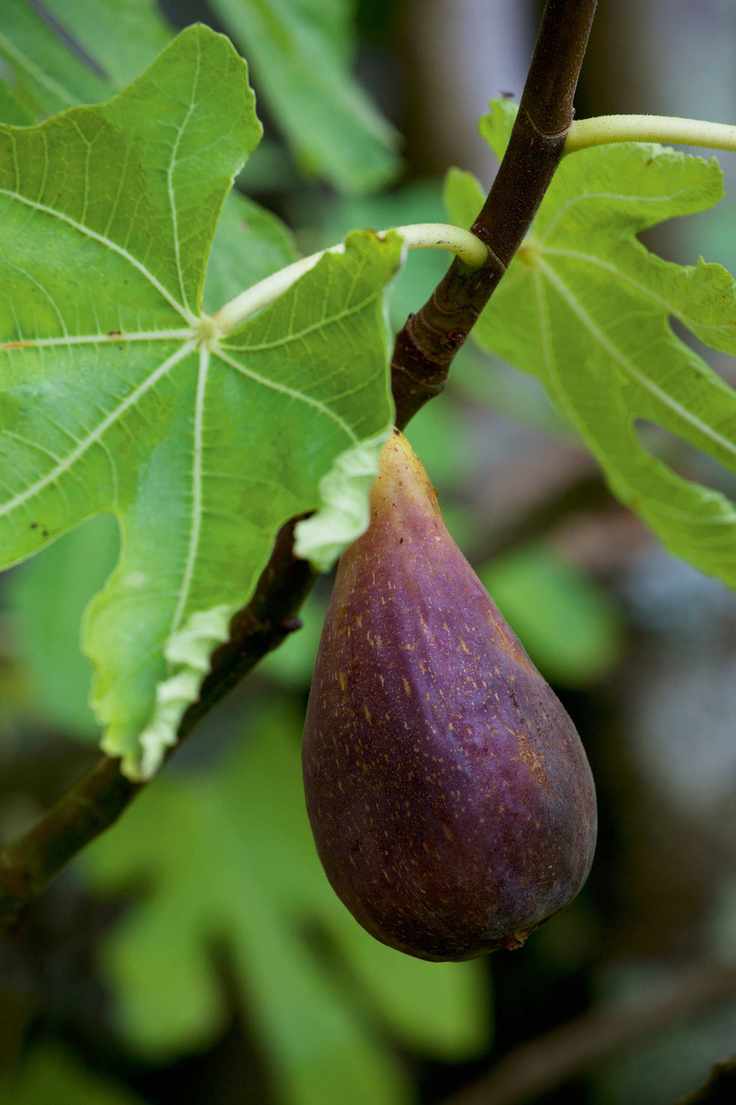
Optimal Locations for Planting Fruit Trees
The ideal spot for your fruit trees depends on their specific light and shelter needs. However, most varieties thrive in full sun. "Fruit trees should receive at least eight hours of direct sunlight each day," says Fellows.
Generally, the best location for fruit trees is a sunny, protected area with well-drained soil that is neutral to slightly acidic. They do not do well in highly alkaline soils, according to gardening expert Leigh Clapp.
Consider how the placement of your fruit trees may impact garden upkeep. "Choose a location that allows the trees to grow and produce fruit without creating excessive mess around your home," Smith adds.
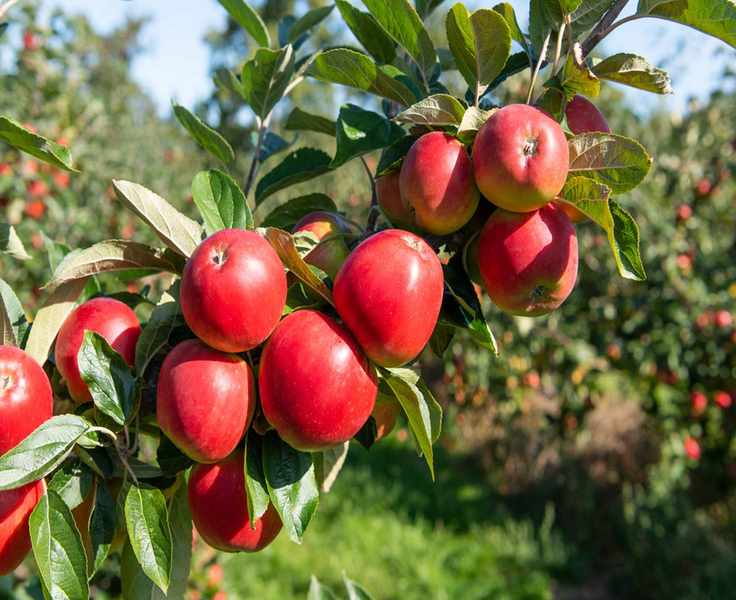
Timing for Planting Fruit Trees
The best time to plant fruit trees is during their winter dormancy.
"Bare-root trees should be planted from November to early spring, while container-grown plants can be planted year-round, though winter is preferable," Clapp advises.
Winter is also the most economical time to plant. "You can find winter bare-root fruit trees at less than half the price of spring container-grown varieties," notes Clive Harris, founder of DIY Garden.
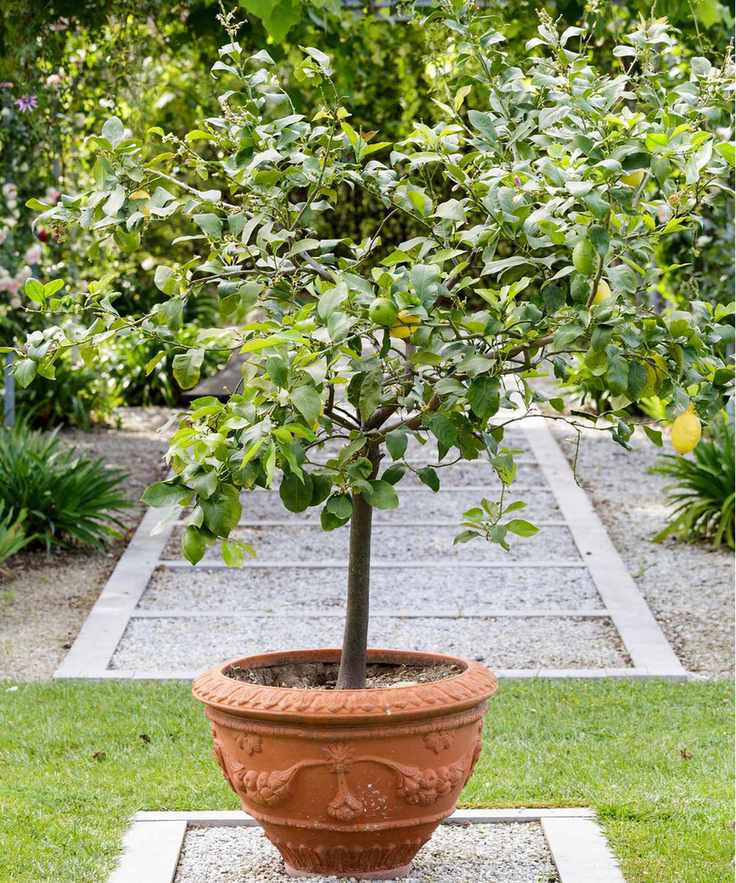
Container Planting for Fruit Trees
Dwarf fruit trees are excellent options for container gardening and can enhance small spaces like patios or balconies.
"The size of the container is crucial for container-grown fruit trees," Harris emphasizes.
"Opt for the largest container you can afford and plant your bare-root tree during winter, using plenty of organic mulch and a handful of garden soil to introduce beneficial bacteria and earthworms."
When planting in pots, it's vital to stake the trees to protect them from strong winds. Most fruit trees should be positioned in a sheltered area with full sun, but always check the specific needs of your tree.
"Regular watering and feeding are critical for container-grown fruit trees in spring and summer, as dry conditions can cause them to drop their blossoms to survive," Harris adds. "Check them daily and provide a weekly dose of specialized fruit tree fertilizer."
Preparing the Soil for Planting Fruit Trees
To prepare your soil for planting fruit trees, you should first assess the pH level. "You can do this with a home test kit or by sending a soil sample to a local university for laboratory analysis," suggests Alison Hilton, a plants and trees expert.
"Ideally, you should choose fruit trees that match your soil's natural pH, but minor amendments can be made using lime or acidifiers. For example, apple trees thrive at a pH of 5.5-6.5, while plum trees prefer 6.0-8.8. Getting the pH right will reward you each season."
While slight pH adjustments are feasible, if your soil type is entirely unsuitable for the tree, consider selecting a dwarf variety that can thrive in a container.
It's also beneficial to enrich the soil with compost to provide essential nutrients. "Instead of just filling the hole with potting soil or compost, amend the entire soil area with compost," advises Wilhelmi. "This encourages tree roots to spread into the existing soil rather than circling in the hole."
Spacing Requirements for Planting Fruit Trees
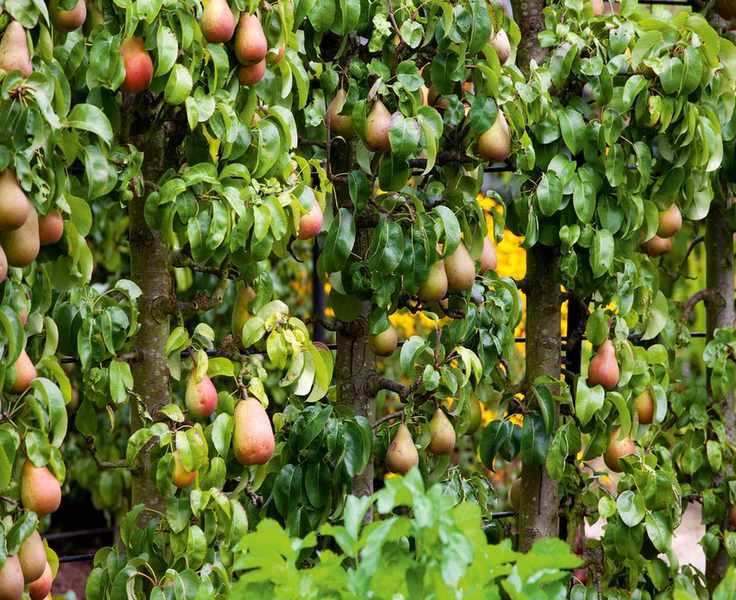
How far apart to plant fruit trees depends on whether they are being trained to grow on a trellis or if they require cross-pollination.
"Fruit trees should not be crowded together to prevent root competition and to ensure light reaches the ground," Clapp explains.
"Generally, maintain a distance of about 10-30 feet between trees. Allow at least 6 feet for espaliers and 2 feet for cordons."
Companion Planting for Fruit Trees
Choosing which fruit trees to plant near one another largely depends on their pollination needs. If a tree requires cross-pollination, you'll need at least two varieties nearby.
"Self-fertile trees don't need another tree for pollination to produce fruit, but those that require pollination will need a companion tree," Clapp elaborates.
For instance, when growing apples, a crab apple tree can effectively pollinate many varieties.
Caring for Your Fruit Trees
Proper care is essential once your fruit trees are planted.
Initially, ensure your newly planted tree is well-watered until it establishes itself. "Irrigate thoroughly for the first week, watering once daily," advises Sons.
Review the specific fertilization needs for your particular fruit tree to determine if it requires any special feeding.
Many fruit trees benefit from an annual mulch. "When mulching around the tree, ensure the mulch does not touch the trunk," Fellows cautions.
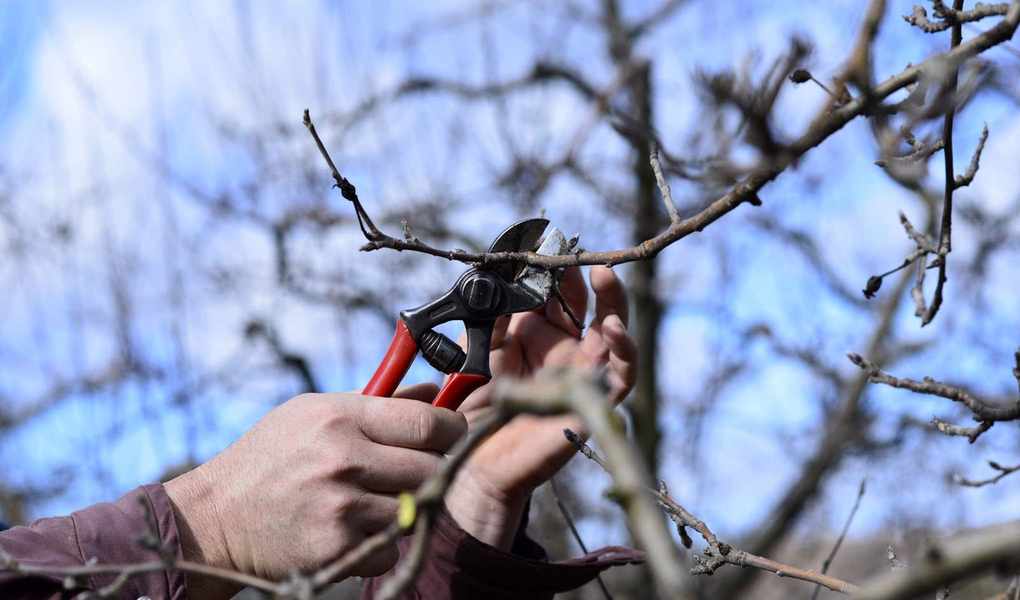
Major pruning should be done in winter while the tree is dormant and leafless, allowing you to assess its overall shape effectively.
Spring and summer pruning can also help manage excessive growth and aid in training the tree.