
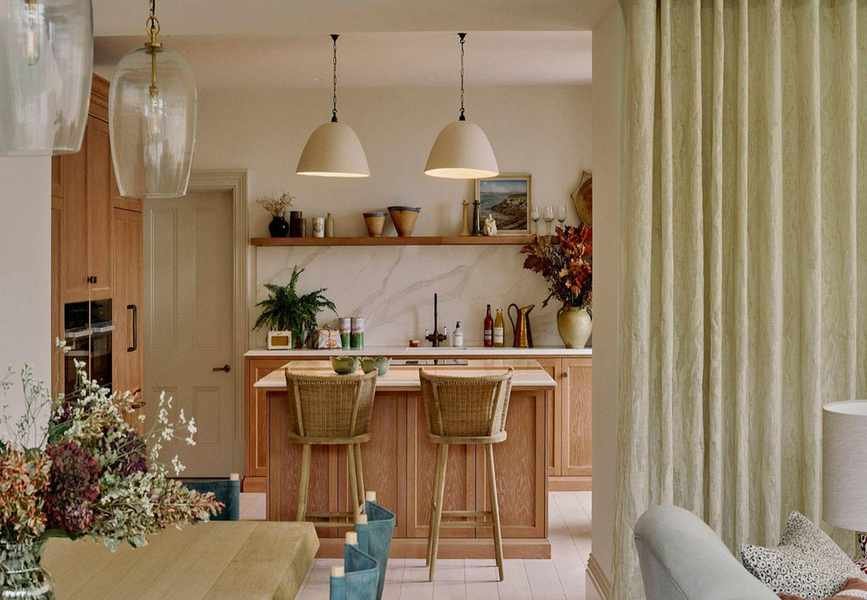
The traditional kitchen triangle has served as a foundational concept in kitchen design for years, helping to create layouts that optimize functionality and movement. However, as we approach 2026, experts suggest that zoning may provide a more effective way to configure your kitchen space.
A well-designed kitchen should cater to your specific usage patterns, and the kitchen triangle can sometimes restrict flexibility. Zoning allows for a more personalized arrangement, creating distinct areas that simplify daily tasks.
In this guide, we'll explore everything you need to know about kitchen zoning, its functionality, and practical tips for integrating this concept into your own kitchen. Plus, it's easier than you might think!
Understanding Kitchen Zoning

Kitchen zoning involves establishing specific areas dedicated to different functions within the space. While it still incorporates the kitchen triangle to some extent, zoning expands on this by including dining areas, storage solutions, and specialized stations—like a coffee nook or a breakfast bar—that align with your lifestyle.
This trend towards personalized kitchen designs is influenced by current kitchen trends that emphasize more social and inviting cooking spaces. Heather French from French & French Interiors notes, 'A zoned kitchen typically requires more space, which is becoming increasingly common. Rather than the open concept, kitchens are evolving into fully enclosed spaces. This allows for various zones, such as a breakfast nook or a dedicated coffee area.'
The beauty of this approach lies in its customization potential. 'You can create distinct zones for pantry and fridge storage, meal prep, cleaning, cooking, and even a bar for entertaining. This enhances flow and flexibility, making it easier for multiple people to use the kitchen simultaneously, which is especially beneficial for large families,' she explains.
Interior designer Allison Lind adds, 'Each kitchen design reflects the unique needs of each client. Zoning acknowledges the individuality of those using the space.'
How Zoning Differs from the Kitchen Triangle

While the kitchen triangle remains relevant in design—serving as the foundational principles of layout—zoning takes this concept further. It considers unique features that enhance a kitchen's functionality.
According to interior designer Lauren Gilberthorpe, 'The kitchen triangle was developed in an era when kitchens were primarily functional, often designed for one person and focused solely on efficiency. It emphasizes the relationship between the sink, stove, and fridge to minimize movement.'
In contrast, zoning reflects contemporary kitchen usage. 'Instead of a single workflow, zoning recognizes multiple activities occurring simultaneously—cooking, prepping, entertaining, and family gatherings. It transforms the kitchen into a layered, sociable area rather than just a functional space,' she elaborates.
This distinction is crucial: today's kitchens serve many purposes, so designing a layout that focuses solely on appliance placement limits functionality. Zoning considers the diverse uses of kitchen space.
Tom Wicksteed, co-owner and director of 202 Design, explains, 'Zoning views the kitchen as a lived-in area, breaking it into functional zones for cooking, prep, cleaning, storage, dining, and socializing. This approach is less rigid, reflecting modern living styles.'
Implementing Kitchen Zoning
The way you zone your kitchen should reflect how you utilize the space. Here are some steps to help you create a layout that promotes optimal flow, functionality, and style.
'Effective zoning starts with understanding your lifestyle and how you want your kitchen to feel. We often designate distinct yet visually connected areas for prep, cooking, cleaning, and storage, using islands, material changes, lighting, or rugs to define each zone,' Lauren advises.
'Incorporating softer elements like seating, open shelving, or furniture-style pieces helps the kitchen feel more welcoming and less utilitarian. When done correctly, zoning creates a kitchen that functions beautifully while remaining a true part of the home.'
1. Prioritize Storage Solutions

Storage is a crucial aspect of any kitchen design. Ensuring you have enough and the right type of storage significantly impacts your layout. Consider whether you will rely solely on cabinetry or include additional storage options like a pantry or back kitchen.
'Zoning provides flexibility and a sense of ease, allowing for more contained working areas alongside open, inviting spaces. It supports secondary areas like sculleries, pantries, or utility zones, which keep the more functional elements out of sight,' Lauren adds.
This is the moment to tailor your storage to your specific needs. Think about incorporating spice racks near the stove, dedicated drawers for home-grown produce, and inserts for cutlery and cookware.
2. Designate Cooking Zones

Setting up your cooking space allows for flexibility while still respecting the kitchen triangle. 'I still believe in the kitchen triangle concept. Keeping the fridge, sink, and stove close together is essential for efficiency. However, you can also spread them out, as we've done in our kitchen, which enables zoning to work effectively,' Heather explains.
Make sure these three main appliances remain within easy reach to streamline cooking, but you don't have to adhere to the strict measurements of traditional kitchen design. Evaluate how you use your kitchen to position the appliances and features that are essential for your workflow.
'Plan your kitchen layout to enable daily activities, but don't stray too far from the triangle principle—walking to the fridge while cooking shouldn't feel like a marathon,' advises Amber Guyton from Blessed Little Bungalow.
3. Optimize Cleaning Areas

Creating functional cleaning areas is just as vital as designing the cooking zones. Consider the dishwasher, sink size, and cleaning supply storage.
Effective layouts include a kitchen sink that is large enough for washing produce and cleaning large pots and pans. Positioning your dishwasher next to the sink makes rinsing and loading dirty dishes convenient.
To optimize cleaning storage, utilize the often awkward space beneath your sink. This placement makes sense as it keeps cleaning supplies close to the sink while ensuring no chemicals are stored near food items.
4. Plan for Counter and Prep Space

Countertops play a pivotal role in zoning your kitchen layout. They serve multiple purposes, including prep space, dining areas, and storage.
'Simplicity is crucial. Good zoning begins with solid fundamentals: a clear layout, intuitive flow, and well-thought-out cabinetry details. Zones should feel organic rather than forced, for instance, keeping prep areas close to storage, cooking zones separate from social spaces, and practical utility areas subtly integrated,' says Tom.
Think about your food prep and cooking routines. Create a prep zone adjacent to the cooktop for easy transition between the two. This is also a great opportunity to position your trash bins—installing them under the prep area simplifies waste disposal and maintains a clean aesthetic.
'The goal is a visually calm and functionally clear kitchen, avoiding overly defined or gimmicky divisions. When executed well, zoning results in a kitchen that feels balanced, timeless, and easy to navigate,' Tom concludes.
5. Include Dining and Social Spaces
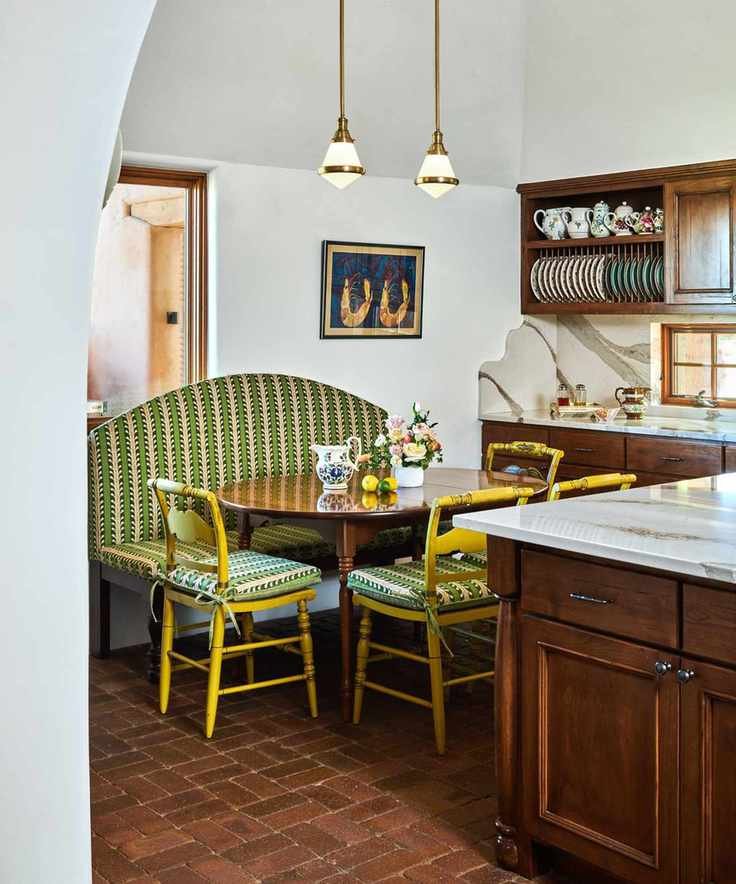
Zoning shines in its ability to accommodate cozy dining areas and social interaction, which the traditional triangle overlooks.
'Zoning allows for adequate space to accommodate various occupants in the kitchen. Many families now dine in the kitchen as often as in the dining room, so zoning provides the room to do so without crowding the counters,' Amber explains.
To create a dining zone, a classic dining table and chairs are an obvious choice; however, banquettes can be an equally charming solution, especially in smaller kitchens, as they foster a connection between zones.
Heather adds, 'I truly value having a banquette or a breakfast nook in the kitchen. It promotes connection. Someone can chop vegetables while another cooks, allowing for conversation and bonding. This type of interaction is something zoning truly enhances, unlike the traditional triangle.'
6. Create Personalized Stations

One of the most exciting aspects of kitchen zoning is introducing personalized features and dedicated stations that suit your needs. Whether it's a coffee corner, a home bar, or a baking station, these additions enhance your kitchen experience.
'It ultimately depends on your daily routine. If you have children and busy mornings, consider designing a breakfast area with a toaster oven for quick meals,' Heather suggests.
'It's essential to think about the efficiency of the experience alongside functionality. The kitchen triangle is excellent for evening cooking, but zoning enables you to design a kitchen that caters to your daily activities throughout the day.'
Where you place these stations will influence your layout, so consider your kitchen's flow when integrating them. For instance, a coffee station should ideally be located near a dining nook or island seating for optimal enjoyment. Similarly, a breakfast bar should be integrated with other zones to enhance daily functionality.
'Think about your family's daily activities and prioritize accordingly,' Amber agrees. 'For me, a coffee station is essential—not just a habit but a lifestyle choice. Therefore, allocating space for that daily routine is more important than the proximity of the stove to the sink.'
Kitchen zoning emphasizes crafting a layout that is not only functional but also personalized. It enhances flow to reflect how you actually use your kitchen—whether that's blending cooking with dining or creating zones that accommodate your favorite activities. While the kitchen triangle still has its merits, zoning encourages a broader perspective on kitchen design beyond just appliance placement.


