Walk-in closets offer a perfect blend of organization and luxury, providing ample space for clothing and accessories while enhancing the home. They make it easy to browse and store items in a well-lit environment, maximizing every inch for functionality.
A dedicated walk-in area enables the main bedroom to remain a serene retreat, free from clutter.
Walk-in Closet Designs
Here, we gather insights from top designers and furniture experts on ideal locations, essential design elements, and innovative concepts for your walk-in closet.
1. Illuminate Windowless Spaces

Windowless walk-in closets can feel cramped. “Effective lighting and reflective surfaces are crucial,” suggests an expert from a luxury wardrobe firm. “Incorporate warm LEDs and mirrors to enhance brightness and depth.”
2. Choose Textured Finishes
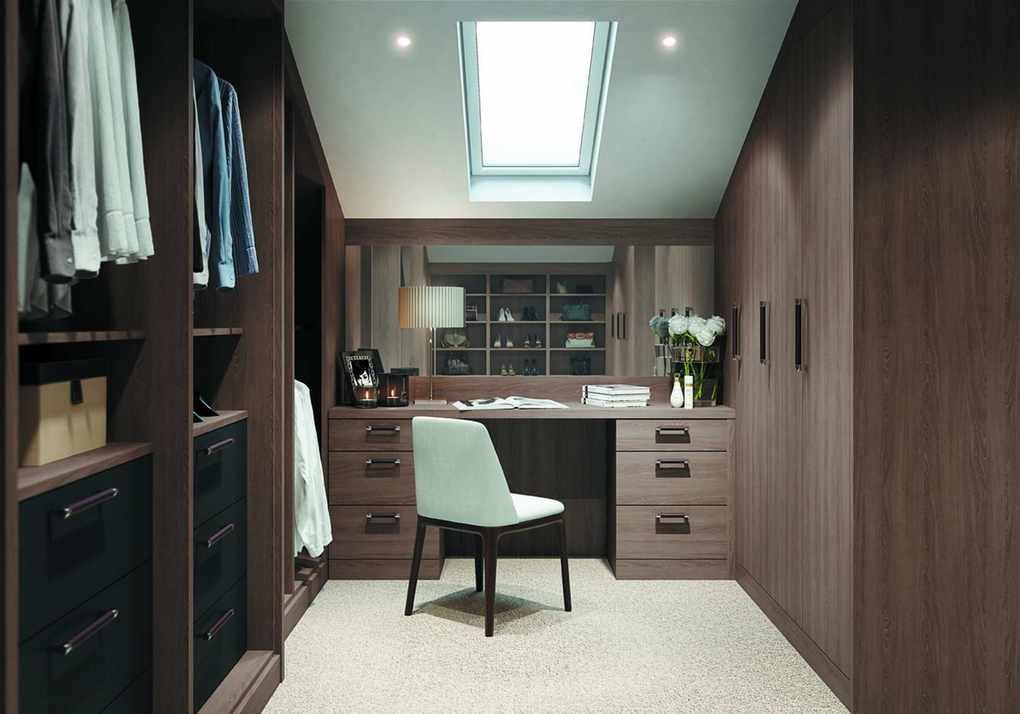
Opt for finishes that exude character. “Rustic designs combined with modern lines create warmth,” advises a furniture director, highlighting gray oak and blonde wood for richness.
3. Incorporate Decorative Elements

Add flair to your closet with stylish details. Wallpaper and decorative shelving can enhance the aesthetic while ensuring easy access to high storage areas.
4. Amplify Small Spaces

Strategically placed mirrors can create a feeling of expansiveness. They focus attention on favorite items like shoes or bags while enhancing light.
5. Create a Boutique Atmosphere

Consider both open and closed storage options. Glass doors provide visibility while keeping items dust-free, creating a luxurious shopping experience at home.
6. Assess Space Requirements

For smaller rooms, a single run of wardrobes is feasible. A width of at least 1.3m is ideal for comfortable access and functionality.
7. Divide a Larger Bedroom
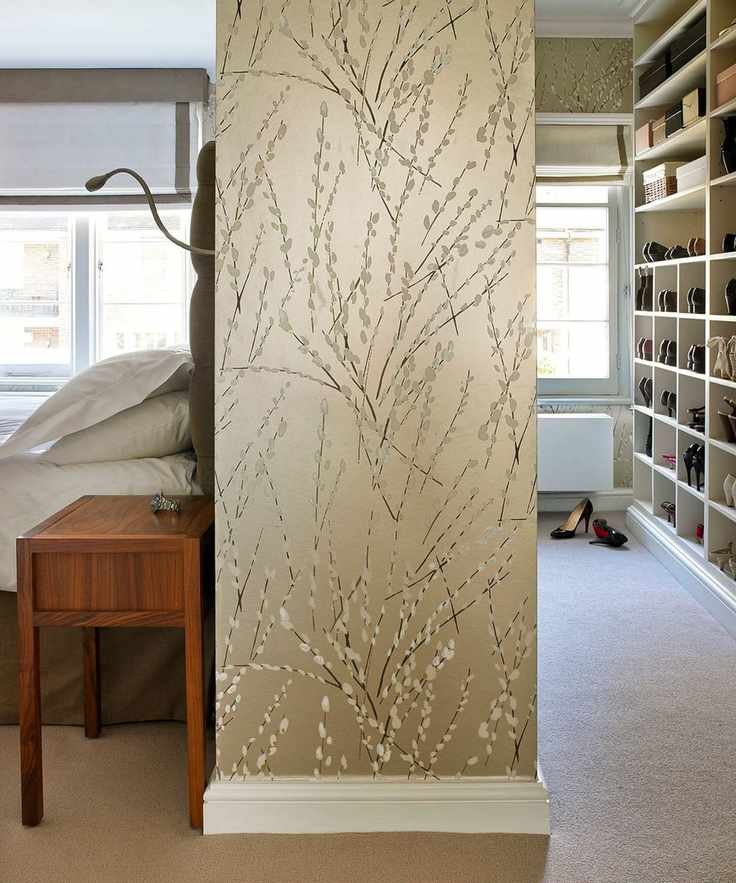
Interior design by Clare Gaskin
Use partitions to create a dedicated walk-in area in spacious bedrooms. This layout can effectively incorporate natural light for a more inviting atmosphere.
8. Convert an Extra Bedroom

Project by HÁM Interiors
Transform an unused guest room into a luxurious dressing room, ensuring direct access from the main bedroom for privacy and convenience.
9. Design for Attic Spaces

Project by Sims Hilditch
In attic bedrooms, innovative storage solutions are essential due to sloped ceilings. Custom joinery can effectively utilize these unique spaces.
10. Integrate a Closet in the Bathroom
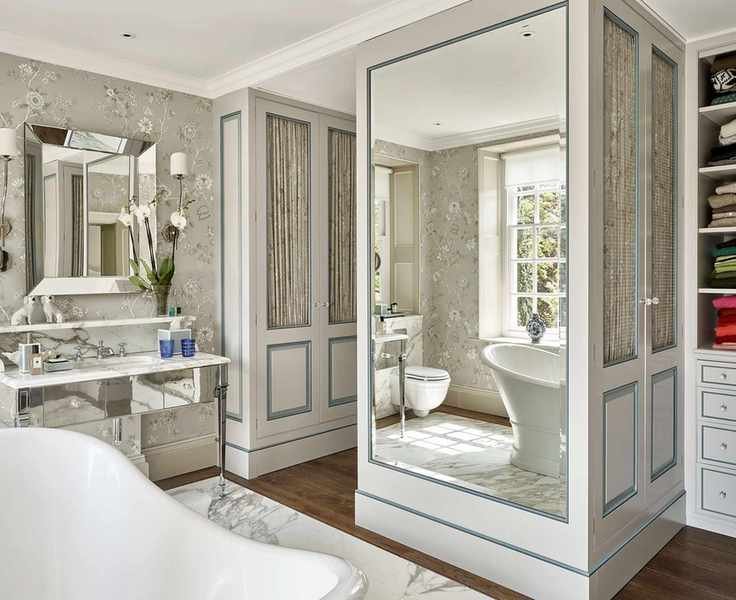
Design by Joanna Wood
Creating access to a walk-in wardrobe from the bathroom can improve functionality and enhance the dressing experience.
11. Communicate with Your Designer

Work with a furniture expert to ensure your design meets all storage needs. Outline your preferences clearly to create a custom solution.
12. Consider Architectural Elements

Incorporate your home’s architectural features into the design of the closet to ensure it feels cohesive and well-integrated.
13. Optimize Internal Storage

Custom storage solutions maximize space. Consider features like roll-out trays and adjustable hanging options for versatility.
- Shoe trays for easy access and display.
- Baize-lined drawers for jewelry storage.
- Full-length mirrors on door interiors.
- Adjustable hanging systems for future needs.
14. Blend Fitted and Freestanding Pieces

Design by Jonathan Rachman
Incorporate freestanding furniture to add warmth and avoid a sterile look. Consider flow and functionality when adding these elements.
15. Include a Dressing Table

Design by Lauren de Loach
A well-placed dressing table offers a luxurious spot for grooming. Consider both freestanding and built-in options to suit your style.
16. Maximize Natural Light

Project by Garry Meakins
In windowless spaces, prioritize lighting. Use internal glass panels to enhance daylight flow while maintaining privacy.
17. Plan Lighting Thoughtfully

Project by Sims Hilditch
A well-lit dressing area is essential. Combine different light sources for versatility and ambiance.
18. Add a Refreshment Station

Project by Gunter & Co
Create a cozy atmosphere by including a small bar or tea station in your dressing area for added comfort during your routine.
19. Use Textiles for Softness

Project by HÁM Interiors
Soft fabrics can balance hard surfaces in your closet design. Consider incorporating curtains to add warmth and depth.
20. Add Decorative Touches

Design by Jonathan Rachman
Once practical elements are in place, focus on colors and finishes that tell a story, blending classic and modern styles.
21. Incorporate Mirrors

Project by Sims Hilditch
Full-length mirrors are essential for any dressing space. Ensure proper positioning for optimal reflections and light enhancement.
22. Design Open-Plan Flow

Project by Lisa Burdus
This master suite features an open layout, seamlessly connecting the bedroom, bathroom, and dressing area for a cohesive look.
Are Walk-in Closets Worth It?
Investing in a walk-in closet can enhance your home’s appeal. They are increasingly sought after and can significantly elevate property value.
“The master suite and kitchen are key selling points,” says a real estate expert. “Walk-in wardrobes have become more desirable, reflecting lifestyle changes and increased focus on home comfort.”
What Can You Do with an Empty Walk-in Closet?
An empty walk-in closet can serve many purposes, from a cozy reading nook to a craft space. Ensure there’s adequate lighting and electrical outlets for functionality.