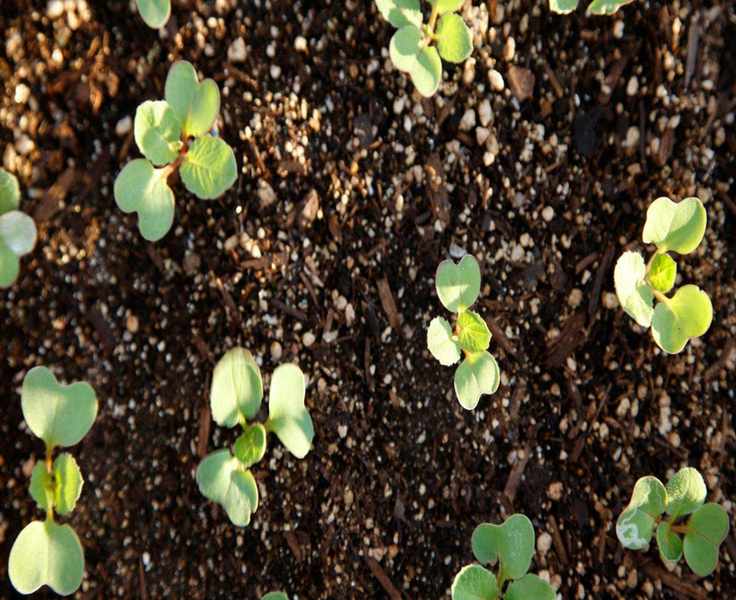
As spring arrives, many of us feel invigorated to tend to our gardens. A popular additive among gardening enthusiasts is vermiculite. But what exactly is it, and how should it be utilized for optimal plant growth?
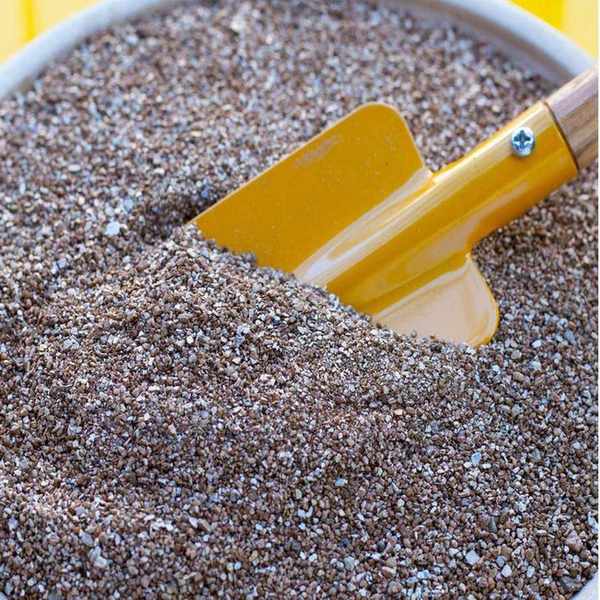
Vermiculite is a mined mineral found in the US, presented in bags resembling light brown, flaky cereal. It plays a vital role in soil health.
This mineral excels in retaining moisture and attracting essential nutrients, making it a great peat alternative.
There are several methods to incorporate vermiculite for healthier plants. Below, we share expert insights on its best uses.
Benefits of Using Vermiculite in Your Garden
“I utilize vermiculite for its lightweight nature, aiding in water and nutrient retention while promoting root aeration. It’s excellent as a compost substitute or mixed with compost for seed covering,” explains gardening expert Ruth Hayes.

Ruth Hayes is an experienced gardening editor. With a qualification from the Royal Horticultural Society, she matches gardening tasks with the seasons and tests various new gardening products.
Application Techniques for Vermiculite
Aeration
“Vermiculite comes in various grades, from fine for seed trays to larger flakes for pots, enhancing aeration,” states Drew Swainston, a gardening expert.
Water Retention
“This mineral excels at moisture retention, which is crucial for keeping newly sown seeds hydrated,” shares Holly Crossley, Senior Content Editor. “Mix it with seed-starting compost at a 50:50 ratio or lightly cover the seeds with it.”
“In container gardening, adding vermiculite boosts water retention while improving drainage,” adds Drew Swainston.
Light Circulation
“After sowing and lightly watering seeds, cover them as per the packet instructions. Use compost, vermiculite, or a mix, as it facilitates light, air, and water flow around seeds and roots,” advises Ruth Hayes.
Peat Substitute
An unusual tip came from a reader who shared: “For over 50 years, I've used horticultural vermiculite instead of peat. It’s sterile, moisture-retaining, and can be mixed with quality soil or used alone with diluted plant food. It's affordable and reusable, perfect for root cuttings.”
For Indoor Plants
If you have thirsty indoor plants, vermiculite is beneficial. Mix it with houseplant compost to reduce watering frequency and maintain moisture release. It also enhances soil aeration for indoor plants.

Holly has experience as an allotment keeper and professional gardener. Now, she writes about outdoor living and plants, focusing on houseplants and garden design.
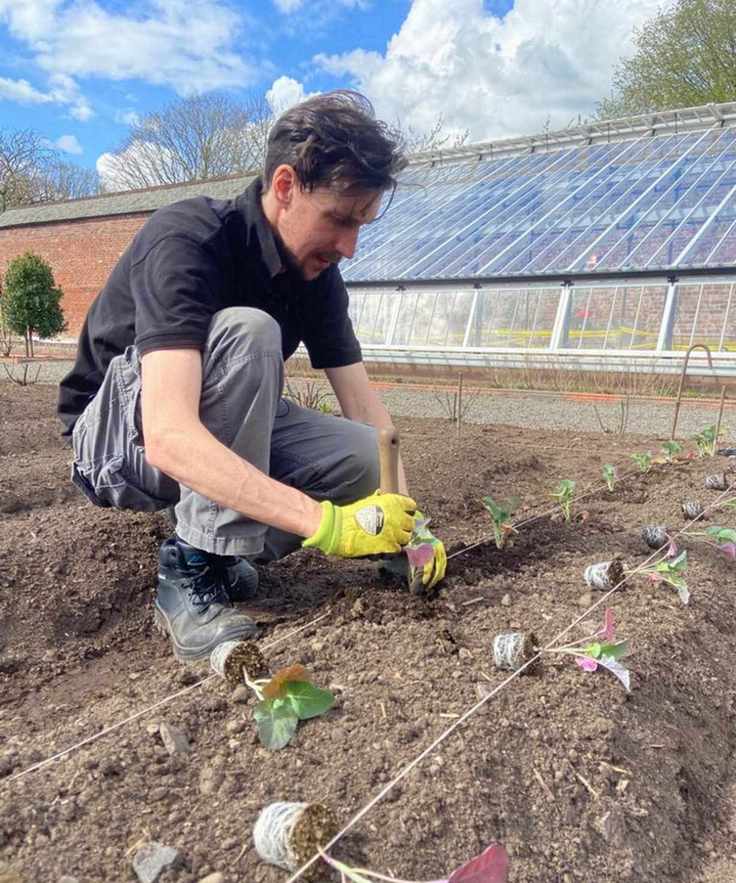
Drew has a background as a professional gardener and has experience maintaining historic gardens and growing vegetables for chefs.
Where to Purchase Vermiculite
You can find vermiculite in bags at garden centers and online retailers. Here are some trusted options:
- Shop for vermiculite on Amazon
- Purchase organic vermiculite from Burpee
- Buy vermiculite at Home Depot
- Order vermiculite at Walmart
Common Questions
Are vermiculite and perlite interchangeable?
No, they differ. Perlite consists of white granules for aeration, while vermiculite is used primarily for moisture retention. Mixing both can benefit plants needing good aeration and water retention.
Is vermiculite environmentally friendly?
Vermiculite is not considered eco-friendly, as it is a non-renewable resource.
It's essential to use vermiculite wisely, as excessive use may lead to overly wet soil conditions or potential bacterial issues. Always follow guidelines when using it to ensure your plants thrive.