Adult acne and signs of aging are frequently viewed as opposites in skincare. Many assume that acne is a teenage issue, while aging affects only older individuals. If you’re battling both fine lines and breakouts, you’re not alone—and it’s more common than you might think.
The Connection Between Adult Acne and Aging
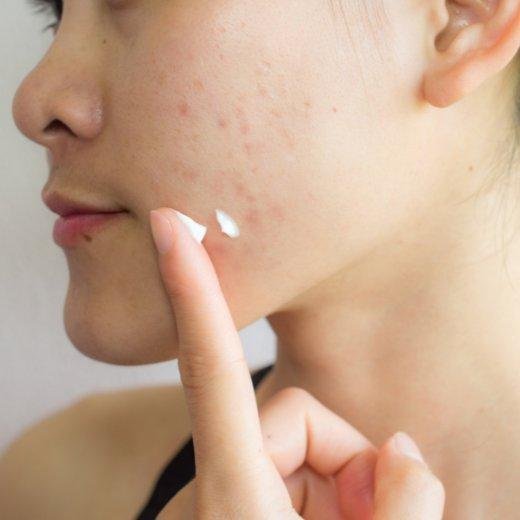
Clinically referred to as "post-adolescent acne," adult acne can manifest after age 25. It stems from the same culprits as teenage acne: excess oil (sebum), bacteria, clogged pores, and inflammation.
There’s a reason these two skin concerns often occur simultaneously. Various factors influence both aging and acne.
Hormonal Shifts
Hormones play a crucial role in many bodily functions, including oil production. Testosterone, a male hormone, can increase oil secretion. As women age, estrogen levels drop, disrupting the hormonal balance. This can lead to thicker, excess facial oil, which may trigger breakouts.
Stress Factors
Life brings unique stressors at every stage. As you age, responsibilities like childcare, retirement planning, and workplace changes can heighten stress levels. Unfortunately, stress contributes to both aging skin and adult acne.
Stress triggers inflammation throughout the body. While it may not directly cause acne, it can exacerbate existing breakouts and accelerate the aging process of your skin.
Impact of Smoking
Smoking negatively affects both aging and acne. It’s widely recognized that smoking accelerates facial aging, leading to quicker collagen breakdown, resulting in wrinkles and sagging skin. Lesser-known is that smoking may also heighten the risk of developing adult acne. While the precise reasons remain unclear, studies indicate a significant link between smoking and adult acne.
Makeup and Skincare Choices
It’s understandable to think skincare products are beneficial, but they can sometimes be detrimental.
Each person’s skin is unique, and a product that works wonders for one may irritate another’s skin, contributing to either acne or aging. Certain makeup and skincare items can clog pores or trigger inflammation, worsening both conditions. It’s essential to identify products suited for your skin to avoid these issues.
Strategies to Combat Adult Acne and Aging
Now that you understand why acne and wrinkles can coexist, here are actionable steps you can take.
Select Multi-Functional Skincare
Few products effectively address both acne and aging simultaneously. Many people create a regimen combining acne-targeting and anti-aging products. However, some exceptional options, like Jan Marini Age Intervention Duality, tackle both concerns in one formula.
Be Mindful in Your Purchases
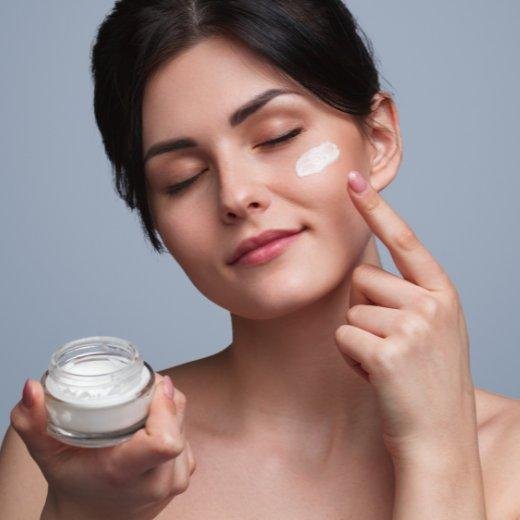
When seeking clearer and youthful-looking skin, it’s vital to be intentional about your product choices. Look for items labeled “non-comedogenic,” “oil-free,” and/or “acne-safe,” such as a non-comedogenic moisturizer.
Explore Hormonal Treatments
Hormones significantly impact both acne and aging, especially for women. Some may opt for hormone replacement therapy to manage declining estrogen levels, which can help improve skin clarity and alleviate other low estrogen symptoms. However, it’s crucial to discuss the benefits and potential side effects with your healthcare provider to make an informed decision based on your individual needs.
Personalized Skincare Solutions
Experiencing adult acne alongside aging skin is more common than many realize. If you’re facing both issues, the tips above can aid you in developing a skincare routine that meets your needs, helping you regain confidence in your skin.