Imagine stepping outside without foundation and feeling confident in your skin! While I can manage a quick trip to the store without makeup, I often avoid that self-checkout camera, knowing it reveals my uneven skin tone. Many people share this self-consciousness, often due to a condition called melasma.
What Is Melasma?
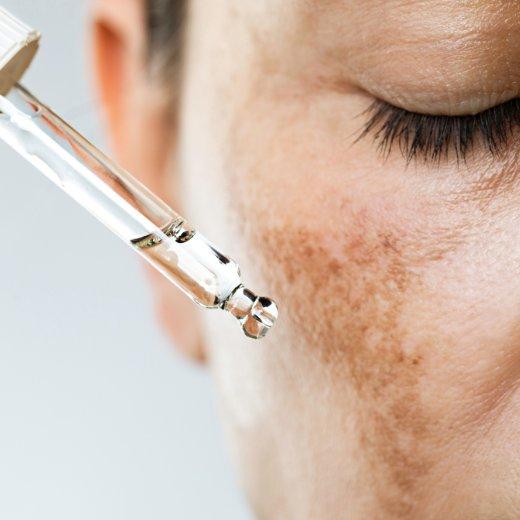
Melasma is a prevalent skin condition that often goes unnoticed, as it skillfully blends in. This skin discoloration typically manifests as brown patches, resulting from hormonal changes. Our skin contains pigment-producing cells that give us our unique tones. When hormones fluctuate, these cells may produce excess pigment in certain areas. Sun exposure can further exacerbate this, leading to even more pigmentation.
Most commonly, melasma occurs during pregnancy, which is why it’s often referred to as “the mask of pregnancy.” It can also arise during other life phases, particularly with hormonal shifts like starting birth control.
What Does Melasma Look Like?
Melasma can easily resemble other types of hyperpigmentation such as freckles or age spots. It typically presents as darker patches on the skin, sometimes taking on a bluish-gray hue. Melasma primarily affects the face, particularly the forehead, cheeks, chin, and upper lip, but it can also appear on sun-exposed areas like the neck and arms.
Distinguishing melasma from age spots can be tricky. However, age spots tend to be smaller, while melasma often creates larger patches. Additionally, melasma appears symmetrically on both sides of the face, unlike age spots, which tend to develop individually.
Who Is Affected by Melasma?
While anyone can experience melasma, it predominantly affects women—about 90% of those diagnosed are female. It's also more common in women with medium to dark skin tones. The higher concentration of melanocytes in darker skin increases susceptibility to melasma and other forms of hyperpigmentation.
Surprisingly, melasma is quite common, although it isn’t widely discussed. Research indicates that between 1.5% and 33% of individuals may experience it at some point, with estimates of 15% to 50% among pregnant individuals.
Should I Be Concerned If I Have Melasma?
Learning about melasma might provoke concern, but there's no need to worry; it’s not harmful. Melasma is primarily a cosmetic issue and not indicative of any underlying health problems.
Does Melasma Result from Sun Exposure?
Typically, brown spots arise from sun exposure, as the body produces extra pigment to protect against damage. While melasma isn’t directly caused by the sun, UV exposure can darken the spots. Many notice that their melasma is more pronounced during summer and fades in winter. If you suspect you have melasma, be diligent about sun protection.
How Can You Treat Melasma?
Now that you’re informed about melasma and its triggers, let’s explore treatment options.
If your melasma developed during pregnancy, it might resolve on its own after childbirth, so you may not need treatment right away. Some treatments aren't suitable for use during pregnancy, so it's wise to wait and observe.
For those not pregnant, there are numerous ways to alleviate melasma symptoms.
Topical Skin Care Products
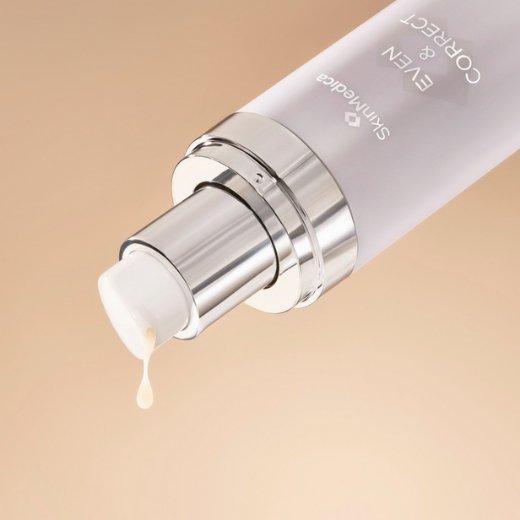
Melasma can be resistant to treatment, but specific products may help. For instance, SkinMedica Even Correct Advanced Brightening Treatment is clinically proven to assist with melasma and is easy to apply twice daily.
Another effective option is the iSClinical GeneXC Serum, which combines vitamin C with other powerful ingredients to address melasma while also countering signs of aging.
If you're looking for a comprehensive approach, consider the Osmosis Pigmentation Kit, a six-piece set tailored for treating pigmentation issues, including cleansers and specialized serums.
Remember, these products are generally intended for short-term use. If you don’t see improvement after 3-6 months, consult a dermatologist for alternative recommendations.
Professional Treatments
If over-the-counter products don’t work or you seek more intensive solutions, professional treatments like chemical peels or laser therapy can effectively reduce melasma. Keep in mind, results may vary based on individual skin types.
Embracing Your Skin with Melasma Care
While various treatments exist for melasma, it's important to remember that how you approach it is a personal choice. Your skin is unique, and melasma can simply be a part of your individual beauty. If you decide to manage your melasma, the suggestions provided can be beneficial.
And remember, sunscreen is your friend!