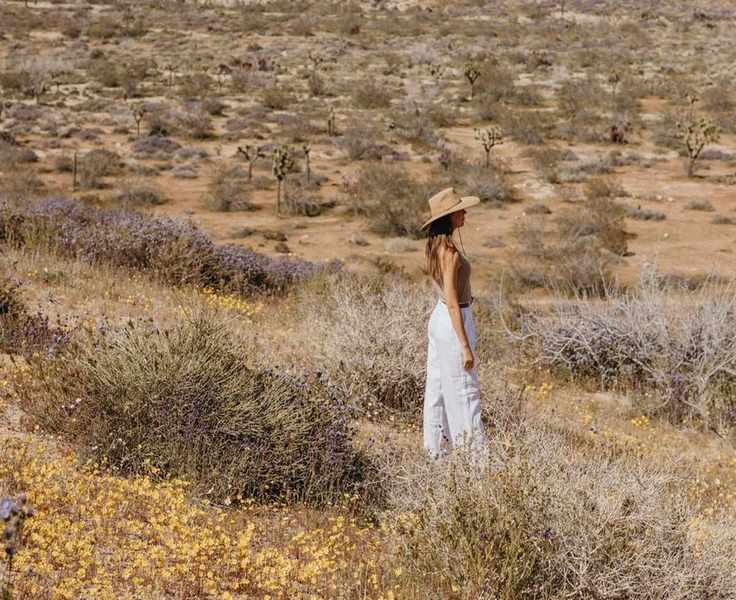
We often forget that walking serves a purpose beyond just getting from one place to another. Whether we're heading to a cafe, finishing an audiobook, or fitting in some movement between obligations, our walks tend to be goal-oriented. Even leisurely strolls are often paired with podcasts or fitness trackers, turning them into just another task. But what if we embraced walking as a form of therapy? Instead of focusing on metrics, we can learn to slow down, appreciate our surroundings, and reconnect with ourselves.
Walking has always been a part of my life. As a child, my mom would take my sisters and me on weekend hikes, long before we realized how precious those moments together were. Later, living in Paris, I spent countless afternoons meandering through the streets without a destination, purely for the joy of it. Then came the pandemic, turning those simple walks into essential lifelines, reminding me that life continued even when everything else felt halted.
While my wellness habits may ebb and flow, walking remains a constant source of freedom. There’s something liberating about engaging in an activity without a specific aim. A gentle walk through a neighborhood or along a quiet path allows me to notice the blooming flowers, feel the wind on my skin, and listen to the sounds around me. In a fast-paced world, these slow moments have become a way to find wholeness again.
Rethinking Our Approach to Movement
For years, the Hot Girl Walk has dominated our social media feeds with its energetic stride supported by empowerment and endorphins. While motivating, this trend can sometimes feel like just another item on our to-do list. When self-care turns into a task, it loses its restorative essence.
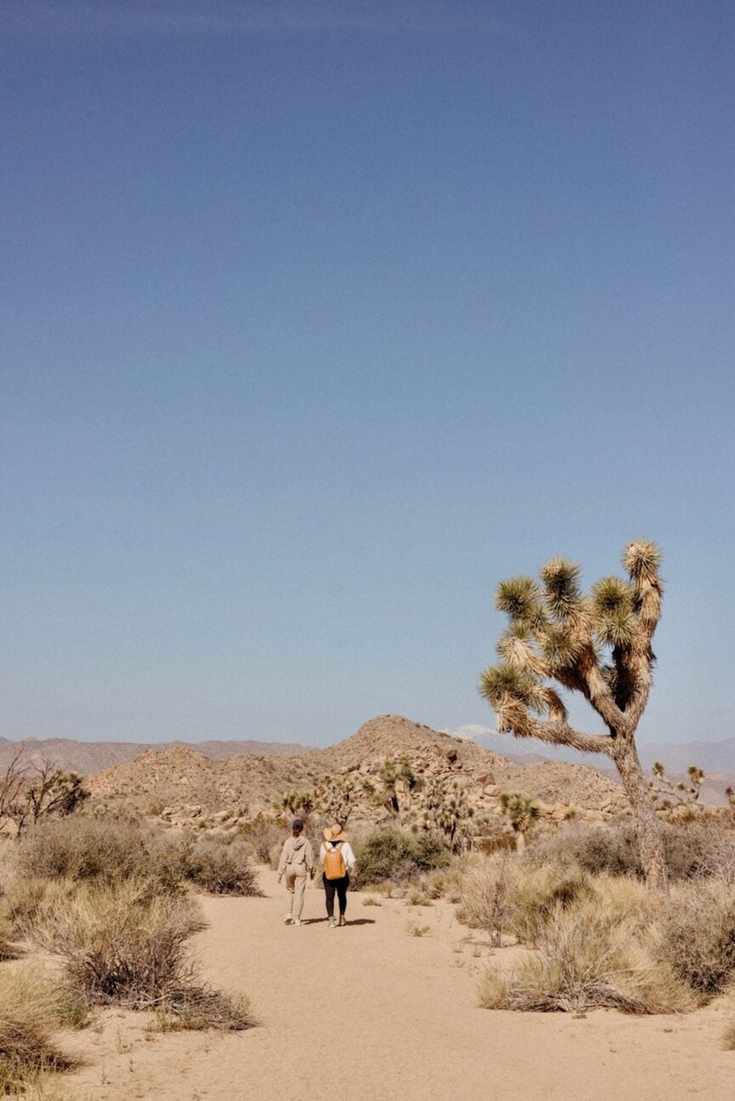
That’s where a gentler approach comes in—a soft and slow way to move that emphasizes the act of walking itself. This reflects a broader cultural shift towards finding beauty in everyday moments and reconnecting with our surroundings. Instead of rushing toward the next goal, we’re learning to reduce our pace and be present with ourselves.
Walking as a Mental Refresh
Walking has long been recognized as a remedy for a restless mind. Studies indicate that even short daily walks can alleviate anxiety and depression while helping to regulate the nervous system. True transformation happens when we release the need for speed and direction—shifting our focus from performance to presence. Here’s where walking for mental health thrives: not in the distance covered, but in the moments of awareness.
A slower pace allows the mind to breathe, welcoming thoughts without rushing past them. You give yourself the space to feel and reflect.
A 2019 study found that spending just 20 to 30 minutes outdoors—whether walking or sitting—can significantly lower cortisol levels, the body’s stress hormone. Researchers noted that the most substantial stress-relief effects appeared within this timeframe, with longer durations yielding less benefit.
With a slower walk, I often return home feeling lighter, my breath deeper—not from pushing myself but by allowing myself to take it easy. In a world that moves at breakneck speed, opting for a stroll becomes an act of quiet rebellion.
Movement as Mindfulness
Mindfulness doesn’t solely require stillness (trust me, a busy parent knows the value of “micro-moments”). Sometimes, it can be as simple as walking mindfully. A slow stroll provides a wonderful opportunity to reconnect with ourselves.
- Pay attention to your senses. Notice the warmth of the sun, the distant sounds of traffic, and the aroma of freshly cut grass.
- Leave your phone behind. Or at least tuck it away and resist the urge to document your journey.
- Follow your curiosity instead of a predetermined path. Explore a new street, stop to appreciate a tree, admire a garden, or pet a friendly cat you encounter.
These small adjustments create room for clarity, allowing you to feel without distractions. In this space, you might discover what often feels just out of reach: tranquility, insight, and a deeper connection to yourself. Mindful walking, in its simplicity, offers a gentle reminder to be present.
Walking for Inspiration and Creativity
Artists, writers, and thinkers have long embraced walking as a source of creativity. Virginia Woolf strolled through London to organize her thoughts. Thoreau found that walking sparked his best ideas. Even Steve Jobs frequently held walking meetings, believing movement could foster innovation. Something about being in motion, yet unconfined, opens the door for inspiration.
I’ve experienced this on many quiet walks. Just the other day, I stepped outside without my phone, hoping to clear the mental fog that had settled in. As I strolled, the gentle breeze steadied my breath, and amid blooming peonies, the idea I had been struggling with finally came to me—not through chasing it, but by making room for it.
In this way, walking for mental health transcends emotional regulation—it also nurtures creativity. It grants our thoughts space to develop, our feelings a chance to surface, and our minds a moment of openness. Often, it’s the simplest path back to ourselves.
Seasonal Walking: Let Nature Lead You
One of the most delightful aspects of walking slowly is how it encourages observation. The scent of jasmine in June, the slant of sunlight in late August, or the subtle hint of cooler days in the breeze. These details often go unnoticed when we’re in a hurry, yet they’re all around us, waiting to be acknowledged.
Letting nature mark your time can become a significant mental health practice, grounding you in something cyclical and reliable. Try walking during the golden hour of early summer, when everything shines softly. Or take a stroll on crisp October mornings, allowing the silence to feel full rather than empty. Each season has its offerings—your only task is to embrace them.
Establishing Your Own “No-Agenda Walk” Ritual
Consider this a ritual, not a routine. It’s a moment that demands nothing from you but an open heart.
- Leave your headphones behind
- Avoid planning your route
- Move at a slower pace than usual
- Allow yourself to pause, observe, sit, and breathe
There’s no incorrect way to wander. This time is yours to rediscover yourself—unhurried, unfiltered, and fully present.
A Softer Approach to Self-Care
There’s a certain strength in engaging in something simply because it brings joy. A walk without a destination, playlist, or productivity target might be the most radical form of relaxation. It serves as a reminder that we don’t always need to pursue or achieve—sometimes, we can just be.
By embracing walking as a means for mental health, we grant ourselves permission to soften, observe, and feel connected to the world around us. Often, the most impactful self-care is found in simplicity: a quiet stroll, deep breaths, and the choice to be fully present.
30 Simple Delights to Add to Your June Calendar