Nothing feels quite as good as wrapping yourself in a fresh bath towel. Soft and fluffy, they give you that spa-like feeling right at home.
However, after several washes, towels can become rough and stiff. This results from detergent and fabric softener buildup, which clogs the fibers. But it doesn't have to be this way!
A surprisingly easy remedy to rejuvenate your towels is a common kitchen item: vinegar. Below, experts share how to use white vinegar for laundry to achieve softer towels without unpleasant odors.
Washing Towels with Vinegar
Using vinegar (like Heinz All Natural Distilled White Vinegar) is an effective, budget-friendly choice. Its acetic acid properties help eliminate bacteria and viruses, while also deodorizing.
Vinegar not only cleans thoroughly but also enhances your detergent's effectiveness without leaving behind the water-repellent residues associated with fabric softeners. This is why fabric softener is not suitable for towels.
Importantly, vinegar effectively tackles detergent buildup, revitalizing your towel fibers.
Laundry expert Rechelle Balanzat, CEO of Juliette, explains, 'Over time, detergent and softeners accumulate in towels, reducing absorbency and softness. The acetic acid in vinegar breaks down these residues, restoring softness without buildup.'
Additionally, vinegar can dissolve hard water stains and mineral deposits. Here's how to wash your towels with vinegar in four easy steps.
Step 1: Replace Detergent with Vinegar

One of the best decisions for my laundry was to reduce detergent usage.
While essential for washing, I realized too much detergent could harm my linens and towels, leaving them rough and greasy. To begin, load your towels into the washer and skip the detergent.
If you're unsure where to add vinegar in the washer, Balanzat suggests, 'Pour one cup of white vinegar into the fabric softener compartment or directly into the drum.'
This amount should suffice for two to three large towels, but feel free to adjust as needed without worrying about damage.
Bestseller
Great Value Distilled White Vinegar, 64 Fl Oz
This vinegar has a 5% acidity, effective in breaking down residues while being gentle on fabrics.
Step 2: Launder Your Towels

Next, according to expert Alessandro Gazzo from Emily's Maids, select the hottest cycle for your washer and let the vinegar work its magic—no rinse needed.
'Vinegar pairs well with hot water for washing towels, as it effectively removes natural oils and sweat from the fabric while killing bacteria,' he notes. This is why you should always wash these items in hot water.
Similar to using lemon juice, vinegar can brighten dull towels, helping maintain their freshness and restoring dingy whites.
For frequency, Balanzat recommends washing towels every three to four uses to avoid bacteria, oils, and odors accumulating.
Step 3: Follow Up with Baking Soda

While vinegar effectively softens towels, it can occasionally leave a sour smell.
A great remedy is to wash the towels with baking soda after the vinegar cycle. Baking soda naturally deodorizes without leaving behind a scent or making towels stiff. Plus, it can serve as an optical brightener, enhancing whites and colors.
Balanzat advises, 'If your towels feel musty or stiff, run a second cycle with half a cup of baking soda. Add it directly to the drum and wash on hot without any detergent or vinegar.' This will help eliminate lingering odors and further soften the towels.
Although two laundry cycles may seem excessive, it's necessary. Mixing vinegar and baking soda in the washer can create a foamy mess. It's safer and more efficient to run two separate cycles.
You might also consider adding a linen spray to freshen up your bathroom for a spa-like touch.
Why not create DIY linen spray using essential oils like MAJESTIC PURE Lavender Essential Oil?
 Bestseller
ARM & HAMMER Pure Baking Soda
This versatile product has hundreds of uses, from deodorizing and cleaning to baking.
 #1 bestseller
Lavender Essential Oil
Pure and undiluted, this essential oil has a potent aroma and premium quality.
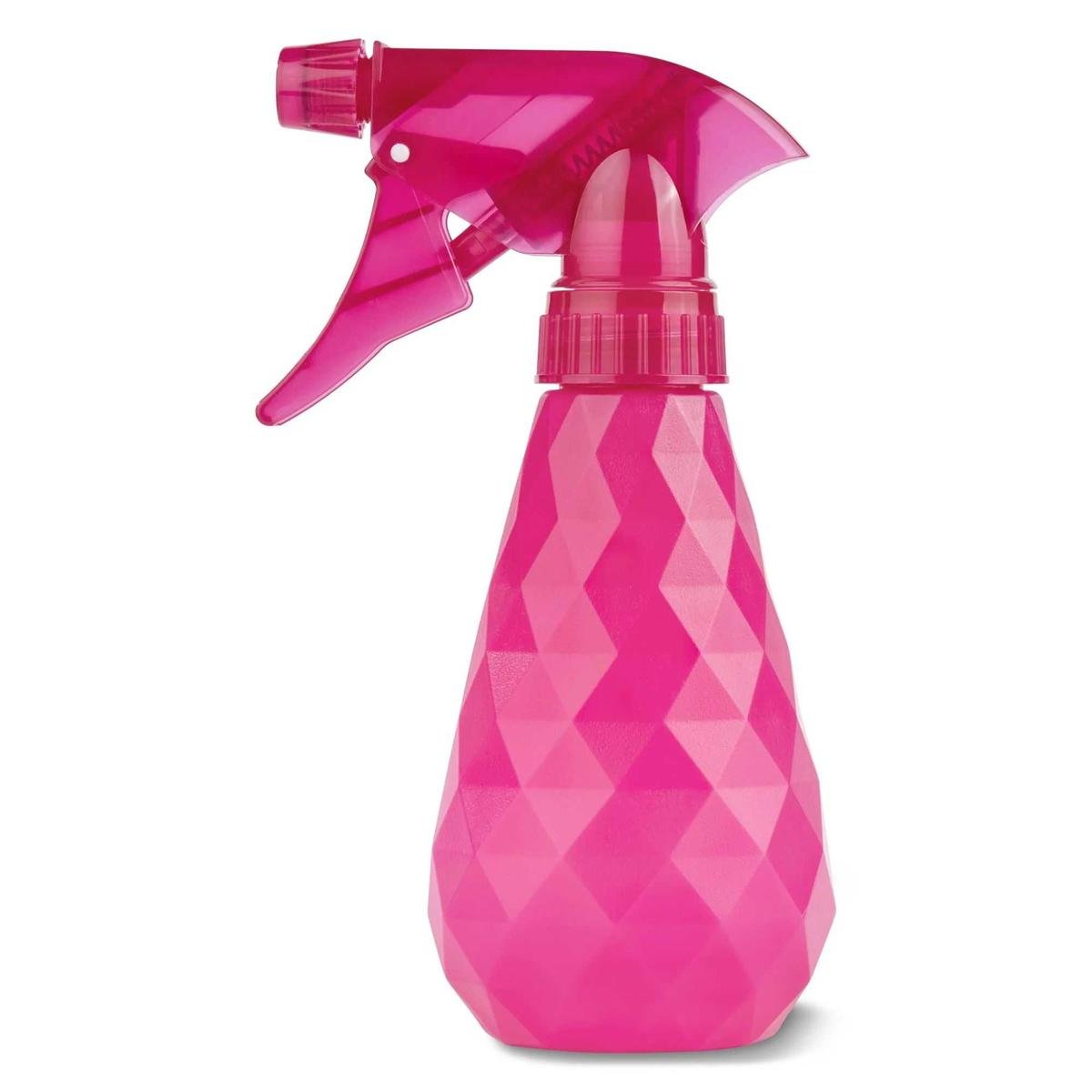 Bestseller
Equate 8 oz Plastic Spraybottle
This spray bottle features an adjustable sprayer and a two-finger grip trigger, perfect for homemade linen sprays.
Step 4: Ensure Towels are Completely Dry

Finally, simply place your towels in the dryer.
Balanzat advises, 'Dry towels thoroughly in the dryer on medium heat. Use dryer balls (like Wool Dryer Balls) or clean tennis balls to fluff them up.
Steer clear of fabric softener sheets, which can hinder absorbency.
You can also soften towels without a dryer by air drying them with your best fan. Our top pick is the Shark FlexBreeze Fan with InstaCool Mist Attachment.
#1 bestseller
Wool Dryer Balls
Made from 100% pure New Zealand wool, these dryer balls reduce drying time, lower energy costs, and replace chemical softeners.
Tips for Keeping Towels Soft

To maintain towel softness, do less rather than more. This will save you time, energy, and money:
- Reduce detergent: One key lesson from my grandmother was that less detergent yields better results. While detergent is crucial for effective cleaning, overusing it coats fibers, making towels rough and less absorbent.
- Maintain your washing machine: A clean washing machine is vital. Regular service enhances the cleanliness and scent of your laundry while ensuring old detergent and limescale don't affect your towels.
- Choose high-quality towels: Cheap towels often feel scratchy and wear out quickly. Investing in good quality towels makes maintenance easier and keeps them feeling nice longer.
- Avoid overloading the washer: Balanzat points out that overloading prevents thorough rinsing of detergent or vinegar, leading to stiffness. Ensure there's ample space for towels to move freely in the drum.
Common Questions
Can you mix vinegar with laundry detergent?
While it's possible to use vinegar alongside laundry detergent when refreshing towels, a cup of vinegar usually suffices, making it a cost-effective and eco-friendly alternative. It supports sustainability while reducing detergent usage.
Washing towels with vinegar is straightforward, eliminates odors, and maintains softness. However, remember that towels have a lifespan. If they start showing wear, consider donating them to a local pet shelter and follow our tips for choosing new towels.