In Germany, there's a cleaning tradition called 'Kehrwoche' that helps residents collaboratively maintain communal areas. This concept can be easily adapted for your household, ensuring chores are fairly distributed.
Many home organizers advocate for this communal cleaning approach, and it truly helps keep your home tidy with less hassle.
Experts provide their insider cleaning tips to successfully incorporate the 'sweeping week' philosophy into your home, focusing on reshaping your chore schedule and encouraging everyone to take responsibility.
Understanding Kehrwoche
'Kehrwoche', or 'sweeping week', is a rotating chore schedule traditionally used in German apartment complexes, where each unit is tasked with cleaning shared spaces like staircases and sidewalks during their designated week.
This method creates accountability, ensuring no area is neglected due to uncertainty over responsibilities.
According to Sofia Martinez, a cleaning expert, the essence of this system lies in 'shared accountability, routine, and a subtle form of mutual respect.' She believes it deserves recognition beyond its origins.
'Its brilliance lies in eliminating any confusion about cleaning tasks. Everyone knows their responsibilities each week, making it a transformative practice for households with roommates, partners, or children.'
Karina Toner, a cleaning expert, concurs, stating, 'If you've ever lived with others and faced confusion about chores, Kehrwoche is the perfect solution. It's a straightforward system that maintains cleanliness and harmony.'
'This method fosters a rhythm. Everyone is aware of their turn, preventing any underlying resentment over cleaning duties.'
Here are three practical strategies to integrate this concept into your cleaning routine:
1. Replace Random Chores with Defined Turns

Assign specific times for chores, not just tasks.
If you're aiming to enhance your cleaning routine, consider a 'different day, different room' approach. Karina suggests abandoning task-focused schedules in favor of a Kehrwoche-inspired plan.
Rather than random tasks, assign specific jobs for designated times. For example, one person could sweep this week, while another wipes surfaces next week, eliminating confusion and the need for nagging. It may sound dull, but it's surprisingly liberating.
Carolina Kazimierski, president of Sophia's Cleaning Service, notes that this method is also an excellent way to introduce children to chores without overwhelming them.
'Assigning each child a week or day to clean shared areas teaches them responsibility and gives them a sense of ownership over their environment.'
This system is beneficial for shared living situations too. Designating one person to handle snow removal or yard maintenance each week lightens the workload and keeps outdoor spaces tidy and safe.
Implementing this rotation helps predict when each person will be responsible, fostering respect for shared spaces.
Utilizing a rota, like the Bliss Collections Weekly Planning Pad available at Amazon, and displaying it prominently ensures everyone is aware of their tasks.
When people know their responsibilities, chores are more likely to get done without drama, according to Karina.
2. Foster Ownership of Shared Spaces

Kehrwoche guarantees shared spaces are maintained.
Often, communal areas like living rooms or entryways go uncleaned because residents assume it's someone else's responsibility. Karina emphasizes that Kehrwoche ensures each individual contributes to the upkeep of these spaces.
'It's easy for shared areas to become neglected,' she remarks. 'With Kehrwoche, those areas are prioritized. Even small tasks like clearing shoes or wiping down surfaces make a difference in how the space feels.'
Sofia adds that assigning and rotating responsibilities brings 'clarity and fairness, reducing chaos and passive-aggression.'
3. Allow Personal Touches in Cleaning

Encourage individuality in cleaning styles.
Karina highlights that a crucial aspect of the Kehrwoche system is allowing individuals to personalize their cleaning methods. It's vital to strike the right balance and motivate family members rather than just assigning chores.
'One person might focus on sweeping, while another could add decorative touches,' she explains. 'That's the beauty of this system – the space reflects the person responsible for it that week. Consistency is key, not uniformity.'
Key Supplies for Shared Cleaning
Prices were accurate at the time of writing.
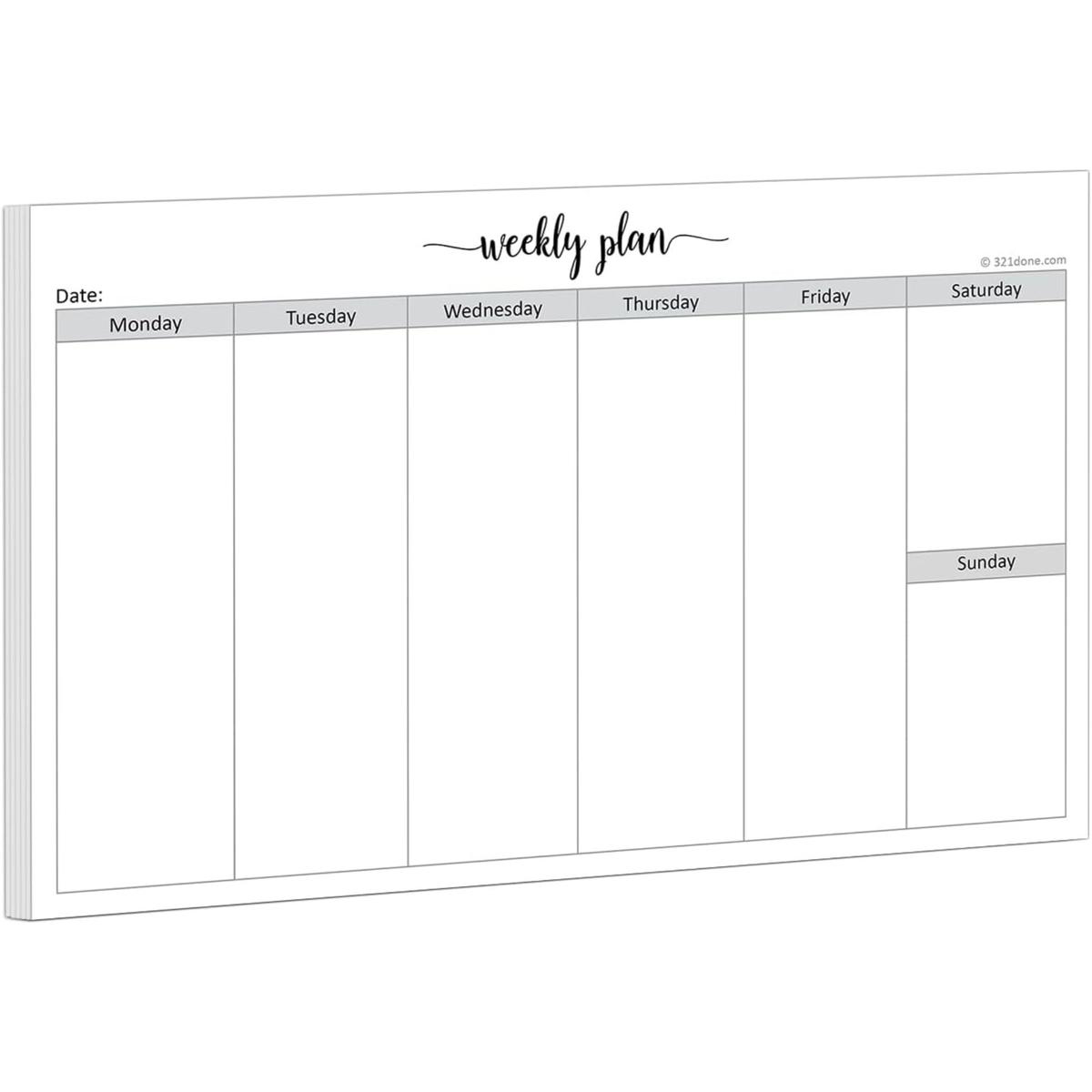 50 sheets
Place this stylish weekly planner in a central location to inform everyone of their cleaning responsibilities.
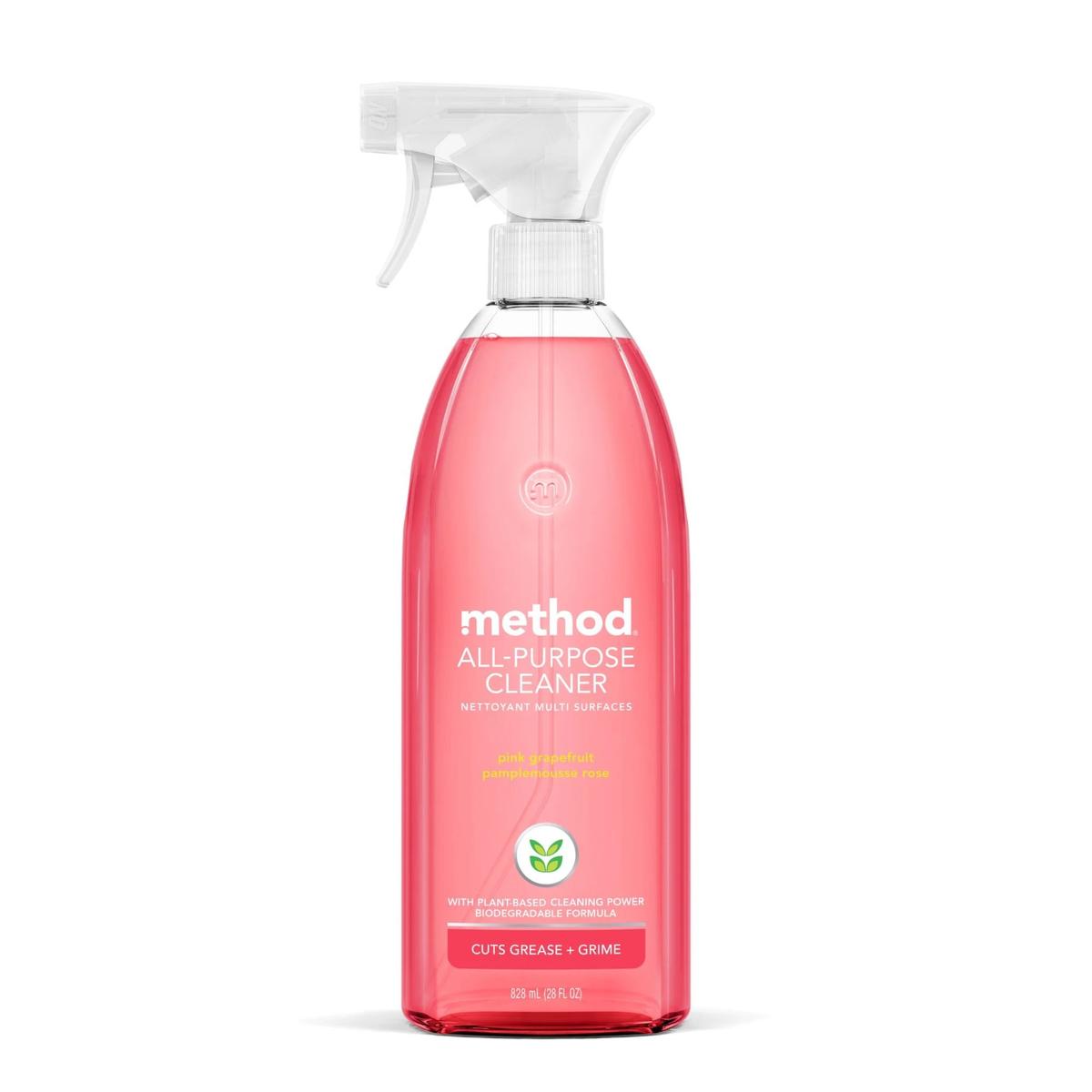 Biodegradable formula
Ensure your cleaning supplies are well-stocked to eliminate excuses. This cruelty-free spray works on nearly all non-porous surfaces.
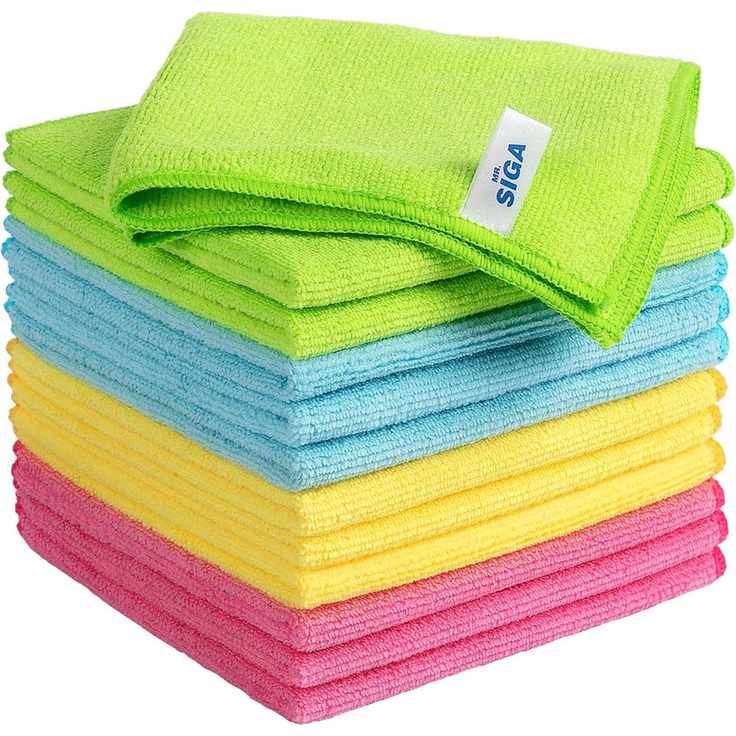 Machine washable
Whether you're dusting or scrubbing, these microfiber cloths are soft, absorbent, and lint-free for a streak-free finish every time.
Meet Our Experts

Carolina has led Sophia's Cleaning Service for five years, expanding its services to cover everything from commercial cleaning to residential support.

Karina's insights have appeared in various publications, and she specializes in integrating cultural cleaning practices into home environments.

Sofia, CEO of Sparkly Maid Austin, brings over a decade of experience in both residential and commercial cleaning.
Building a rhythm of light accountability and pairing it with small rewards, like choosing dinner or a movie for the weekend, enhances motivation.
Have you explored the 'dido-baazdid' tidying culture from Iran? It's a method that maintains a tidy home, preventing clutter buildup. For a meditative approach, consider Vastu Shastra organizing.