Plants truly enhance our lives. Having an outdoor area to nurture them can bring even more joy. From a compact 300-square-foot apartment to a remote mountain retreat, I’ve experienced how vital green space is for uplifting moods and enriching meals. Wherever you can find it, embrace it.
However, creating green space isn't always easy. Urban living, limited outdoor areas, and time constraints can make gardening feel daunting, especially when the learning curve appears steep. This is where small spaces come into play. With a little creativity, you can cultivate nourishment and beauty in even the most compact corners of your home.
Feature image from our interview with Mary Ralph Bradley by Michelle Nash.
Start Small: Create a Windowsill Garden
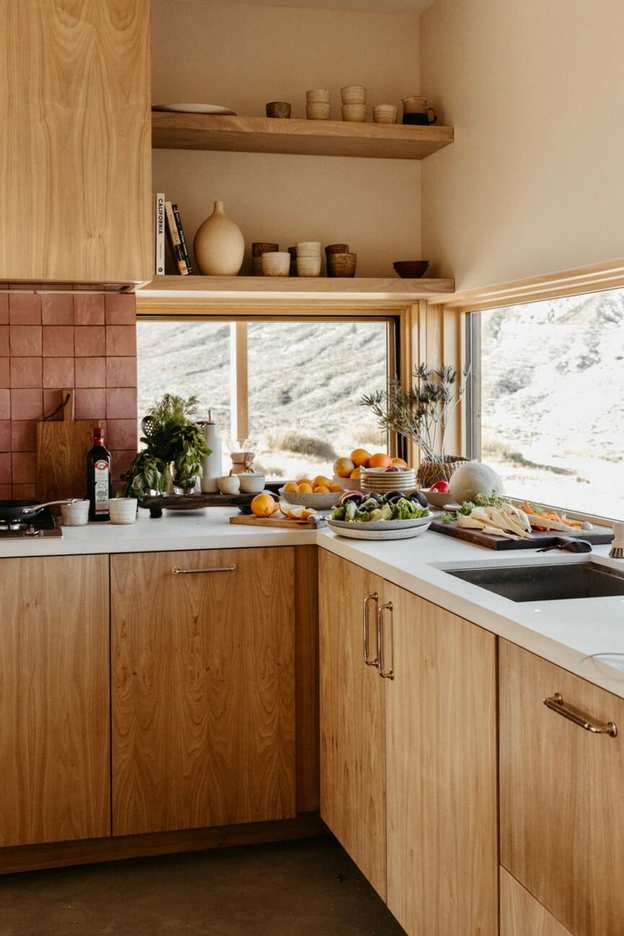
Herbs are essential in any kitchen. They beautify your space and elevate meals with minimal effort. Fresh herbs are perfect for at-home gardening, as they thrive indoors and help connect your food to the earth.
While you can start herbs in various containers, small terracotta or ceramic pots with drainage holes work best. Choose a lightweight potting mix designed for herbs or houseplants. Use a tray beneath your pots to catch excess water and select the brightest spot available. Most herbs require around 4–6 hours of sunlight daily, ideally in a south- or west-facing window.
Top Herbs for Beginners
- Basil: Thrives in warmth and sunlight. Keep the soil evenly moist and pinch off any flower buds to maintain sweet leaves. Regular harvesting encourages ongoing growth.
- Mint: A fragrant, hardy herb that spreads easily, so it’s best grown in its own pot. Mint enjoys partial sunlight and handles shade better than many herbs. Water frequently and don’t hesitate to prune; it rebounds quickly.
- Chives: These slender, onion-flavored greens love bright windows and need light watering. Harvest by cutting an inch above the soil to encourage fresh shoots, which regrow effortlessly.
- Thyme: This aromatic, woody herb needs minimal care. It prefers well-drained soil and less water than most herbs, so allow the top inch of soil to dry before watering. Harvest lightly at first, then more generously once established.
Check out these herby recipes for inspiration: Super Greens Frittata, Herby Green Chickpea Falafel, Pea Salad with Mint and Microgreens.
Bergs Københavner Small Pot Set of Three
$48 at Magnolia$20-$350 at RejuvenationCeramic Stoneware Planter + Dish Set
$69 at SchoolhouseGrow Up: Utilize Vertical Space
When space is limited, consider vertical gardening as a stylish solution for small balconies, patios, or sunny walls indoors. With the right setup, you can transform a blank wall or kitchen nook into a vibrant green oasis. Spend a weekend crafting your setup, which will not only create room for more plants but also add life, color, and tranquility to your home.
- Wall-mounted planters: Ideal for herbs or compact greens, these bring plants to eye level. Consider a tiered system for added visual appeal. See: How to Make a Garden Planter Out of Pallet Wood
- Ladder shelves: Position a ladder-style shelf against a wall and fill it with potted herbs, trailing vines, or shallow veggie boxes. See: How to Make a Plant Ladder Shelf
- Hanging pocket gardens: Made from felt or canvas, these create a green tapestry, ideal for leafy greens and trailing plants on fences or balconies. See: How to Make a Hanging Garden From a Shoe Organizer
These options are space-efficient, renter-friendly, and can significantly expand your small gardening area.
$229 at West ElmRaelyn Finchley Alinru Ladder Bookcase
$79 at WayfairPocket 3 Chocolate Wall Planter
$77 at WallyGrowIdeal Vertical Plants
- Oregano: This Mediterranean favorite has fragrant leaves and grows beautifully in wall planters or hanging baskets. It can cascade or be pruned to remain bushy.
- Parsley: Compact and upright, perfect for vertical pockets or small pots. It thrives in cooler conditions and partial sun. Keep trimming to encourage growth.
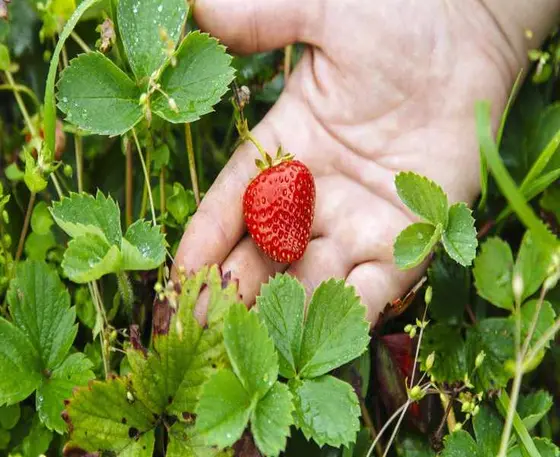
- Strawberries: A summer delight. Use hanging baskets or stackable planters to let vines overflow. They love sunlight and are kid-friendly.
- Lettuce & Leafy Greens (arugula or spinach): Fast-growing with shallow roots, making them great for vertical systems. Regularly harvest outer leaves to promote growth, preferring cooler, filtered light.
- Peas: Plant at the base of a trellis or pocket garden and let them climb. Sugar snap or snow peas are simple to grow and quick to harvest.
- Cherry Tomatoes (dwarf/bush varieties): Experience the joy of your first ripe tomato. Grow in a deep wall-mounted container or large hanging pot with support. Look for varieties labeled “patio” or “determinate” for optimal results in small spaces.
Indoor Foraging: Connect with Nature
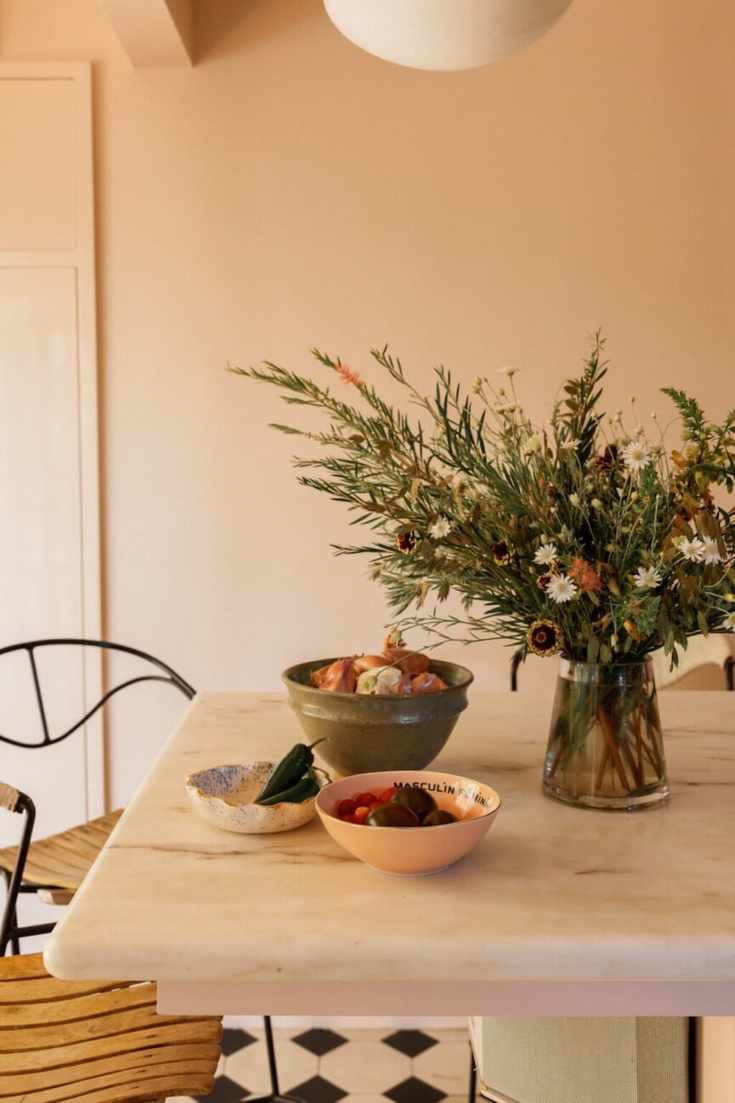
Creating space for greenery can still occur indoors, even if you didn’t grow it yourself. Foraging can heighten your senses, encourage mindfulness, and connect you with seasonal rhythms. Nature is the ultimate source of inspiration for home decor, often affordably and sustainably.
Urban Foraging: A Quick Overview
Urban foraging involves responsibly gathering natural plants, herbs, or blooms from your surroundings—whether a park, roadside, or your own yard. It may sound rustic, but it's surprisingly attainable with intention and a keen eye. Your foraging finds will vary by season, adding to the excitement. Look out for wild herbs (rosemary, sage, mint, lemon balm, fennel fronds), edible flowers (always research before tasting!), or seasonal treasures like flowering branches or golden grasses.
Remember these safety tips:
- Always positively identify plants before harvesting, as some lookalikes can be toxic.
- Forage away from roadsides or chemically treated areas (avoid runoff zones).
- Follow the “one-in-ten rule,” which suggests only clipping one in every ten plants so nature can replenish.
- Check local foraging regulations—some parks or cities have restrictions.
Foraging is about mindful gathering, appreciating what nature provides, and learning to coexist harmoniously.
$148 at Casa Zuma$17 at Groveat HuckberryCombine with Houseplants for a Lush Look
Integrate foraged pieces with your favorite houseplants to create a vibrant indoor atmosphere.
- Spider plants: Known for their air-purifying qualities and low upkeep, featuring delicate offshoots.
- Pothos: Cascading vines that flourish in low light, ideal for shelves or wall hooks.
- ZZ plant: Nearly indestructible, adding a bold, architectural element.
Mix various textures and heights—like leafy greens in the back with delicate wildflowers up front—to mimic nature's organic beauty.
Finding Joy in Caring for Small Plants
While I’ve often dreamt of large, lush gardens, I return to the simple joy of windowsill basil plants that have brightened my days. Nurturing one plant is a step towards the garden of your dreams; don't overlook the importance of nurturing the small.
Watching strawberries grow by your window or snipping mint for tea is empowering and connects you to your space. Allow your garden to take its own form and give it a chance to flourish. Regardless of size, you'll surely welcome some light into your life.
30 Simple Delights to Add to Your June Calendar