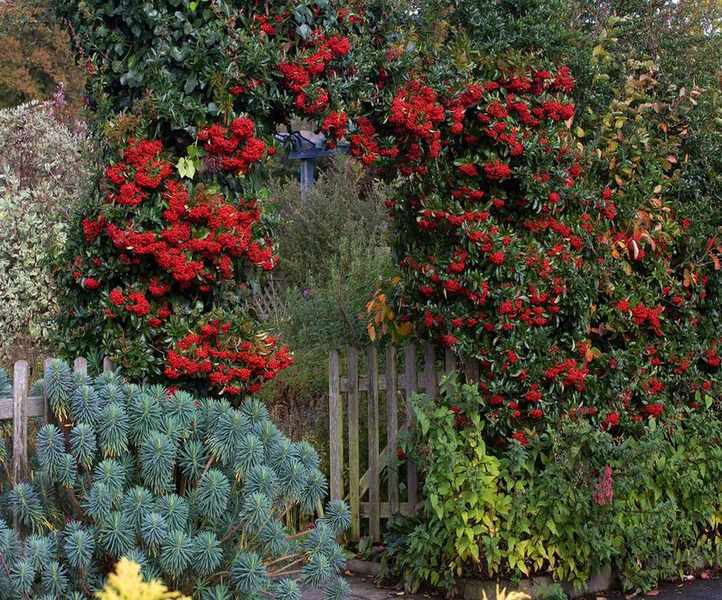
Adding evergreen trees to your garden brings vibrant life throughout the year, particularly in the cold winter months. As deciduous trees shed their leaves, evergreens stand tall, offering color and structure to your outdoor space.
With their lush, green foliage that remains vibrant all year, evergreen trees are excellent for creating privacy in your backyard. They effectively block unwanted views, reduce noise pollution, and establish a peaceful environment, making them an ideal choice for a serene garden.
Evergreen Trees for Gardens
Evergreen trees maintain their foliage throughout the seasons, making them a top choice for enhancing privacy and creating a secluded garden atmosphere. They can also help diminish noise, allowing you to fully enjoy the sounds of nature.
Factors to Consider When Choosing Evergreen Trees
When selecting an evergreen for your space, it's crucial to assess your local climate. Some varieties may thrive in one region but not in another. Additionally, consider the tree's potential size and the shade it may cast, especially during winter when sunlight is more limited.
Determine the placement of your tree, as this will influence the size and growth rate you need. Be mindful of how the tree's shadows will fall and its appearance at maturity.
Soil type and light availability are also essential; choosing a tree suited to these conditions will ensure its health and longevity. If you're unsure, learn the best practices for planting trees to give your evergreen a strong start.
After establishing your criteria, you can begin your search for the perfect evergreen tree for your garden.
1. Magnolia grandiflora
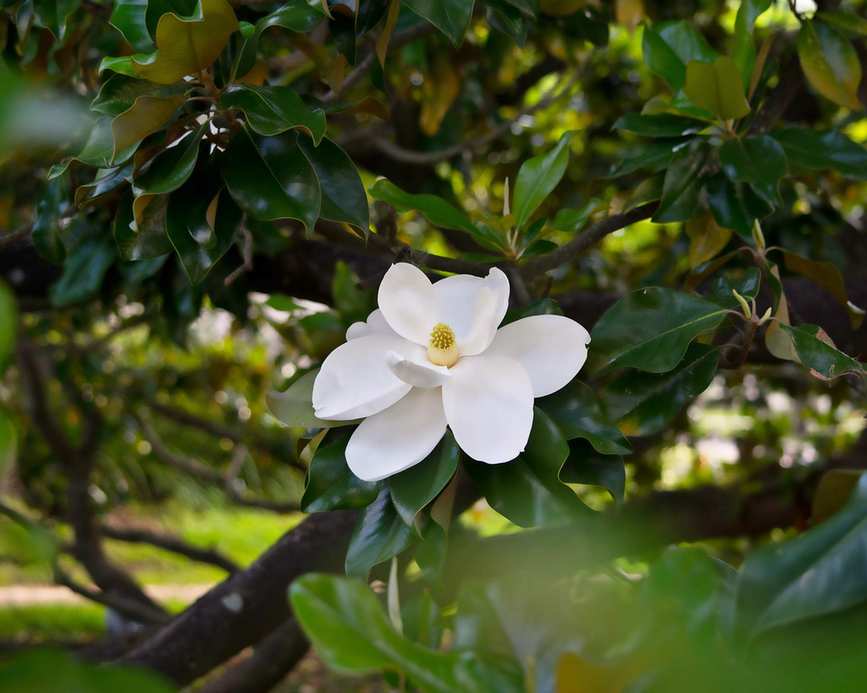
Magnolia grandiflora is one of the most visually striking evergreen choices. With its glossy green leaves and fragrant flowers that bloom in spring, this tree makes a statement throughout the year. Native to the South Atlantic, it adapts well to various soils, thriving in moist, well-drained, mildly acidic environments.
This variety typically reaches heights of 30-45 feet. Its broad, glossy leaves are angled attractively from the stems. In spring, it showcases white to pink blooms that enhance its landscape presence, according to Lindsey Hyland, founder of a gardening resource.
2. Fraser's Photinia (Photinia x fraseri)
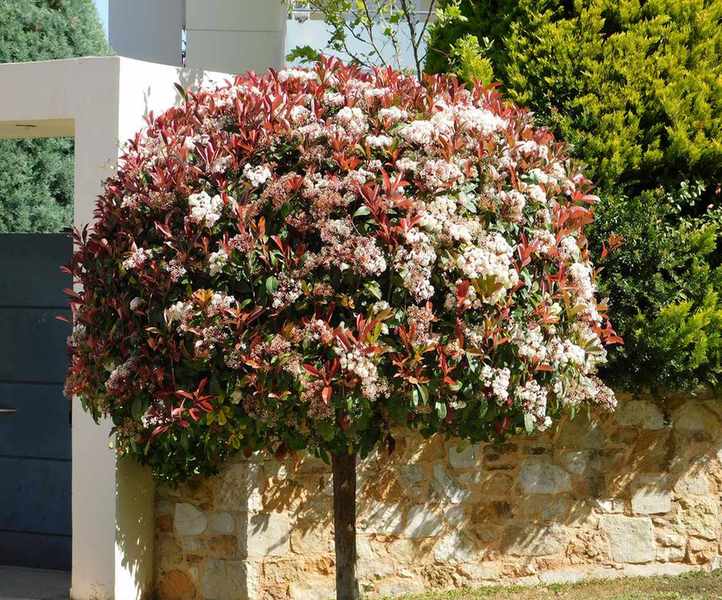
Fraser's Photinia is a rapid-growing tree, reaching up to 3 feet annually, making it a fantastic option for privacy and screening. Thriving in full sun and hardy from zones 7 to 9, it offers vibrant color throughout the year. New leaves emerge bright red, contrasting beautifully with the older green foliage, culminating in white flowers during spring.
In about 12 years, Fraser's Photinia reaches its full size and can be shaped into a shrub, hedge, or standard tree, even being trained against a wall for added visual interest. This versatility makes it an excellent choice for thoughtful garden landscaping.
3. Holly Trees
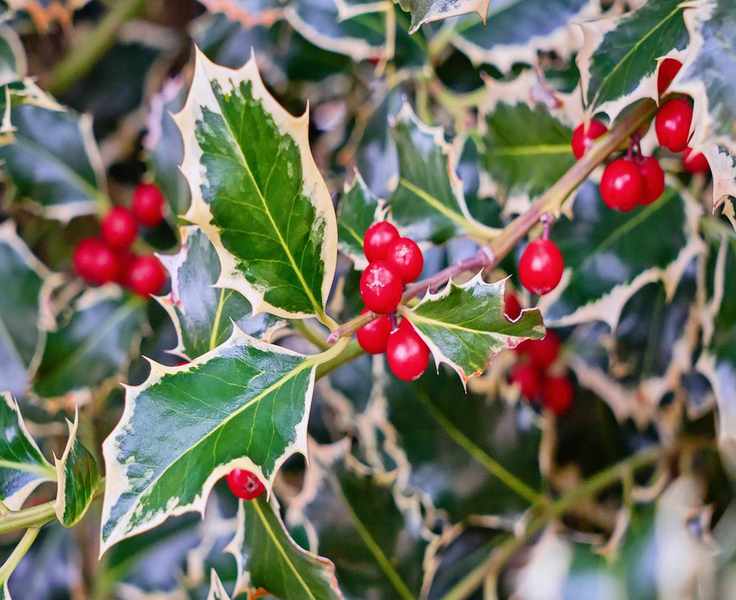
Holly trees are popular evergreen choices in the U.S., with English hollies being the classic festive variety known for their spiky leaves. Variegated English hollies feature dark green leaves with white edges, adding unique flair to any garden. Typically, they reach around 25 feet in height, making them ideal for evergreen garden spaces.
American hollies are slightly larger, growing up to 60 feet, with lighter leaves and different berries. To ensure berry production, plant one male for every one to five females, as advised by a gardening expert.
For optimal results, plant hollies in moist, acidic soil and choose varieties suited to your environment, ensuring they're sheltered from harsh winter winds.
4. Juniper
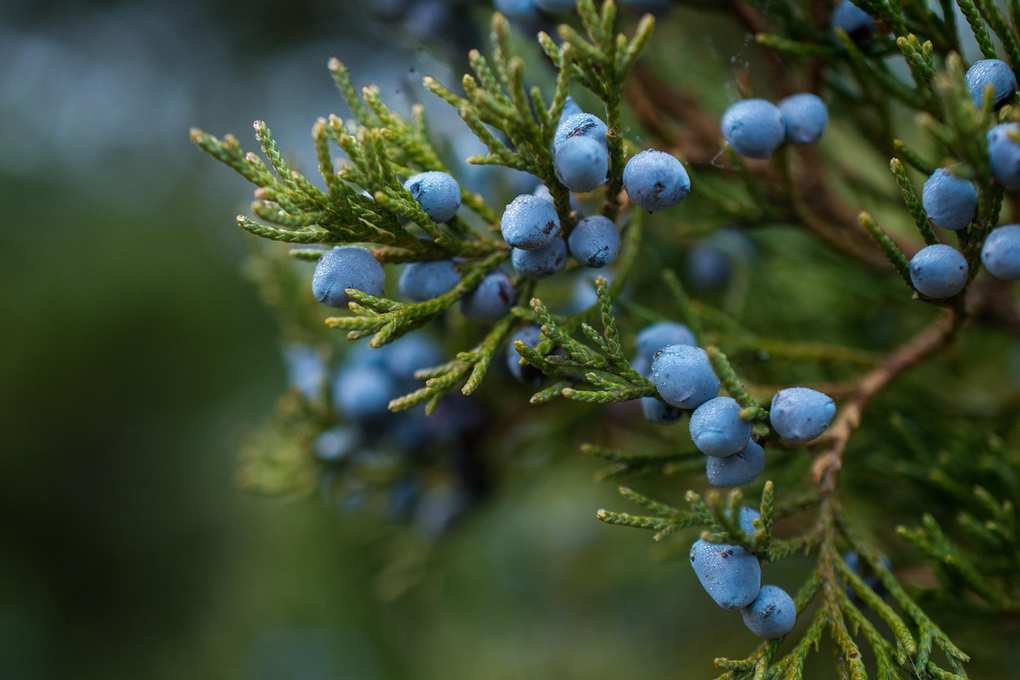
Known for its use in gin, juniper trees are also a valuable addition to gardens. This hardy conifer grows in various zones, from 3 to 9, and adapts well to challenging soil conditions.
Available in multiple colors, junipers are versatile and can thrive in different garden styles. They can be pruned into classic shapes or left to grow naturally for a more casual look.
5. Hemlock (Tsuga)
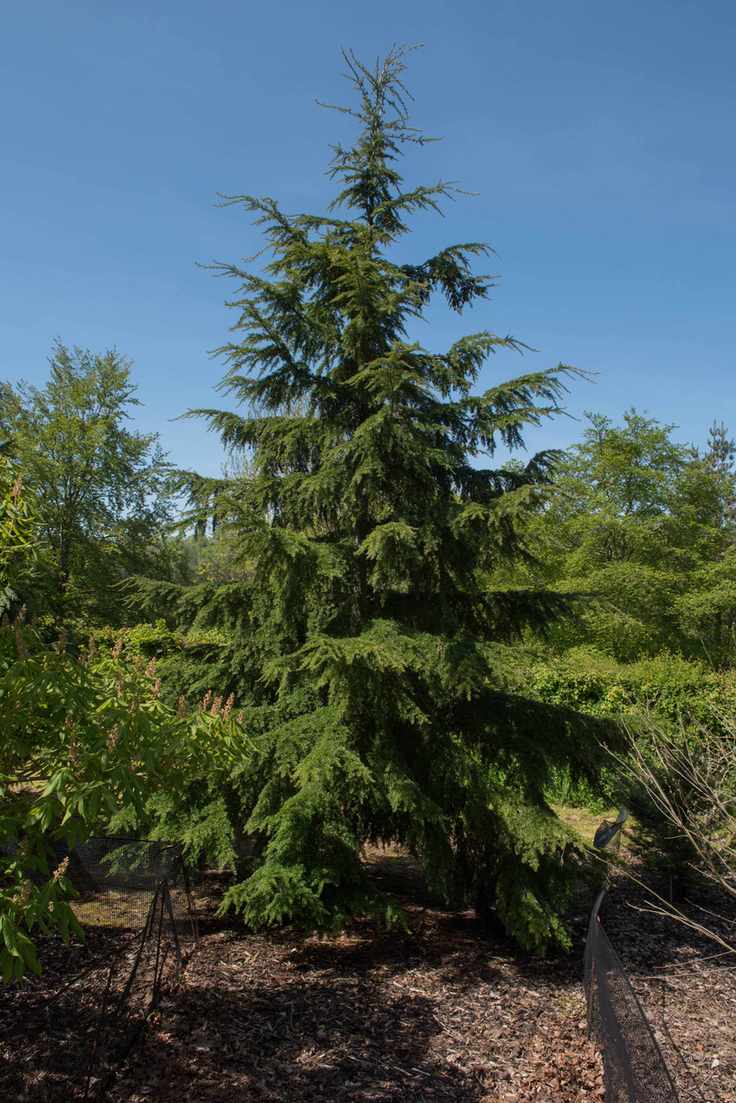
Hemlocks are versatile evergreen firs with varieties that thrive across the U.S. From Canadian Hemlock in zones 3 to 8 to Western Hemlock in zones 6 to 8, these trees adapt well to shade and provide a lovely pyramidal shape with dark needles and attractive cones.
More shade-tolerant than many evergreens, they need protection from harsh winds and sunlight. Plant them in well-drained, cool, moist, acidic soil for the best results, as suggested by a gardening expert.
6. Scarlet Firethorn (Pyracantha coccinea)
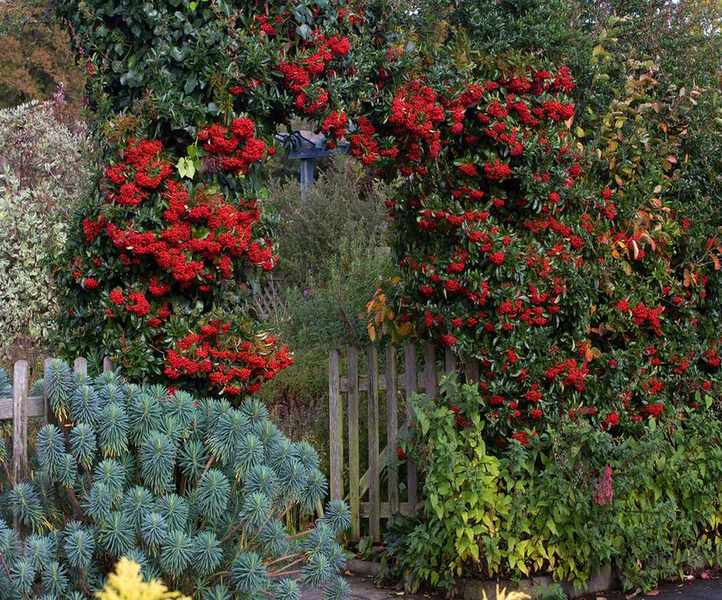
Pyracantha coccinea features striking red berries and thorny branches, making it a valuable garden addition. Birds love its berries, and the vibrant color enhances autumn landscapes. This tree reaches around 10 feet tall and its dense foliage provides nesting opportunities for wildlife.
Resilient and easy to care for, Pyracantha coccinea thrives in various soil types and light conditions, making it suitable for a wide range of gardens.
7. Shore Pine (Pinus contorta 'Chief Joseph')
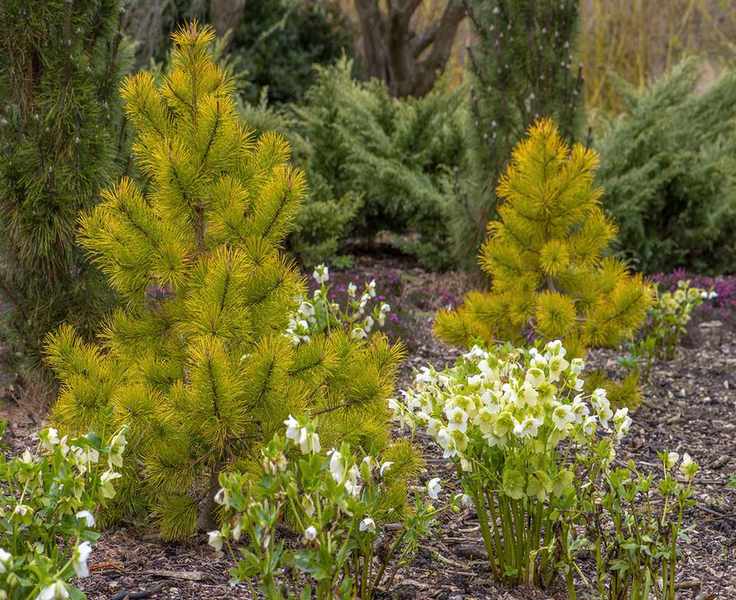
Shore Pines are unique among popular evergreen trees, being smaller and slower-growing, making them perfect for compact gardens. They can even be grown in pots.
While their green leaves may not stand out in warmer months, they transform into stunning golden hues in winter and spring, providing a beautiful contrast to other plantings.
8. Strawberry Tree (Arbutus unedo)

Strawberry trees are a delightful choice, featuring peeling bark and evergreen leaves. They bloom small white flowers from October to December, adding brightness to winter gardens. After flowering, they produce red fruits resembling strawberries, which can be enjoyed fresh or preserved.
These trees grow slowly, making them ideal for smaller garden spaces.
9. Giant Arborvitae (Thuja plicata)
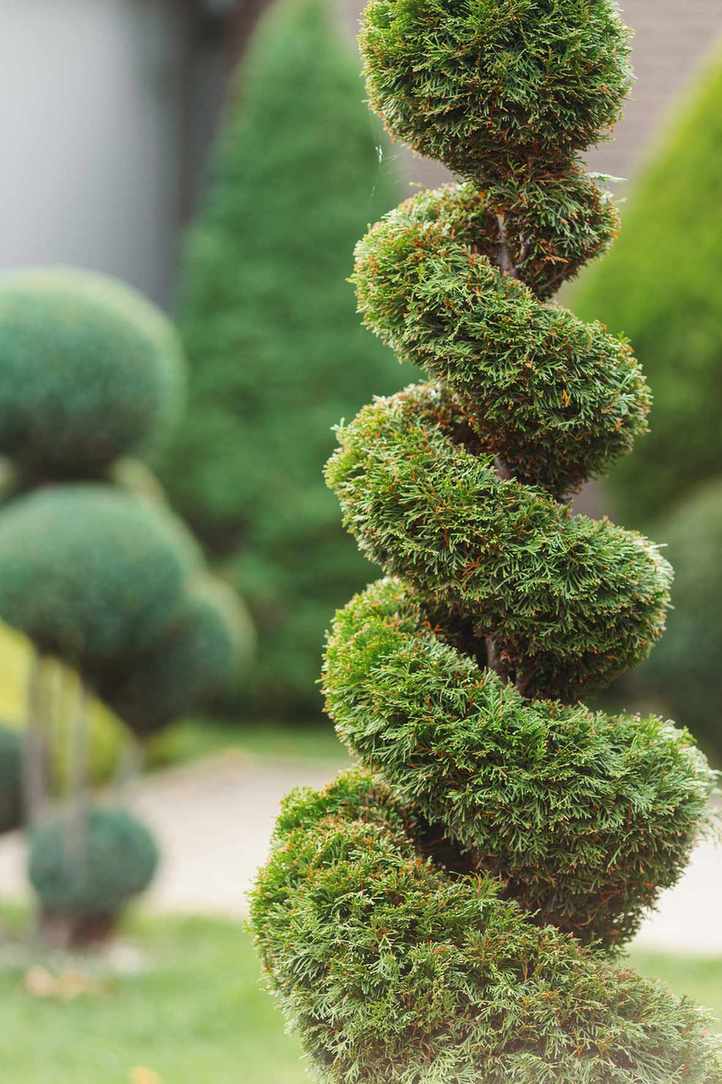
Giant Arborvitae, also known as Thuja plicata, is a resilient evergreen native to western North America. Thriving in zones 5-9, especially in 6 to 8, this tree flourishes in full sun but can tolerate light shade.
When choosing a location, consider its need for well-drained, moist soil. This tree is suitable for topiary, allowing you to create stunning shapes for a focal point in your garden.
10. Olive Tree
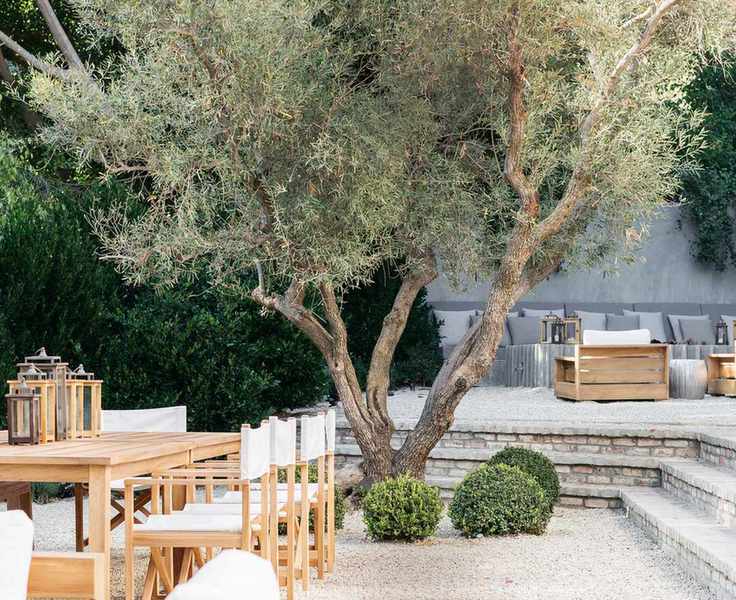
Despite their Mediterranean origins, olive trees are among the best evergreen trees for gardens in zones 8 to 10. They can withstand temperatures down to about 10°F, but anything below 45°F may hinder fruit production. For this reason, they are excellent for pot cultivation, allowing for easy relocation during colder spells.
When selecting an olive tree, choose from reputable sources to avoid diseases. Although evergreen, it's normal for some leaves to drop in spring as part of their natural growth cycle.
What is the Most Beautiful Evergreen Tree?
The Magnolia grandiflora stands out as the most beautiful evergreen tree, showcasing abundant blooms in spring that add fragrance and appeal. Its glossy leaves provide year-round elegance, enhancing gardens even in winter.
What is the Best Evergreen Tree for a Small Garden?
Holly is an ideal evergreen for smaller gardens, offering vibrant foliage, wildlife sustenance, and a compact size. For particularly limited spaces, consider growing them in pots to manage their growth effectively.