Many people think composting comes with bad smells, but this isn’t true. If your compost has an unpleasant odor, it indicates an issue that needs addressing.
For beginners, it’s essential to recognize potential composting errors that could lead to foul smells. Incorrect ingredients, insufficient airflow, or unsuitable conditions can all contribute to your compost bin’s odor problem.
Fortunately, there are straightforward solutions to eliminate these odors. Here are expert-recommended methods to keep your compost fresh.
5 Tips to Eliminate Compost Odors
While we often mix diverse ingredients for optimal nutrient balance in our compost, it shouldn’t emit foul odors. A certain level of smell is expected, but a strong odor indicates that adjustments are necessary. Here are five strategies to maintain a fresh-smelling compost bin.
1. Avoid Meat in Your Compost
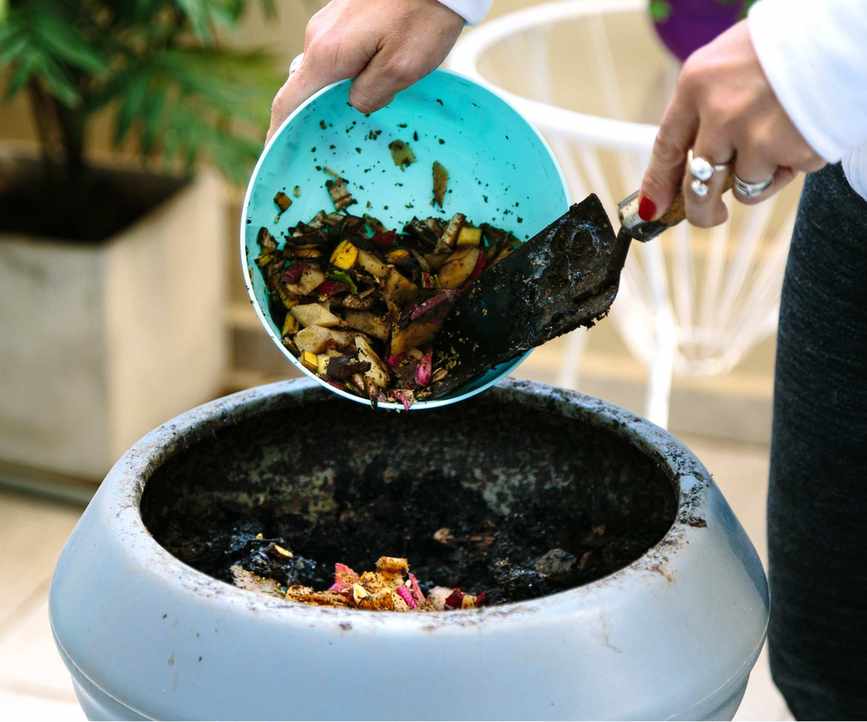
It’s tempting to compost all food waste, but adding inappropriate items can result in bad smells. This often stems from insufficient decomposition and food scraps spoiling quickly.
“The first rule is to never add meat, bones, or dairy to your backyard compost,” says an expert from a composting group. “These materials not only cause odors but also attract pests,” they note.
Stick to using green materials like fruit and vegetable scraps, along with brown materials such as straw and paper, as they are biodegradable.
Food scraps that haven’t decomposed can also attract pests, so securing your bin is crucial. Additionally, consider planting pest-repelling plants nearby for extra protection.

2. Balance Nitrogen and Carbon Ratios
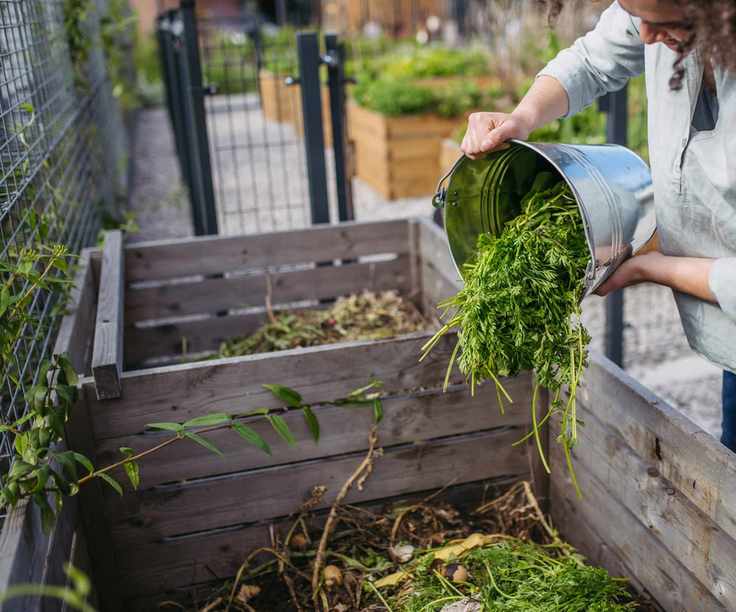
Getting the right ingredient ratio is vital for effective decomposition. Green materials are rich in nitrogen, while brown materials provide carbon.
“Maintain a 3:1 carbon to nitrogen ratio,” advises the composting expert. “That means three parts carbon (like leaves or shredded paper) to one part nitrogen (like fruit scraps or coffee grounds),” they add. “Many people underestimate the amount of carbon required.”
Achieving this balance promotes efficient breakdown, reducing unpleasant odors as the scraps decompose faster.
“At our community garden, we enhance decomposition by adding comfrey leaves, which are high in nitrogen, phosphorus, and potassium,” explains a garden director.
You can also consider using a compost starter to speed up the process or try hot composting methods.

3. Shred Compost Materials
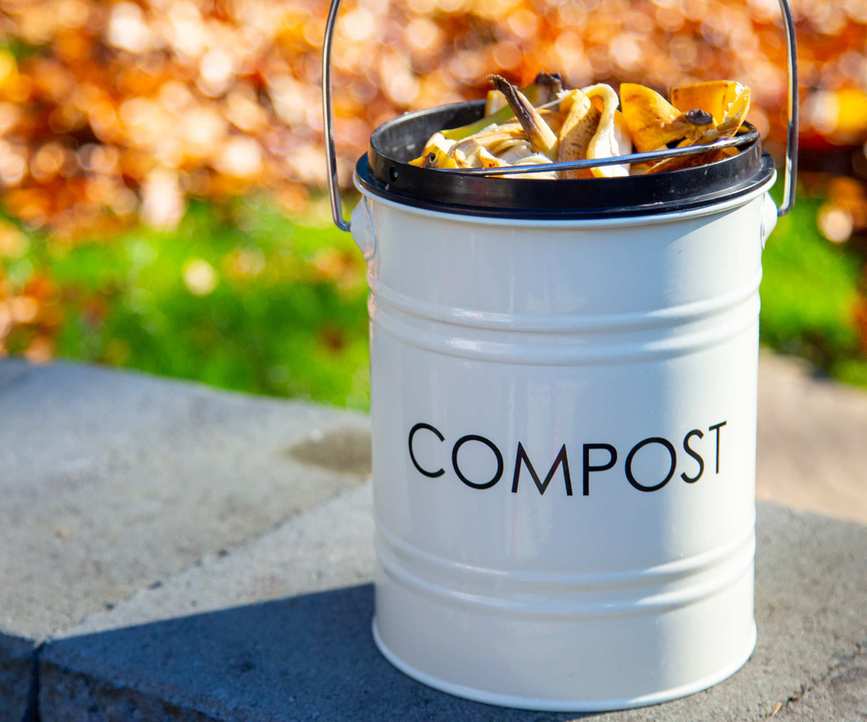
Another effective way to speed up decomposition is to shred your compost materials. This prevents them from lingering in your bin and causing odors.
“Chop your fruits and veggies into smaller pieces, and always finish with carbon on top,” suggests the composting expert.
Whether you're composting banana peels or orange peels, chopping them helps them decompose quicker, minimizing any unpleasant smells.
Consider using a kitchen slicer to easily shred your compostable food scraps.
4. Turn Your Compost Regularly
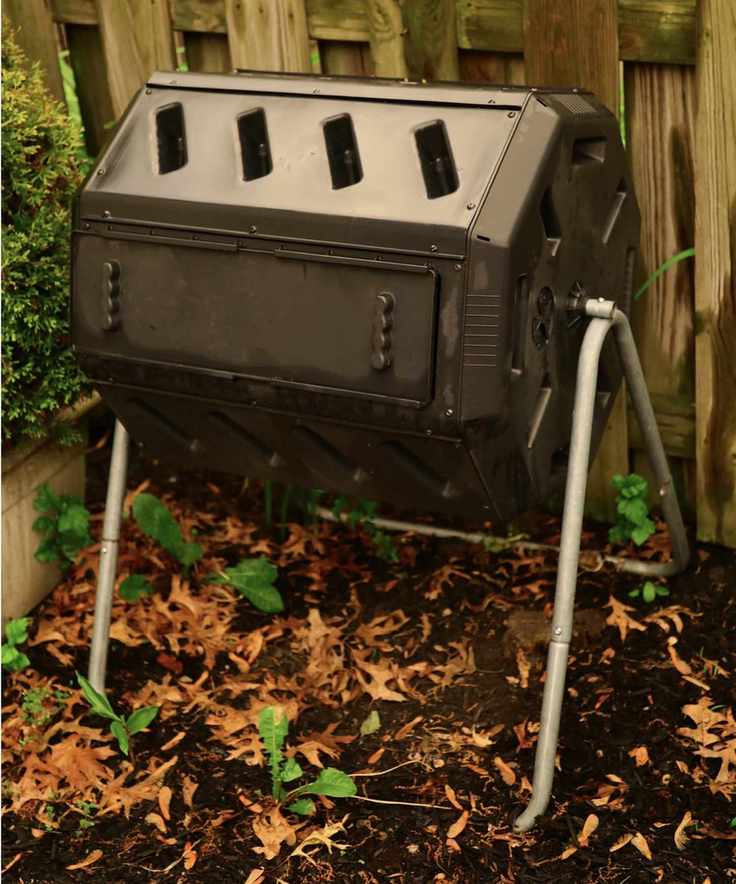
To effectively create compost, ensure ample airflow to oxidize the materials and prevent bad odors. Regularly turning your compost is essential.
“Turning your compost adds oxygen, which is crucial for aerobic microbes. Without it, the compost can become anaerobic and start to smell,” advises the composting expert.
Microbes are vital for breaking down compost, and they require oxygen to thrive. When they lack oxygen, unpleasant odors arise.
This is why many gardeners invest in tumbling composters, like this tumbling composter. Regardless of your composting method, ensure proper ventilation and turn your pile frequently.
5. Maintain Moisture Levels
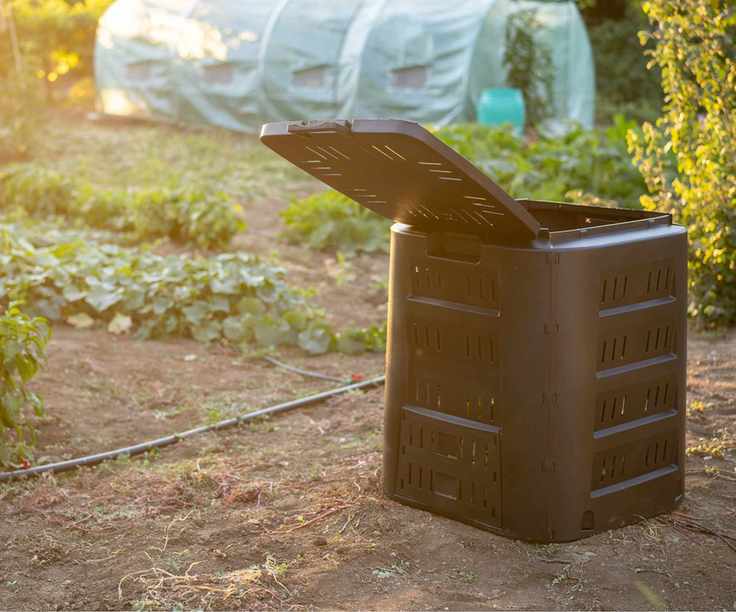
Your compost heap may smell bad if it dries out completely. In addition to having the right ingredients and sufficient airflow, moisture is crucial for microbial activity.
“Dampen your compost pile as necessary. It should feel like a moist sponge,” advises the composting expert.
Using a garden hose, like this garden hose or a watering can is an easy way to add moisture.
However, avoid over-saturating your compost, as this can exacerbate odors. Covering your compost with a tarp can help retain moisture and scents.
FAQs
Can Finished Compost Spoil?
Finished compost is fully decomposed and won’t spoil like food. However, using fresh compost is recommended to provide maximum nutrients for your plants. You may notice your compost shrinks as it continues to break down.
Despite being made from organic materials, compost shouldn't smell bad. If your bin has an unpleasant odor, check your composting practices.
Explore other sustainable gardening methods to make eco-friendly choices.