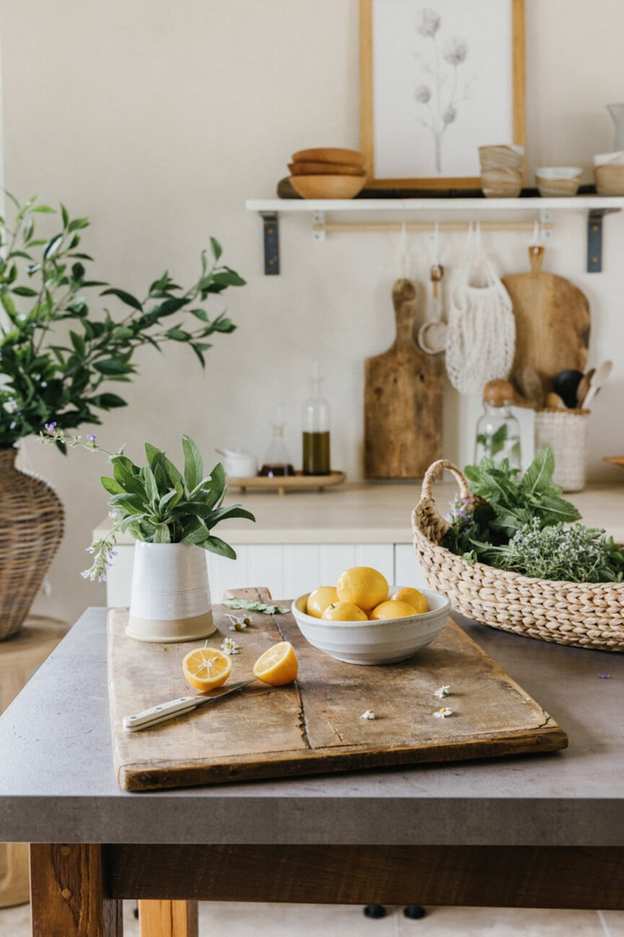
Can you relate? Your Pinterest feed is overflowing with stunning images of perfectly organized kitchens and pantries that seem almost unreal. Sometimes, I glance at those pictures and wonder if others really cook in their spaces. After a busy meal prep and a few days of simple lunches, I often feel like my kitchen has seen better days.
Through some research and understanding how to organize my cabinets and drawers, I discovered that my frustrations stemmed from poor planning and a lack of effective systems to optimize my kitchen.
Every kitchen is unique, shaped by personal cooking styles. Yours should reflect your needs! To gain insight, we consulted Ellen Bennet, the founder of Hedley & Bennet and host of Kitchen Glow Up, for expert advice on creating a functional kitchen design.
What is your storage strategy?
Once my kitchen is set up for maximum efficiency, I can focus on aesthetics. In a professional kitchen, zones are designated for prep, cooking, serving, storage, and cleaning. I apply the same concept at home, keeping my prep area ready with a large cutting board and a knife set.
Functionality is my top priority in the kitchen.
For storage, everything must be easy to locate with clear labeling to grab items quickly while cooking. I appreciate having two sinks, especially a spacious one for larger dishes. Your passions may require unique setups, but you can easily customize zones while maintaining structure.
Which ingredients do you always keep stocked?
In my freezer, I always have proteins like ground beef, ground turkey, or bone-in chicken. Eggs and canned tuna are staples I never run out of. Fresh rice is a must, thanks to my Zojirushi rice cooker. I also keep avocados, leafy greens, and pickles in the fridge.
These ingredients allow me to whip up a rice bowl tailored to whatever else I have available. I always have cooked beans handy and a selection of veggies that steam easily. Persian cucumbers make a great addition to bowls or quick snacks. Onions, shallots, and citrus add flavor to any dish. Essential extras include olive oil and good butter. With these items, I can easily prepare a variety of meals.
What are your favorite storage tips?
I use clear bins in the bottom right of my fridge specifically for vegetables. I remove all produce from packaging and place them on a cloth to reduce moisture, helping them last longer. Clear containers are essential for visibility.
If you can see it, you'll eat it.
Which spices are essential?
Peppercorns, Maldon salt, and kosher salt are necessities. I recommend sourcing high-quality spices from Diaspora. Whole spice seeds are preferable, as powdered spices can lose their flavor over time. Crushing or grinding whole seeds enhances taste. Look for Botanica's Magic Spice for a delicious addition. Garlic powder, sumac, and za'atar are also great options.
What are your top pantry organization tips?
Choose one type of container for your pantry! Avoid keeping items in their original packages. You can find affordable container sets online. Streamlining your pantry visually prevents items from getting lost. If you haven't used something in the past six months to a year, it's time to let it go. Be honest about the spices you'll actually use.
It's fine not to have every spice imaginable for every recipe.
Stick to a consistent labeling system for spices. The more variety you add, the messier it becomes. Labels are crucial. You can use museum putty to keep spices in place.
What are your kitchen essentials?
Here are my must-have kitchen tools:
- Fish spatula or regular spatula
- Whisk
- Tongs
- A larger spoon for tasting, serving, and plating
- Microplane or zester
- Knife set—chef's, utility, and bread (make sure they're sharp!)
- A sturdy cutting board and a good stack of kitchen towels (place towels under the board for stability)
Which specialized appliances are worth the investment?
I generally avoid single-use tools. A good kitchen tool should serve multiple purposes. For instance, a zester can double as a garlic press. While there are specific tools for certain occasions, like a cherry pitter for pies, I prefer versatile items.
What insights have you gained from helping others with kitchen renovations?
The importance of a dedicated pantry cannot be overstated; it helps you keep track of all your food instead of losing items in cabinets. Removing expired foods is crucial. Many don't realize how much expired food they have until they clear it out.
Kitchens tend to accumulate unnecessary items. Assign a spot for everything to encourage decluttering. This simple act will create more space in your kitchen and enhance your cooking experience.