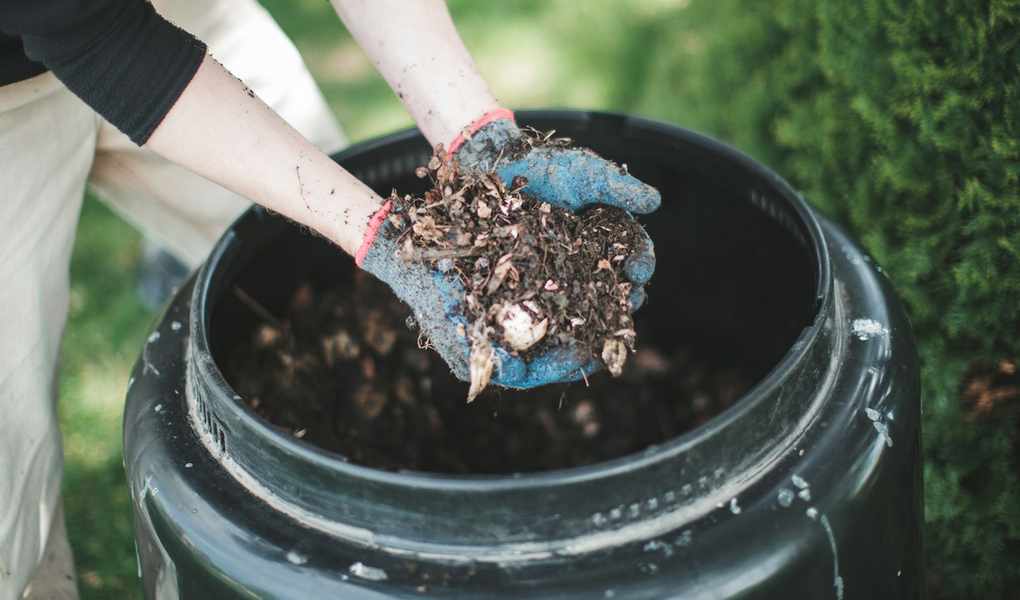
Composting is vital for eco-conscious gardeners eager to recycle organic waste into nutrient-rich soil. However, waiting for compost to mature can be frustrating. Fortunately, there are effective strategies to accelerate the process.
Whether you're new to composting or looking for ways to optimize your composting system, understanding how to speed up decomposition can yield compost ready for use sooner. Here are seven expert-approved methods to achieve quicker results.
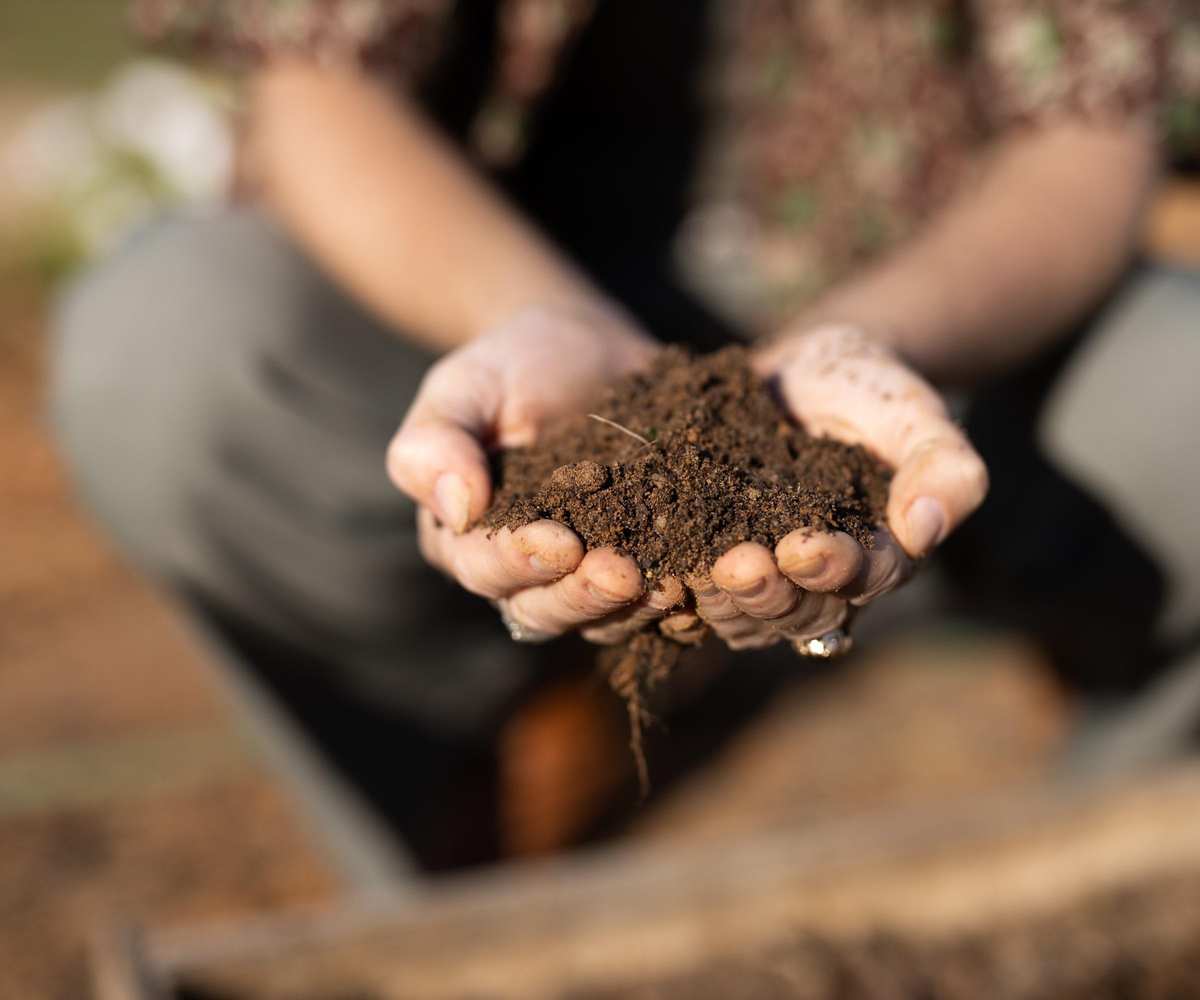
7 Strategies for Faster Composting
Explore these seven expert methods to help your compost pile break down more rapidly.
1. Combine Green and Brown Materials
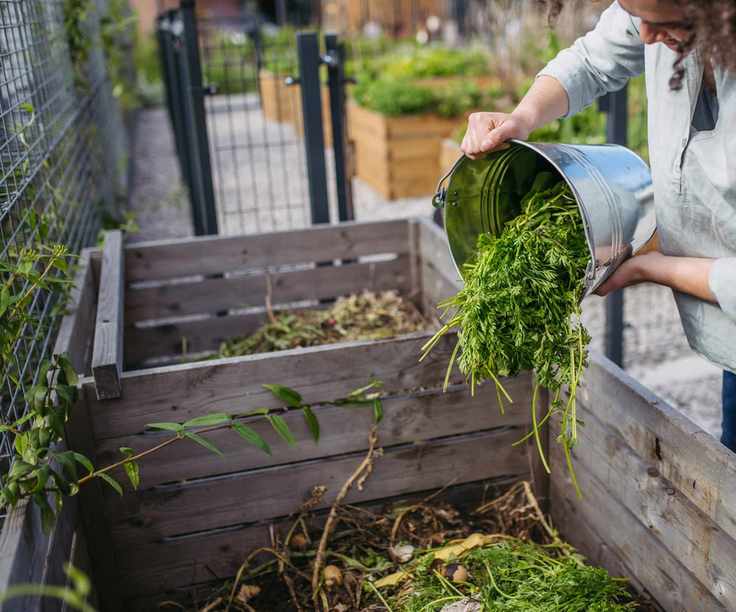
The success of composting hinges on using appropriate ingredients. Achieving the right mix is crucial for efficient breakdown. According to experts, a balanced ratio of green materials (nitrogen) and brown materials (carbon) is essential.
'Aim for a mix of roughly 30 parts carbon to 1 part nitrogen,' advises an expert. Brown materials include dried leaves and cardboard, while greens consist of kitchen scraps and fresh grass clippings. Improper ratios are a common pitfall.
2. Increase Pile Size
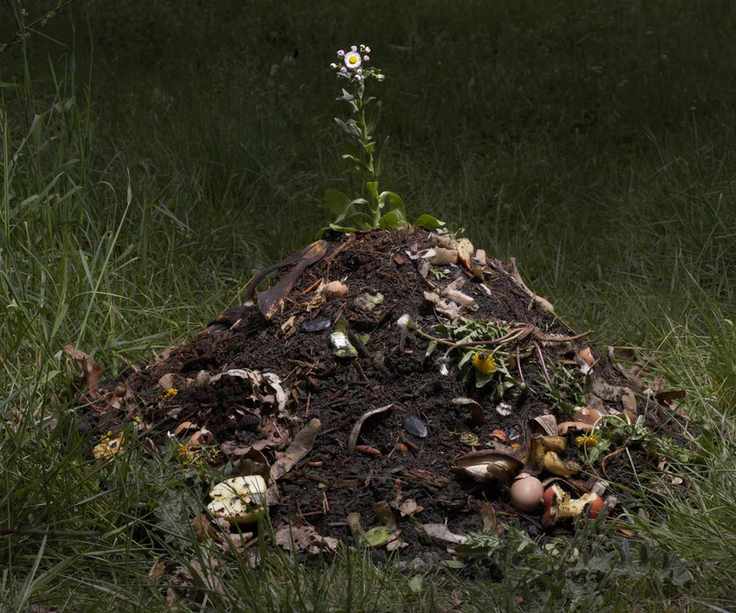
A larger compost pile decomposes faster due to its ability to retain heat and moisture. The ideal starting size is about 3x3x3 feet, ensuring sufficient volume for effective decomposition.
Consider using a suitable compost bin to accommodate a larger heap, or build your own with materials that allow airflow.
3. Maintain Moisture and Warmth
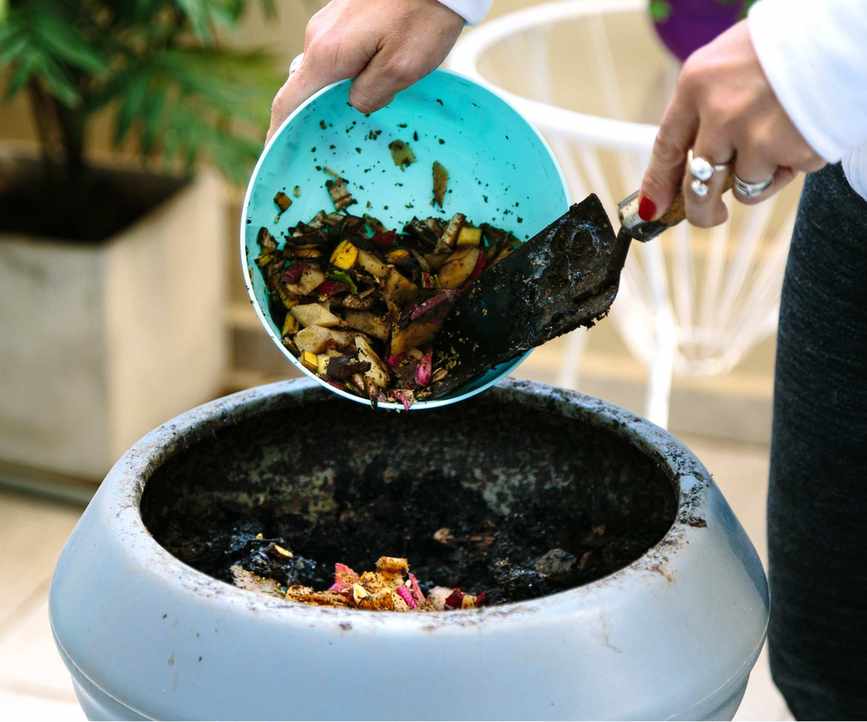
Moisture and warmth are critical for a thriving compost pile. 'Your pile should feel like a wrung-out sponge,' an expert cautions. If it becomes too dry, watering it will help revive the decomposition process. Internal heat naturally builds within the pile.
Use tools like a watering can or garden hose to manage moisture levels effectively.
4. Shred Compost Materials
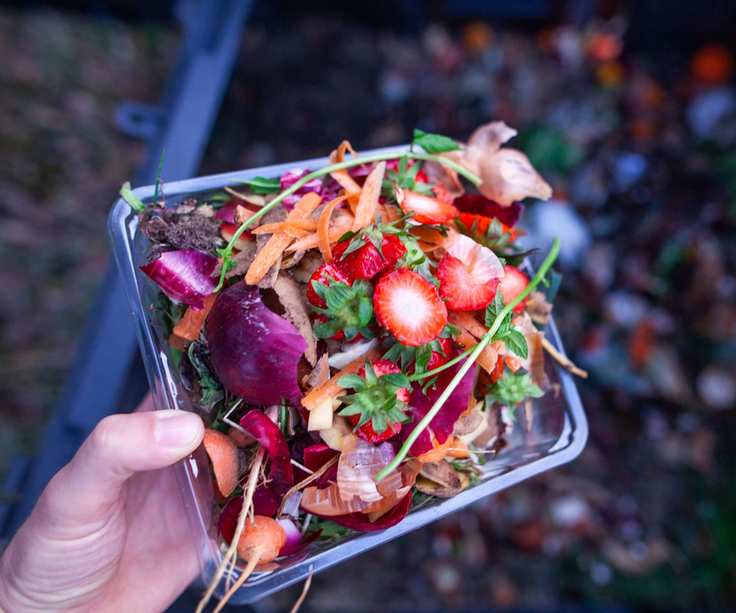
Breaking materials into smaller pieces accelerates their breakdown. Shredded leaves can be added directly, and cutting up vegetable scraps enhances decomposition speed.
Consider investing in a kitchen composter that efficiently shreds food scraps for quick addition to your pile.
5. Introduce Worms
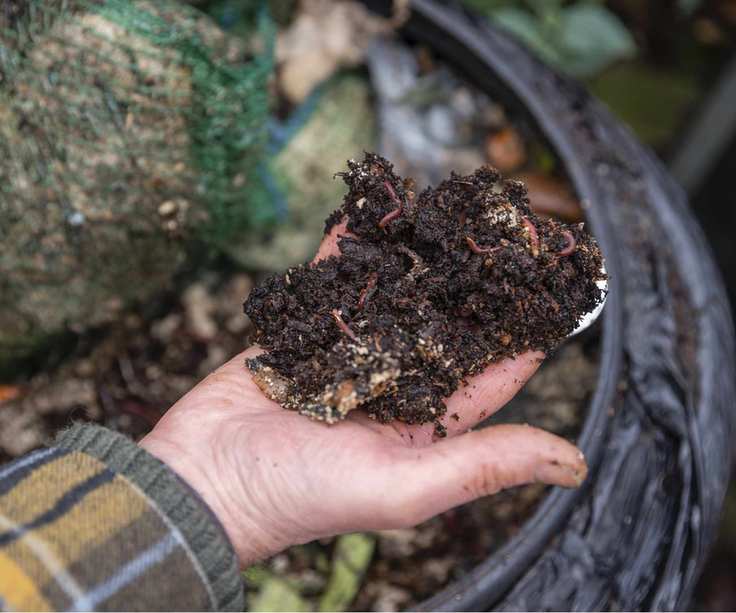
Using worms, particularly red wigglers, can significantly enhance your composting efforts. These creatures consume organic matter and produce nutrient-dense compost known as worm castings.
Place worms in your compost bin, ensuring they have a cool, dark environment and a balance of moist bedding and food scraps.
6. Regularly Turn Your Compost
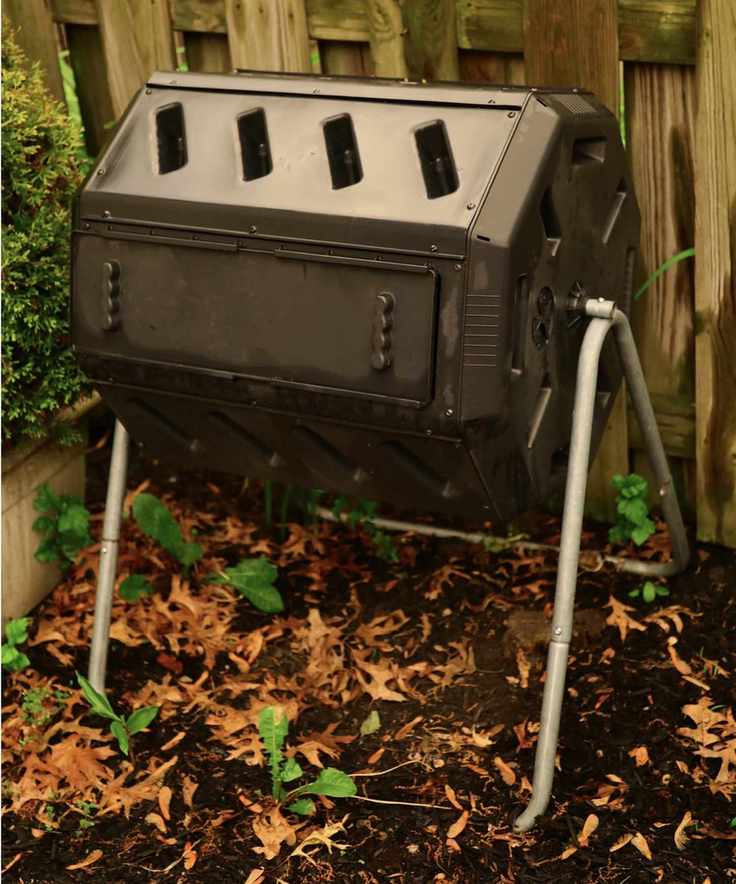
Air circulation is vital for decomposition. Regularly turning your compost pile improves airflow, helping to quicken the breakdown process.
Frequent turning reintroduces oxygen, feeding microbes and increasing heat within the pile. Aim to turn it weekly to expedite compost readiness.
7. Use Compost Activators
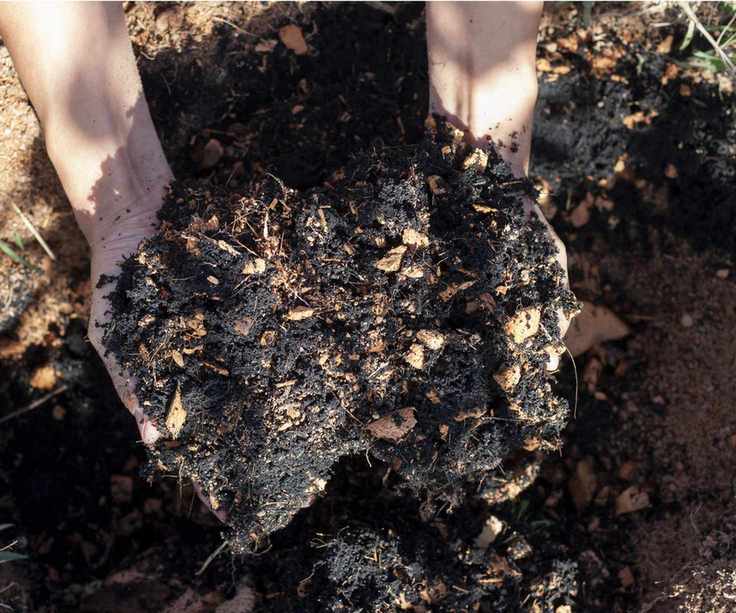
Adding a compost activator can jumpstart your composting process. These products often come in tablet form, containing essential nutrients and bacteria to enhance breakdown.
Available at garden centers, activators help initiate decomposition, so be sure to follow the provided instructions.
FAQs
Why isn't my compost breaking down?
Common issues include inadequate aeration or excessive moisture. Ensure a balanced mix of green and brown materials, along with proper moisture and airflow, to facilitate breakdown.
How long does cold composting take?
Cold composting is a slower method, typically taking six months to a year, as it relies on gradual material addition rather than maintaining high temperatures for rapid decomposition.
Composting is an excellent way to recycle organic waste and enrich your garden soil. By implementing these strategies, you can create an optimal environment for efficient composting and enjoy your homemade compost sooner.
Check out additional eco-friendly gardening tips for more sustainable practices.