
Ever felt like your skin is reacting differently than everyone else's? You might try a trendy product only to see redness instead of results.
Managing redness is often a crucial part of your skincare routine.
Perhaps you've noticed tiny bumps that don't quite resemble pimples, yet they're bothersome to conceal.
If any of this resonates, you likely have sensitive skin. This condition can be confusing for both those who experience it and skincare specialists. Thankfully, ongoing research is shedding light on this issue.
Identifying Sensitive Skin
One of the challenges of addressing sensitive skin is recognizing it. It's not a defined condition but rather a general term. Typically, sensitive skin reacts easily to irritation, inflammation, or breakouts.
For some, sensitivity manifests as redness or small bumps. You might experience daily irritation, while others may react strongly to specific triggers. It can be tough to identify since you might mistake sensitivity for an allergy to a product you use frequently.
A dermatologist can help clarify this, but as a rule of thumb, frequent irritation or inflammation signals sensitive skin.
What Contributes to Sensitive Skin?
Many people assume sensitive skin is purely genetic, and while that's partly accurate, numerous other elements can play a role.
For instance, dryness affects your skin's barrier, making it more reactive to irritants. Conditions like eczema, rosacea, or psoriasis can also indicate sensitivity. Stress might further exacerbate the situation, as can prolonged exposure to harsh environments like intense sun or extreme temperatures.
Ways to Reduce Skin Sensitivity
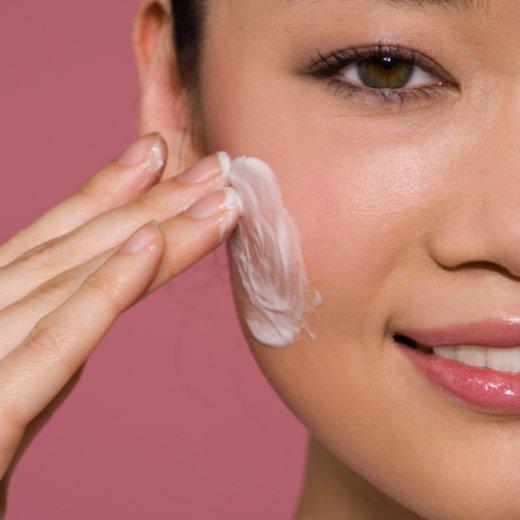
Depending on the causes, you can often lessen skin sensitivity. Addressing any underlying conditions is key, and a dermatologist can provide tailored treatments, including medications or topical solutions. Hydration is also essential, so don't hesitate to apply a rich moisturizer several times daily.
Strategies for Managing Sensitive Skin
Regardless of the factors influencing your sensitivity, there are effective ways to manage it, ensuring you feel confident in your skin. Here are some practical tips.
Select Your Skin Care Products Wisely
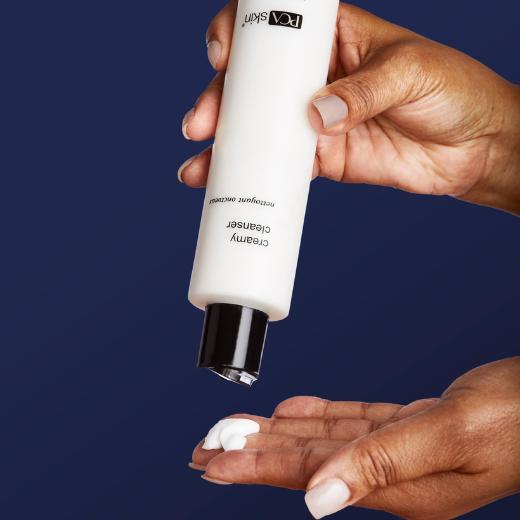
When shopping for skincare, opt for items specifically labeled for sensitive skin. While this doesn't guarantee a non-reaction, it significantly reduces the risk. Generally, avoid products with fragrances or dyes, and choose hydrating cleansers.
Recognize Patterns and Identify What Works
No two individuals with sensitive skin respond identically to products, so understanding your skin is vital. Keep a record of flare-ups alongside the products you've used that day, including makeup and fragrances.
Bear in mind that common skincare advice may not suit you. For example, while exfoliating can be beneficial for many, it might irritate your sensitive skin. It's all about experimentation and discovering what calms and soothes your complexion.
Opt for Essential Oils for Fragrance
Many synthetic fragrances in perfumes can irritate sensitive skin. Instead, consider using essential oils for a pleasant scent without the irritation.
Patch Test New Products
When trying new products, always perform a patch test. Apply a small amount to a less visible area, like under your chin, and wait to see how your skin reacts. If there's no irritation, you can proceed with applying it to your entire face, but remember some areas may be more sensitive than others.
Living with Sensitive Skin
While sensitive skin can be frustrating, many people learn to adapt. By following these tips, you can better manage your sensitivity and keep your skin looking calm and beautiful.