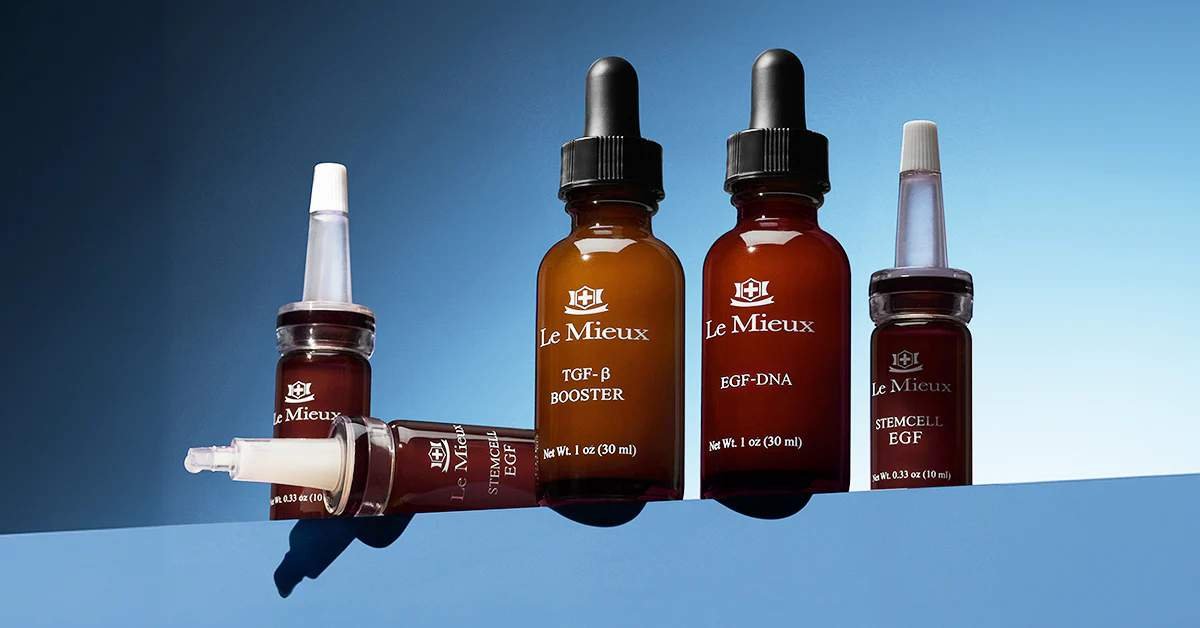
Feeling frustrated with your skin after trying popular products? You’re not alone. Many experience the same issue, where what works for friends leads to irritation for you.
If this resonates, you may have sensitive skin. Unfortunately, this is a common concern that some individuals face more than others.
Understanding why your skin reacts badly can help you minimize irritation, allowing you to navigate daily life without constant frustration.
Understanding Sensitive Skin
There are several reasons you might experience more redness and irritation than others. One common cause could be allergies to specific ingredients found in skincare items.
Moreover, dry skin often contributes to sensitivity. When your skin lacks moisture, its barrier weakens, making it vulnerable to irritants.
Identifying Sensitive Skin
To officially diagnose sensitive skin, a visit to a dermatologist is ideal. However, you can assess your skin’s reaction in daily life.
If you frequently notice redness or itchiness, it’s wise to take precautions rather than waiting for a formal diagnosis.
Living with Sensitive Skin
While you may not be able to change your skin's sensitivity, you can manage your symptoms effectively.
1. Keep a Skin Journal
To protect your skin, identify irritants. This might seem straightforward, but it can be challenging to pinpoint the exact causes.
A dermatologist can conduct allergy tests, but if that’s not an option, consider tracking your products and daily habits.
Document everything that touches your skin, including cosmetics, weather conditions, and sun exposure. Also, note when your skin reacts negatively. This data can help reveal patterns.
2. Patch Test New Products
Whenever you introduce a new product, especially with sensitive skin, testing it on a small area is crucial.
Apply a small amount on a discreet patch, like under your chin, and wait a few days to see if there's any adverse reaction. If all goes well, you can start using it regularly.
3. Choose Calming Products
When your skin flares up, don’t just wait it out. Look for products specifically formulated to soothe irritation, such as calming serums.
For instance, consider options like a gentle serum designed to ease irritation or a cream that hydrates and addresses signs of aging.
4. Identify Problematic Ingredients
Every individual with sensitive skin has unique triggers. However, some ingredients are notorious for causing reactions. Always read labels and steer clear of known irritants.
Avoid products with fragrances, dyes, and parabens, as these are commonly linked to sensitivity. Just because something is labeled as “hypoallergenic” doesn’t guarantee it’s safe—always check the ingredient list.
5. Prioritize Hydration
Dryness is a major factor in skin sensitivity. Keeping your skin well-hydrated is vital for maintaining its protective barrier.
Utilize a rich moisturizer to lock in moisture, and remember to hydrate from within by drinking plenty of water.
Embracing Your Sensitive Skin
For those with sensitivity, it can feel like a love/hate relationship with your skin. While you appreciate its potential, the frustrations can be overwhelming.
Although you can't completely eliminate sensitivity, by following the above tips and selecting the right products, you can gain better control over your skin's reactions.