If you adore climbing roses, consider adding more of these beautiful varieties to your garden. When planted correctly, they can adorn walls, arches, and pergolas with vibrant blooms that fill your space with fragrance during the summer months.
There's a wide range of climbing roses available. We'll guide you through the best varieties to choose, where to place them, and how to plant them. While the planting methods are similar to those for standard roses, we have specific insights to share regarding climbing types.
Best Climbing Roses to Choose
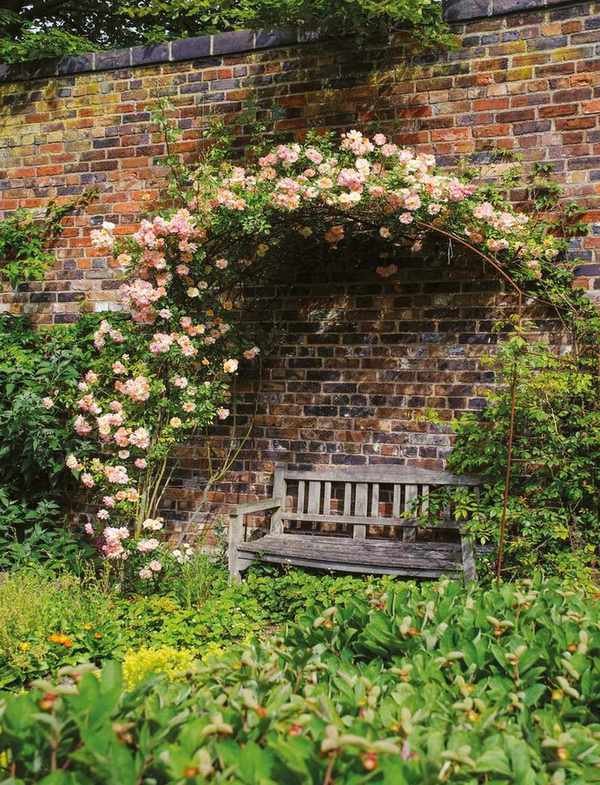
When selecting roses for your garden, ensure you pick climbing roses that meet your preferences. Their bloom colors vary widely, as do their foliage shades, growth heights, health profiles, flower shapes, and scents—some may not have any fragrance at all.
Some varieties bloom just once in the summer, while others offer continuous flowers until frost. There are options with single or semi-double flowers that provide nectar for bees, and some thornless varieties are perfect for archways. A few can even flourish on a north-facing wall.
If you need a compact climber, consider the Lady of Shalott. This variety can reach about 10ft (3m) and is known for its abundant flowering from June until late in the season. The blooms are a lovely shade of apricot orange, with a fragrance reminiscent of spiced apples and cloves.
For a stronger climber, designer Claire Mee loves the Madame Alfred Carrière. This repeat-flowering rose showcases creamy pink-white blooms and is thornless, making it child-friendly. It thrives in shadier spots and has a delightful fragrance.
Other excellent scented options include New Dawn (pale pink), Sombreuil (cream), and Climbing Étoile de Hollande (crimson red), all reaching about 15ft (4.5m). If you prefer shorter varieties, look at Climbing Gertrude Jekyll and Strawberry Hill, both lovely pink scented roses under 10ft (3m).
If you enjoy the relaxed charm of rambling roses, Francis E. Lester is an outstanding choice. It produces numerous pink and white blooms that attract bees and provide beautiful orange hips in autumn.
These climbing roses are exceptional additions to any garden.
Timing for Planting Climbing Roses

For optimal results, you can plant containerized climbing roses any time of year. However, for healthier growth, consider purchasing bare-root roses from November to March. These are more affordable and establish a stronger root system. Ensure you plant them on a day when the ground is neither frozen nor overly wet.
Choosing the Right Spot for Climbing Roses

“Position climbing roses in areas where you frequent, so you can enjoy their color and scent throughout the seasons,” suggests designer Ethan McGory. The rose hips and stems can add visual interest even in winter. A porch or patio is ideal for their placement.
Climbing roses prefer rich, well-drained soil that is neutral to alkaline and sunny. It's best to plant them in areas that haven’t hosted roses recently, to reduce disease risks.
“Climbing roses are perfect for covering structures,” adds designer Maria von Brincken. “They can beautifully enhance pergolas, trellises, and other outdoor spaces.”
For a unique focal point, Claire Mee suggests growing roses through trees, like Rosa banksiae ‘Lutea,’ ensuring the tree can accommodate the rose without damage.
Steps to Plant Climbing Roses
1. Prepare the Roses
Soak the roots of your bare-root roses in water for about an hour.
Dig a hole that is both wider and deeper than the root system, loosening the soil below with a fork and mixing in well-rotted manure or organic compost.
2. Nourish the Roots
While holding the rose over the hole, sprinkle mycorrhizal fungi on the roots to promote stronger growth.
3. Check Soil Depth
The graft (the swelling where the roots meet the stems) should sit 2in (5cm) below the soil surface. Fill in with soil, pressing down lightly to eliminate air pockets, and give it a good watering.
Caring for Climbing Roses

Feed your roses with a rose fertilizer after pruning, and provide a liquid tomato feed every two weeks during the summer at half strength.
Mulch each March with a layer of well-rotted manure or organic compost.
Consider companion planting: Pair climbing roses with perennials instead of grouping them solely with other roses to minimize disease. Salvias, like ‘Cerro Potosí,’ are particularly beneficial.
Deadhead repeat-flowering varieties to encourage more blooms, but avoid deadheading once-flowering types that produce fruit in autumn.
Prune climbing roses in late winter, and prune rambling roses after their floral display. Use sturdy ladders and ensure you have good grip footwear for safety.
For easier pruning, especially for those who may not be steady on their feet, consider planting a climbing rose close to the ground. This allows for easy maintenance without the need for a ladder.