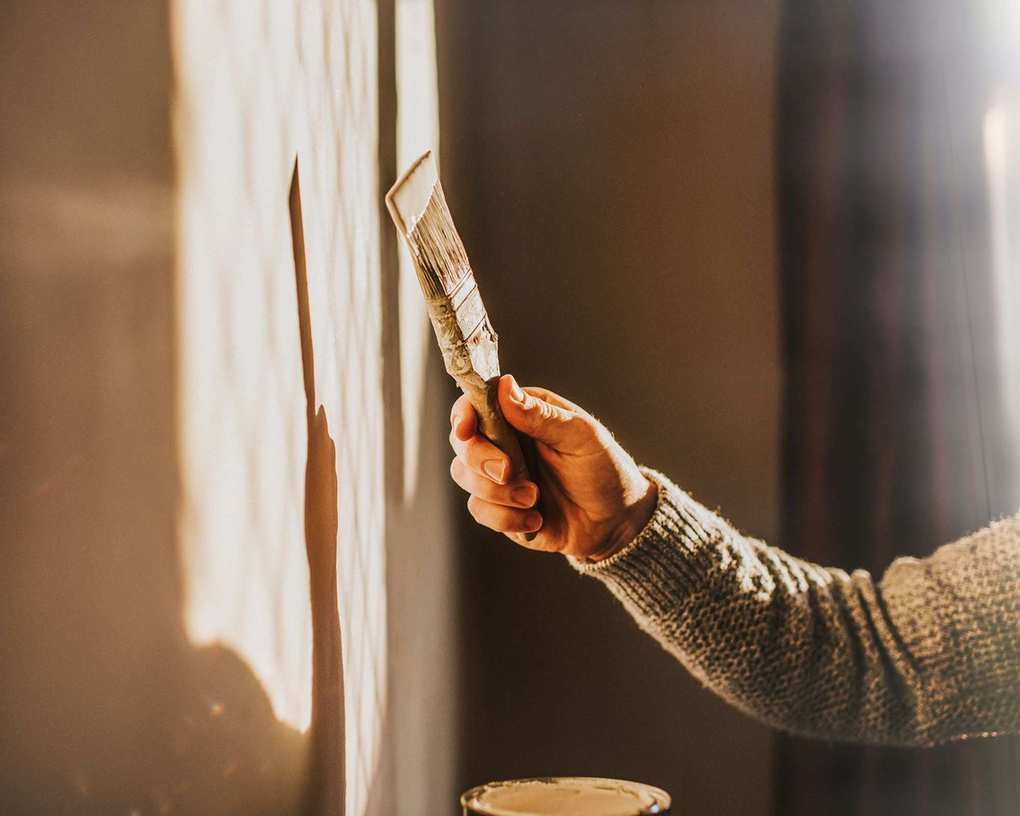
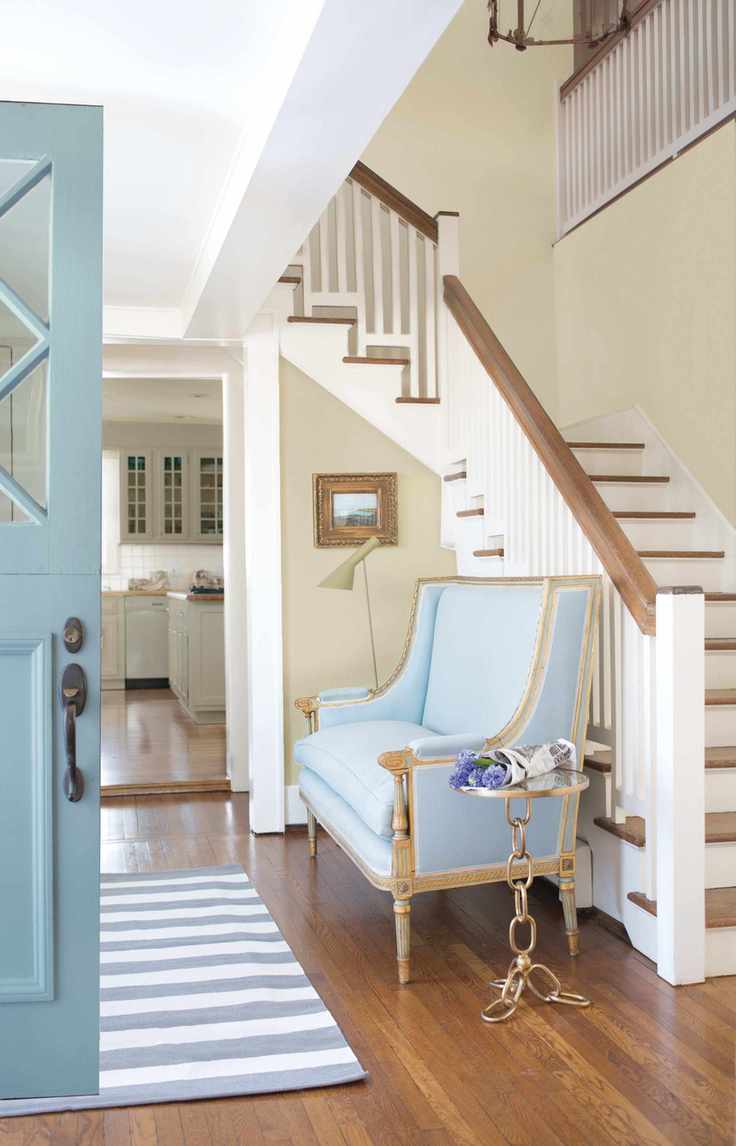
Stairwells often greet guests as they enter your home, making a striking first impression essential. A well-decorated stairwell, featuring a stylish runner, can transform this area into a warm welcome.
Painting a stairwell is more complex than painting a standard room. These spaces often extend to the full height of your home, excluding the loft. If you can hire a professional for just one task, this project is worth the investment!
For stairwells that are particularly high or intricate, especially those spanning more than two stories, it’s advisable to use scaffolding to ensure safety before starting the painting process.
Steps for Painting a Stairwell
Decorating a stairwell includes tackling both the tallest walls and the highest ceilings in your home. If you plan to take on the project yourself, we’ve compiled essential methods to reach every corner safely in a typical two-story home and gathered helpful tips for achieving outstanding results.
Using Extension Ladders for Painting
Professional painters often utilize telescopic or extendable ladders, which can be adjusted on each side. The shorter side can rest higher while the longer side remains lower. We advise caution with this technique; if you choose to use it, always have someone hold the ladder steady while you paint and be comfortable with heights.
A long ladder can span from the bottom to the top of the stairwell, but having a buddy for support is wise. For safety, consider renting ladders or scaffolding instead of purchasing them for a one-time project.
Safest Methods for Reaching High Areas
The safest way to reach elevated areas in a stairwell is by using a paint roller with extension poles. While it can be taxing on your arms and neck, it’s less hazardous than balancing on ladders. A small step ladder can help reach the upstairs landing, but ensure it's securely positioned away from the stair edge.
Keep in mind that using extension poles may limit precision, particularly along the wall and ceiling line. To achieve clean edges, consider using a Paint Edger (try Shur-Line), which helps create sharp lines without spilling paint onto the ceiling. Look for an Edger compatible with extension poles. Corner Pads can also assist in reaching tight spaces that rollers can't access.
Getting Started with Stairwell Painting
Regardless of your method for reaching walls and ceilings, begin by masking off areas that won't be painted. 'Cover the floors and staircase with drop cloths. Remove electrical cover plates and protect lighting fixtures with tape or plastic,' advises a professional expert.
When covering staircase treads, ensure the cloth is pushed deep into each tread to prevent slipping. Use low-tack tape for woodwork and moldings as well. It’s also smart to wear a cap to keep paint from splattering into your hair and eyes; a disposable shower cap works great.
Typically, it’s best to start painting from the top of the stairwell and work downward to avoid leaning ladders or poles on wet paint. This method also helps manage any paint drips more effectively.
Selecting the Right Paint for Your Stairwell
Choosing the right paint color and finish for your stairwell is crucial to avoid frequent touch-ups. In areas with limited natural light, opt for a lighter color—about 20% lighter than you'd use in well-lit rooms.
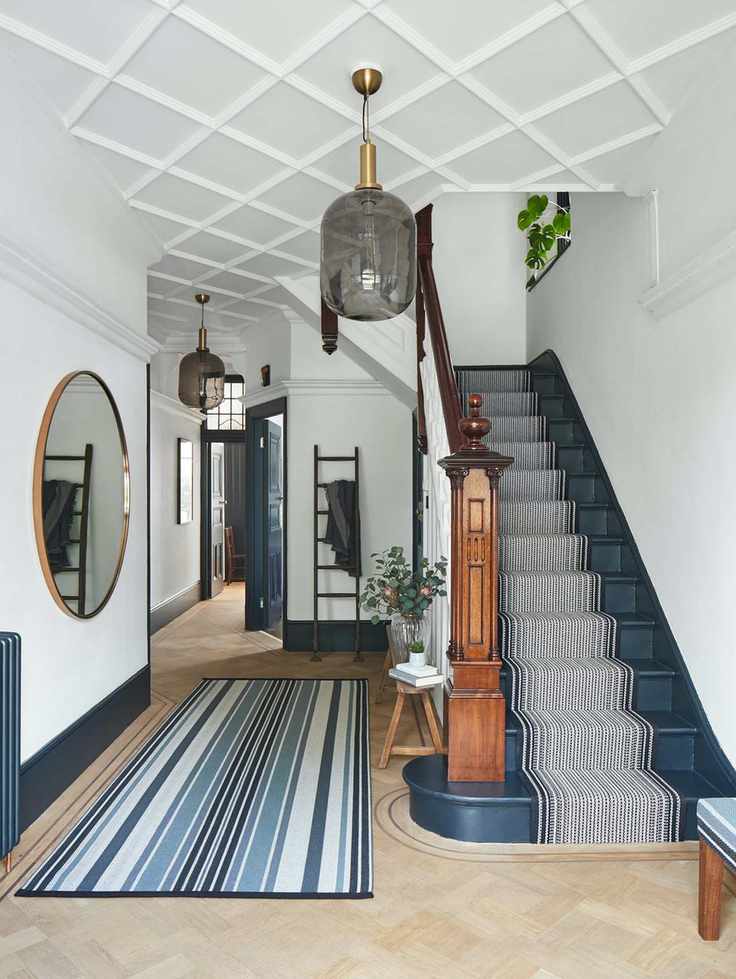
If you wish to add color, consider using it on the staircase instead of the walls. 'A bold staircase color against neutral walls makes a strong statement,' notes a color specialist. 'A color-blocked staircase can draw attention and lead the eye to other rooms.'
For stairwell ceilings, choose a specialized ceiling paint that is “dead flat” to minimize imperfections and splatter, advises a professional expert.
When painting stairwell walls, choose a washable or scrubbable formula to withstand marks from hands and shoes. In busy households, paneling can help protect walls.
Techniques for Effective Stairwell Painting
Even with access challenges, stairwell painting is similar to painting any wall. Fill holes and cracks beforehand. Lightly sand the walls (skipping new plaster) and clean with sugar soap.
For darker colors, apply a primer first. Use a roller or foam pads for quick coverage, employing a W pattern and overlapping slightly to prevent gaps. Utilize a paint tray with grooves to avoid overloading the roller or pad and practice your technique first.
Due to limited light in stairwells, consider setting up lamps or work lights to illuminate the area. Portable work lights with adjustable beams work best.
Painting High Ceilings Without a Ladder
'For standard staircases, we often use telescopic ladders that are supported by each step, which we recommend for DIYers as well. They’re compact and easy to store. Larger staircases may need an adjustable A-frame, but safety usually calls for scaffold supports,' shares a professional decorator.
Painting the ceiling the same color as the walls can ease the pressure of achieving neat lines. We recommend using a foam roller on an extension pole and sourcing low-sheen ceiling paint to disguise uneven textures. Ensure your roller sleeve is high-quality and suited for your ceiling texture. Your local decorating center can assist you in finding the right tools.