It's been quite some time since I've encountered a truly minimalist home. As an interior design editor, I receive project submissions daily and converse with designers almost as frequently. In my two-decade career, this is the longest stretch without a completely pared-back home crossing my desk, which has been about four years now.
This observation begs the question: Is minimalism losing its appeal? And if it is, what design style is taking its place? 'To my delight, it does seem like minimalism is currently dead,' a cheerful Joa Studholme expressed recently. As the Color Curator at Farrow & Ball, she essentially sets the tone for how we choose to decorate. 'We're all yearning for something more maximalist, more grounding,' she added. I set out to discover what other designers thought about this shift and whether minimalism is truly as cold as its critics claim.
Where Have All the Minimalists Gone?

Minimalism began as a response to the overly decorative design trends of the 1950s. It was defined by bare countertops, stark white color palettes, and an absence of visible items. British designer John Pawson is often regarded as a pioneer of minimalism, though he wouldn't categorize himself that way. For decades, he has been refining decor, creating spaces that aren't entirely devoid of items but feature only the essentials on display.
Even Pawson is moving away from strict minimalism. 'I believe you only need what is essential, though that can be a challenging concept to define,' he states. 'We possess a set of silver Georgian forks that might be seen as more than necessary, yet they are wonderful. It varies based on how you live. Certain items are essential for a smooth life, but excess can create clutter. I have a shelf I wish to keep empty, but my family doesn't allow that—it often becomes a catch-all for keys and dog toys. I do tidy it once a week.'
Yes, even John Pawson has a 'stuff shelf.' It seems minimalism is indeed on its way out.
What Aspects of Minimalism Are Designers Adopting?

'You could argue that minimalism is dead,' suggests interior designer Lara Bates, founder of the studio Lara Et Al. 'However, that doesn't imply that spaces can't be tranquil. I aspire for homes to be vibrant and visually appealing while remaining comfortable.'
'In any home, it's essential to remember it's meant for someone to live in,' she continues. She believes a balance can be achieved, allowing for real-life interactions without a single glass disrupting the overall ambiance, while still providing the soothing atmosphere true minimalism intended. 'A home can be filled with color and character yet still feel calming,' she asserts.
Bates recommends using a technique she calls color drenching, applying neutral shades to both walls and ceilings to create a cocoon-like effect. This method borrows from minimalism's principle of maintaining uninterrupted sight lines, even if it strays from the stark white aesthetic that traditional minimalists favored.
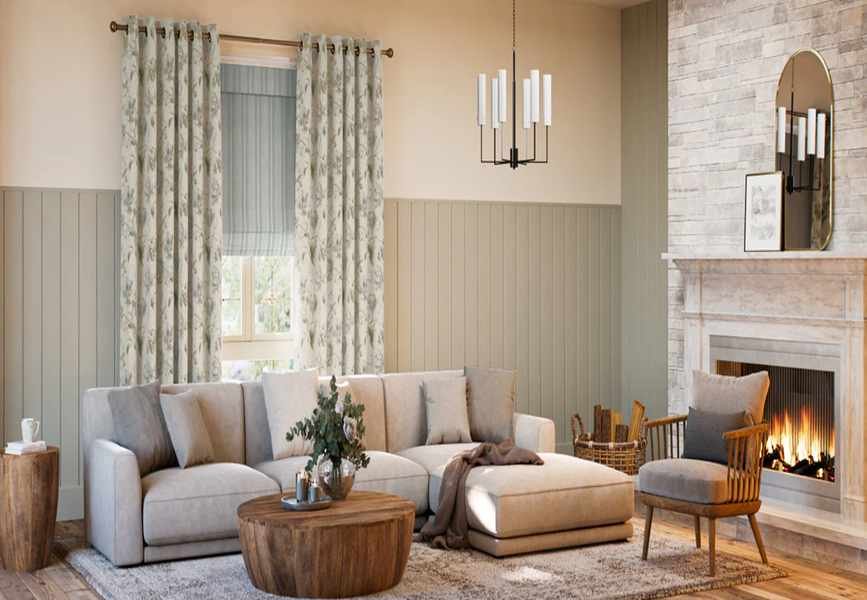
The room displayed above exemplifies the modern take on 'maximalism'—not overwhelming, devoid of clashing patterns, yet rich in color and visual interest.
Is Minimaluxe the New Minimalism?

'Minimaluxe' is a term I coined to describe the emergence of warm minimalism prevalent in today's designs. It isn't genuinely minimalist; it features items on display, colors on walls, and textured surfaces. However, it's characterized by moderation in all these elements.
If color is present, it's either used sparingly or as an all-over application, ensuring it doesn't clash with other elements. If items are displayed, they have ample space around them to avoid a cluttered feel. And when a rough texture (like on a wooden coffee table) is included, it's often balanced by a smoother surface nearby.
Interior designer Dannielle Siggerud is a bright star in the minimaluxe movement. She designed the dining room shown above, which could never be classified as truly minimalist due to the presence of those plates. 'I eliminate unnecessary elements, distilling the room down to its essence, allowing the lighting, doors, fixtures, and storage to form part of the structure,' she explains.
So far, so minimal. But here's where it diverges. 'Everything meant to be touched receives considerable attention, infusing warmth and personality into the space,' she adds. In the past, minimalism frowned upon warmth and personal touches. 'I'm also mindful of using materials that age beautifully—this way, the space evolves alongside its inhabitants, reflecting the traces of lived experiences,' she notes.

'I enjoy working with natural materials, particularly stone and wood,' Danielle shares. 'The goal is to establish balance and highlight the qualities of each material. By contrasting elements—such as cold and warm, smooth and textured—the materials and the space enhance each other. Natural materials, especially those that have aged, add warmth, character, and emotion. Items crafted from synthetic materials can often feel emotionally distant and less relatable, which I try to avoid.'
She further expands the minimaluxe palette. 'Metals and tougher textures like stone are typically more durable, so they should be used on surfaces you frequently interact with, such as refined lever handles, bathroom faucets, and stainless-steel kitchen countertops, yet they can also be applied in unexpected ways,' she advises. 'Although stone is usually linked with a cold feeling, organic shapes can soften its perception.'
Does Minimalism Still Exist?

Vincent Van Duysen is another designer associated with minimalism who has embraced a broader array of palettes in his work. 'I aim to use colors, finishes, and materials that soothe and uplift the spirit,' he explains. 'There are no universal rules, but in my experience, organic and all-natural materials with neutral tones are essential for achieving such goals. The same applies to furniture; I suggest selecting timeless designs made from tactile and inviting materials, including accessories.'
He designed the home showcased above, which, although minimalist in appearance, features textured walls and contrasting materials that elevate it beyond traditional minimalism.
Ultimately, while minimalism may be overshadowed by a trend towards cherished items and a preference for tactile warmth, many of its fundamental principles endure: a desire for serene living spaces, a push to eliminate clutter, and a palette of colors that offer a calming presence.