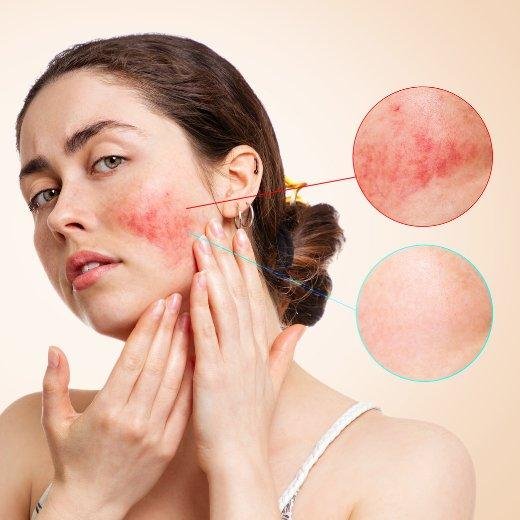
We've all experienced those days when our skin appears red and irritated. That's known as skin inflammation, a common yet manageable issue. If you're seeking relief, you're in the right spot to explore the causes behind skin inflammation.
Understanding Skin Inflammation
Skin inflammation occurs as a response from your immune system. Essentially, your body detects a potential threat and sends white blood cells to the affected area. This heightened blood flow can result in redness and swelling.
However, the immune system can sometimes overreact. Inflammation might arise when there's an actual threat, but other times it can occur without one. Regardless, we want calm skin, so reducing inflammation is key. This could involve removing the irritant or addressing the triggers that shouldn't provoke a response.
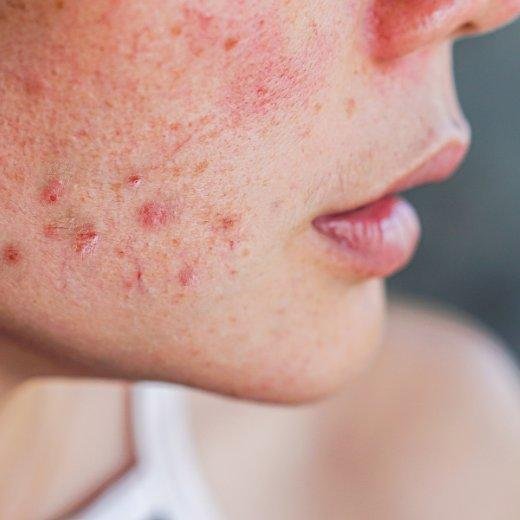
Common Triggers of Skin Inflammation
To effectively manage inflammation, it's essential to understand its triggers. Let's explore some of the most frequent culprits.
Bacterial and Viral Infections
Your immune system works overtime when it detects bacteria, viruses, or fungi on your skin. In these cases, inflammation is a protective response to fend off the threat.
Consider that your makeup brushes may harbor bacteria if not cleaned regularly, transferring these germs to your skin. Makeup and skincare products can also be problematic, especially if they're past their expiration date.
Allergic Reactions and Irritants
An allergy occurs when your body perceives a harmless substance as harmful, prompting it to react vigorously. This can happen through contact with allergens like nickel or certain fragrances, resulting in skin inflammation. That's why fragrance-free products are often preferred.
Similarly, irritants—though not allergens—can trigger an immune response. Harsh chemicals found in some cleaning products and detergents frequently cause irritation.
Sun Damage
If you notice redness after a day spent in the sun, it may not just be sunburn. Your skin could be inflamed due to sun damage as it attempts to heal itself. Some individuals, especially those with conditions like rosacea or lupus, may experience heightened sensitivity.
Dietary Influences
Your diet can also impact inflammation levels. Certain foods and beverages might trigger skin responses, showing that diet plays a crucial role. Common offenders include sugar, caffeine, alcohol, tobacco, dairy, and gluten.
Autoimmune Conditions
Some health conditions can lead your immune system to react inappropriately, attacking healthy cells. This is true for psoriasis and celiac disease. If you suspect such conditions might be influencing your skin, consulting a healthcare professional can aid in managing symptoms.
Managing Skin Inflammation
Now that you have a grasp of potential causes, what steps can you take? Identifying patterns is beneficial. Does inflammation arise after specific foods or activities? Does it improve when certain products are removed from your routine? These observations can help pinpoint triggers.
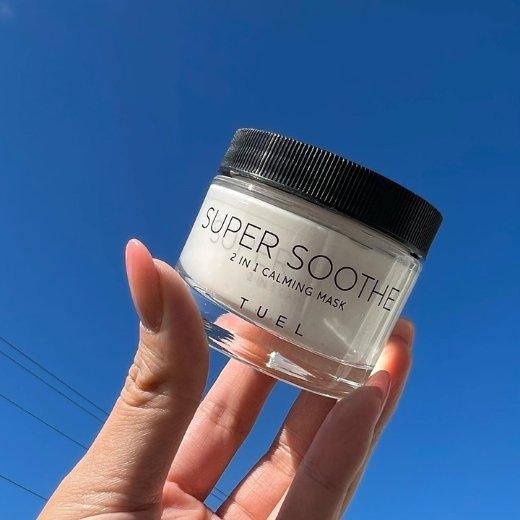
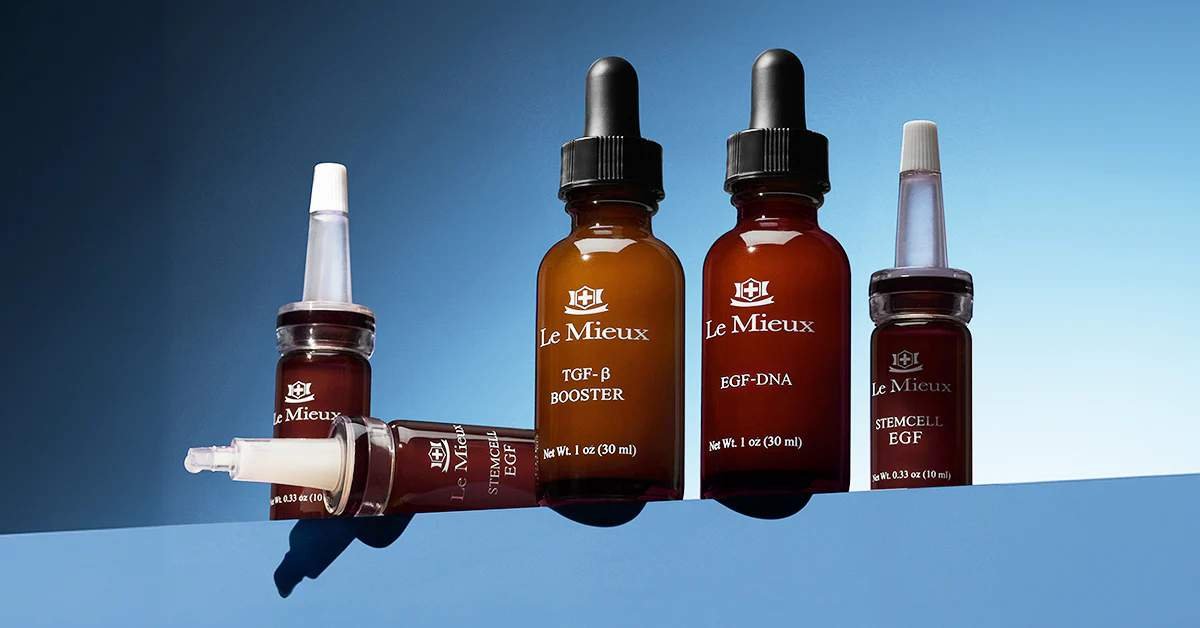
Meanwhile, there are products designed to alleviate inflammation. Consider trying a restorative cream like GlyMed Plus Recovery Cream with Arnica. A calming mask, such as the Tuel Super Soothe 2 in 1 Calming Mask, can also offer relief. Combining soothing treatments with identifying and eliminating triggers can help you achieve the calm skin that you desire.