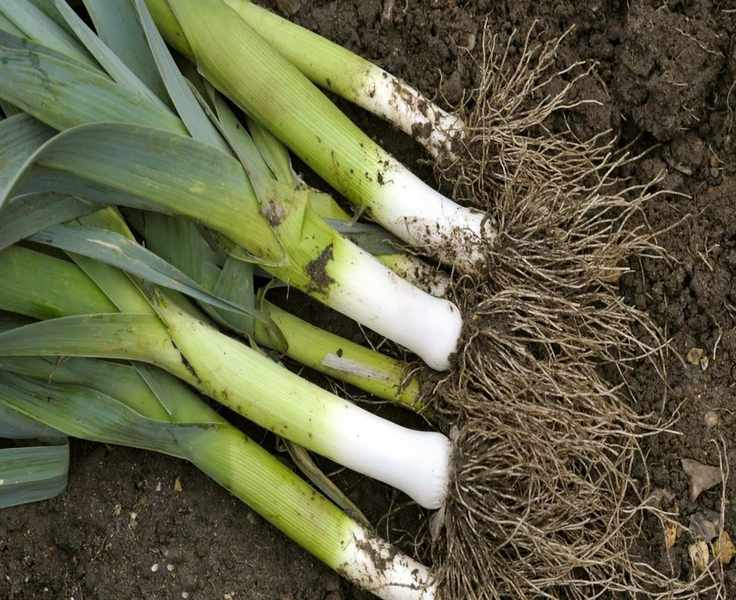
Leeks are an excellent vegetable that can provide a harvest for up to eight months, making them a staple for winter meals. With proper planning and by growing various types, you can enjoy leeks from summer through spring.
Growing leeks is straightforward, starting with sowing seeds in mid-spring and transplanting seedlings into the garden by early summer. Baby leeks, which are harvested when they reach pencil thickness, are also gaining popularity.
I've cultivated numerous leeks in kitchen gardens, as they are highly sought after by chefs and consumers alike. In fact, leeks were a favorite of a Michelin-star chef I supplied. Harvesting leeks is uncomplicated, but care is crucial to avoid harming the stems.
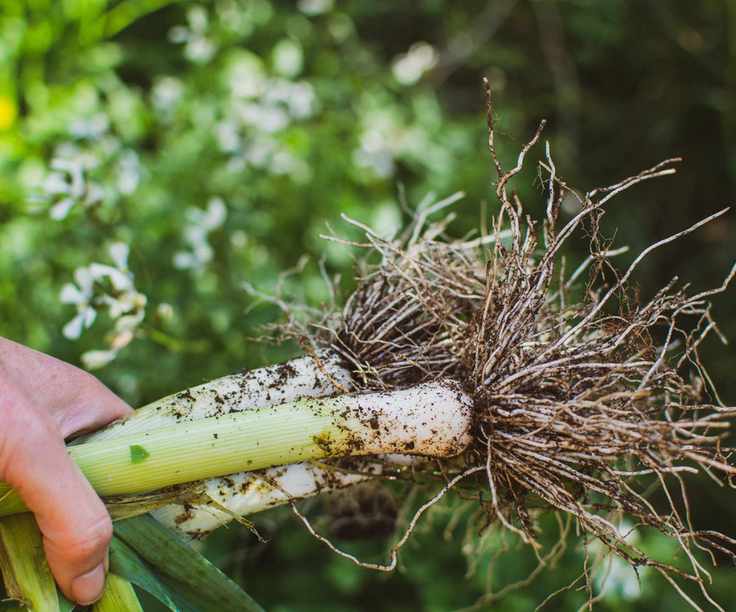
Enjoy leeks fresh from your garden, with a prolonged harvest season.
Timing for Harvesting Leeks
Leeks come in various types, each affecting when they should be sown and harvested. They are generally categorized into early, mid, and late varieties based on their maturity.
While some people cultivate baby leeks that can be ready in as little as 60 days, most leeks are grown to full maturity, which takes up to four months from sowing to harvest. Early leeks are ready by late summer, mid-season varieties can be harvested into winter, and late-season leeks extend into spring.
With smart planning, it's possible to harvest leeks from August through April. Early varieties feature long, slender stems and can be picked as young vegetables in late summer. As winter approaches, the varieties become hardier with darker green leaves and continue to produce into spring.
Harvestable leeks should display thick, white cylindrical stalks measuring 18-36 inches (45-90 cm) tall and 1-2 inches in diameter. Always refer to the seed packet for the best size to pick. For the freshest flavor, it's ideal to lift leeks as needed.
Lucy has extensive experience as a Horticultural Advisor and has served as Head Gardener for a large estate, while contributing to various publications and writing a book on vegetable cultivation.

Hardier varieties can remain in the ground all winter.
Techniques for Harvesting Leeks
Begin lifting leeks as soon as they reach a usable size. It's best to use garden tools like a fork to avoid damaging the plants. Avoid pulling them by hand, as this can risk tearing the leeks, especially if the soil is compacted in winter.
Insert the fork a few inches from the stem to gently leverage the leek out of the ground. This technique minimizes the risk of damaging the stems. Being rough during harvesting can lead to mistakes that compromise your harvest.
If you want to allow some leeks to grow larger, consider harvesting alternate leeks, creating space for the remaining ones to develop.
After harvesting, remove excess soil from the leeks and rinse them thoroughly to eliminate any grit. Leaving some roots attached can help maintain freshness.
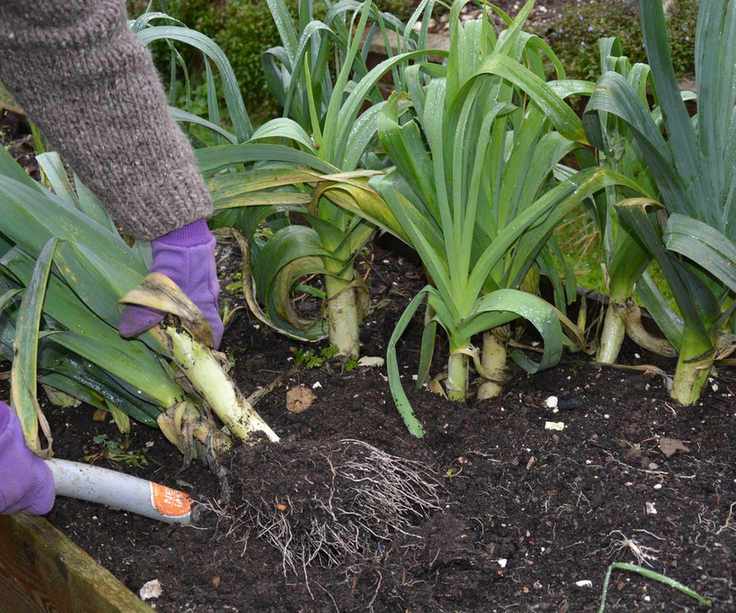
Use a fork to carefully lift leeks from the ground without damage.
Storing Leeks Post-Harvest
Trim the leeks before storage. Use clean, sharp pruning shears to cut the roots but avoid removing them entirely, as they aid in moisture retention. You can also trim off any unattractive outer leaves and cut back the tops that are less palatable.
Leeks can be refrigerated for up to two weeks, ideally wrapped in a plastic bag to contain their odor. Alternatively, you can partially bury them in sand in a cool, dark location at around 32°F, where they can be stored for a couple of months. Use larger leeks first, as smaller ones tend to keep longer.
Frequently Asked Questions
Can leeks remain in the ground during winter?
If you lack a cool storage area, leaving leeks in the ground is an effective option for winter storage. Hardier varieties can survive in the ground through winter into spring.
Can leeks be left in the ground too long?
Early-season leeks are less hardy and should be harvested before winter. Leaving them too long can cause them to flower, resulting in tough, inedible stems.
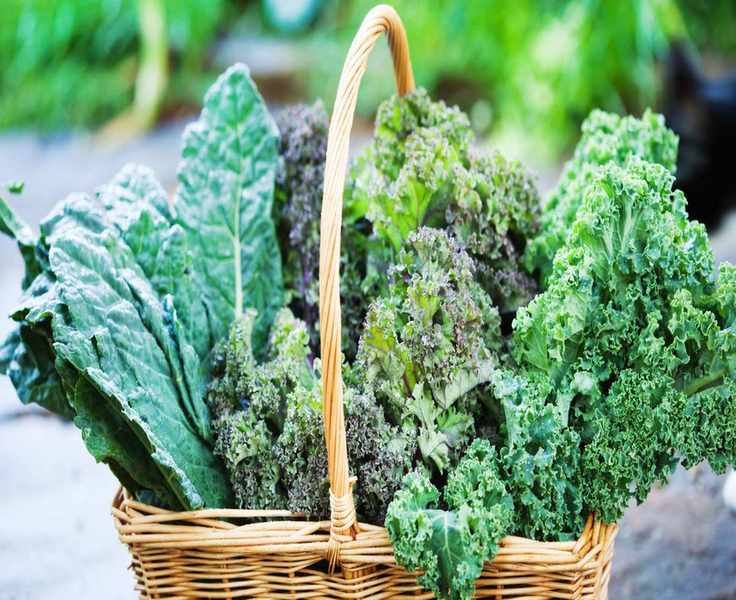
Leeks thrive in sunny spots with well-drained soil enriched with compost or well-rotted manure. They also work well in companion planting, as their scent can deter various pests, making them a great partner for plants like kale.