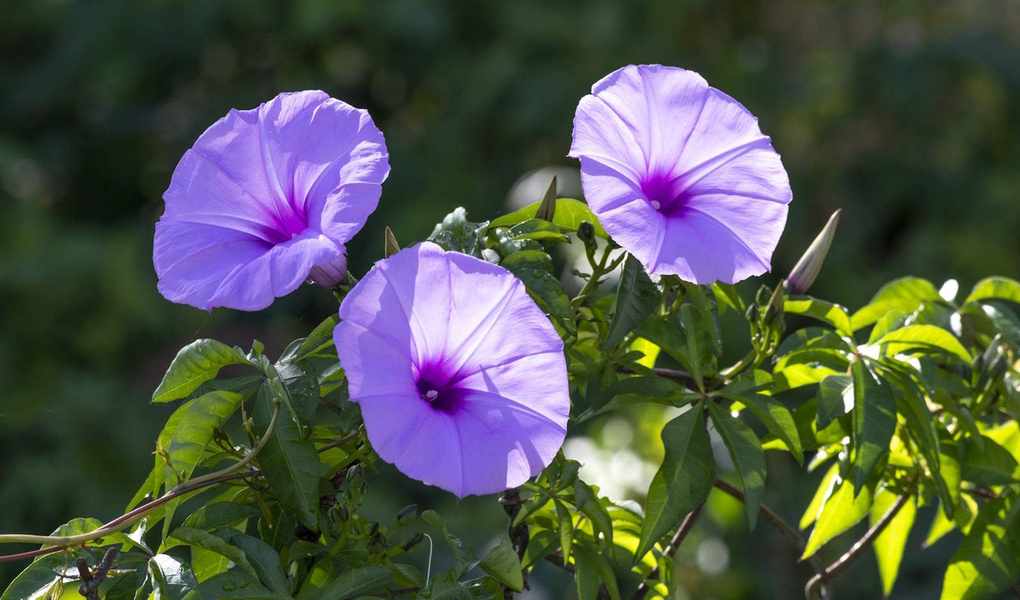
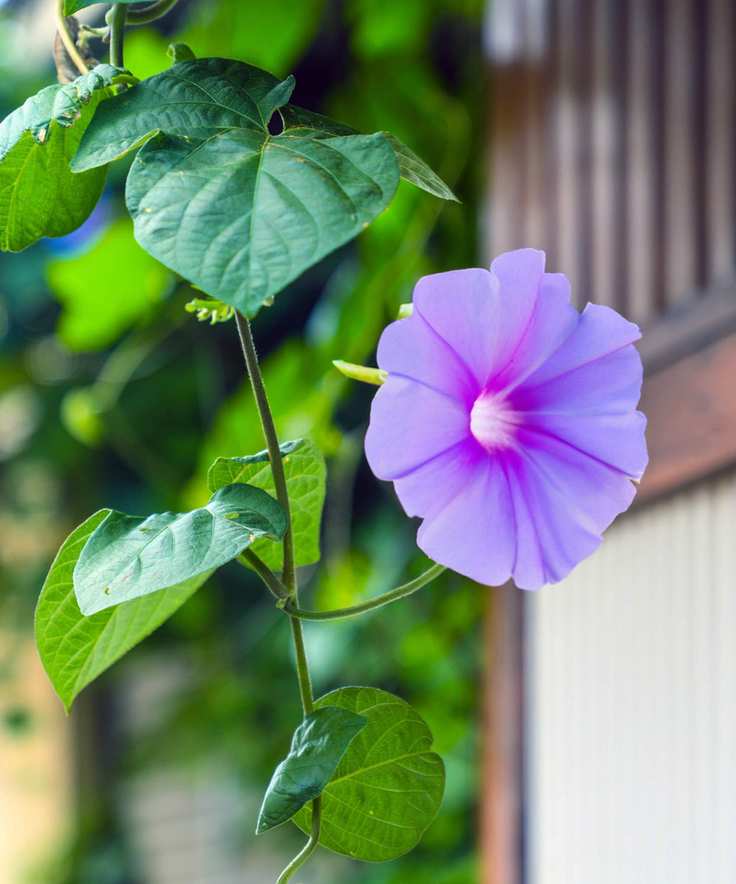
Morning glories are vibrant, fast-growing vines celebrated for their trumpet-like flowers. Native to Central America, these blossoms attract butterflies and hummingbirds, featuring colors like pink, blue, and white.
These annuals are simple to grow and maintain, making them a favorite among gardeners. Their sensitivity to cold means that your planting strategy may need to shift based on your climate.
If you're looking for a climbing plant that can adorn a fence or trellis, morning glories could be your ideal choice. Seeds are affordable, readily available, and easy to plant, with blooms lasting until the first frost.
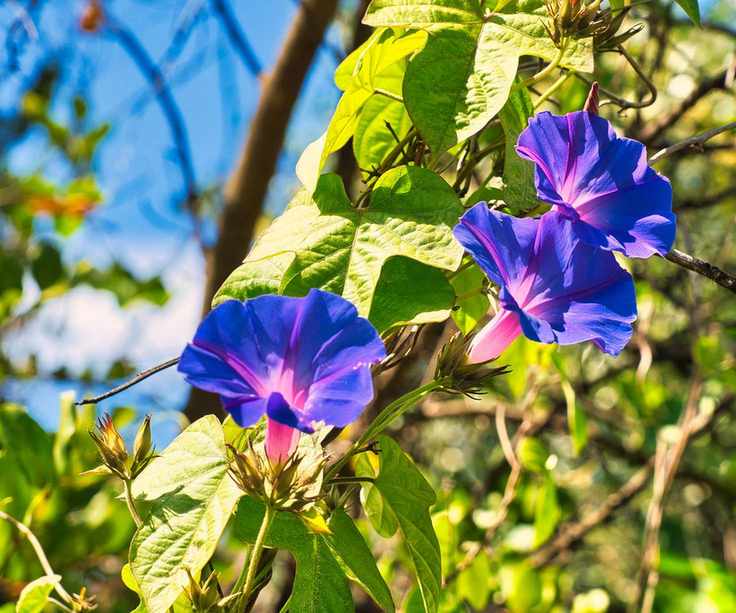
These vines can reach heights of 6-10 feet in a single season.
Learn to Grow Morning Glories
If you're eager to incorporate morning glories into your garden design, we'll guide you through the seed cultivation process and how to care for your plants throughout the growing season.
Morning glories thrive in both flower beds and containers, showcasing a spectacular array of blooms. However, it's important to remember that these plants are toxic to pets and humans.
Starting Morning Glories from Seed
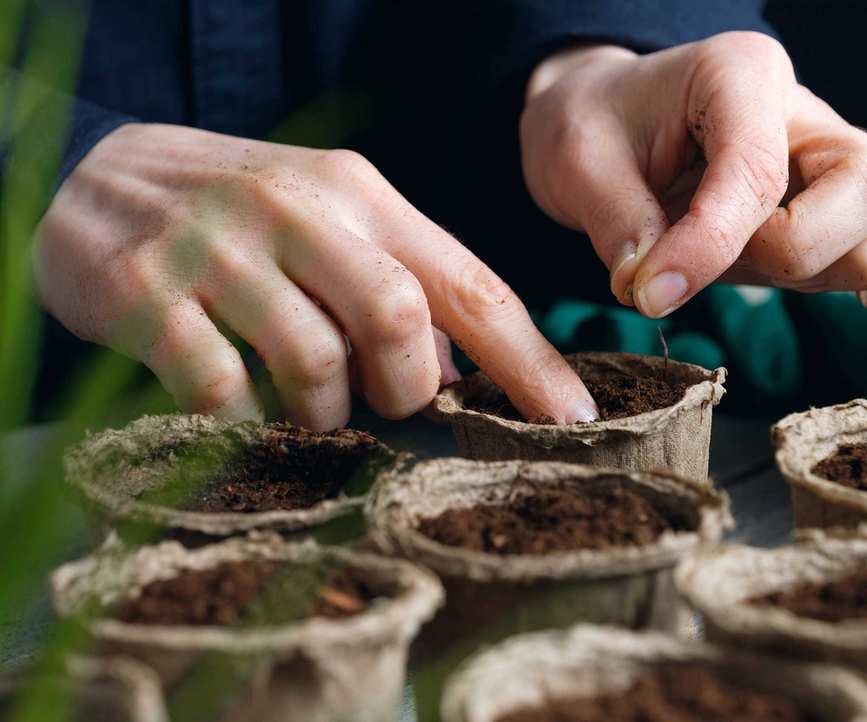
Morning glory seeds possess a tough outer shell.
With a long growing season, it can take over three months for morning glory seeds to bloom. Thus, your sowing schedule should align with your US hardiness zone. In cooler areas, starting seeds indoors can give you a head start.
To enhance germination, nick the seeds' hard coating and soak them in warm water overnight. A nail file works well for this task.
When sowing seeds indoors, begin 4-6 weeks before the last frost. Use trays or pots filled with potting soil, covering the seeds with a quarter-inch of soil. Position them in a heated greenhouse or a warm windowsill, ensuring temperatures stay between 65-85˚F, and keep the soil moist but not soggy.
Once germinated, seedlings should be nurtured in a warm environment. Transplant them into separate pots after hardening off following the last frost, ensuring they're ready for outdoor planting.
In warmer climates, you can sow seeds outdoors after the frost risk has passed. Prepare the soil thoroughly, then plant the nicked and soaked seeds six inches apart, covering them with a quarter-inch of soil.
Morning Glory Giant Mixed Colors Seeds
These morning glories showcase large, uniquely patterned flowers that often span three inches.
Carnevale Di Venezia Morning Glory Seeds
A delightful mix of white-pink and white-blue ruffled blooms creates a carnival of enchanting colors.
Heavenly Blue Morning Glory Seeds
Heavenly Blue seeds produce towering morning glories, reaching 60-120 inches, adorned with numerous 2-inch sky-blue blossoms.
Optimal Planting Conditions for Morning Glory
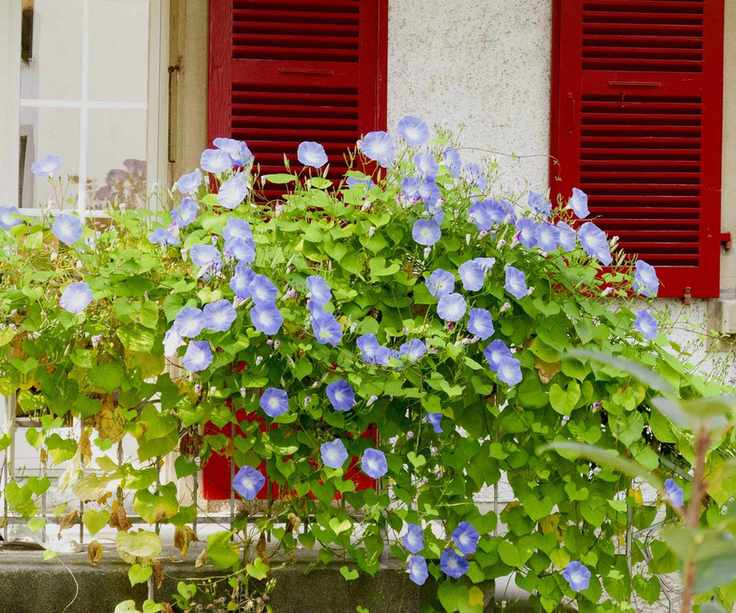
Morning glories climb fences and trellises rapidly.
These climbing plants thrive in sunny spots, ideally receiving six to eight hours of sunlight daily while being shielded from strong winds.
Gardening experts note that morning glories can tolerate partial shade. These plants flourish when grown on fences or trellises, adding a visually striking element to your garden. Other supports for climbing include obelisks, pergolas, or arbors.
Choose a fertile, well-draining soil type for planting. Enriching your soil with organic materials such as compost, well-rotted manure, or leaf mold improves nutrient content and moisture retention.
After planting, applying mulch helps conserve moisture and suppress weeds.
Caring for Your Morning Glories
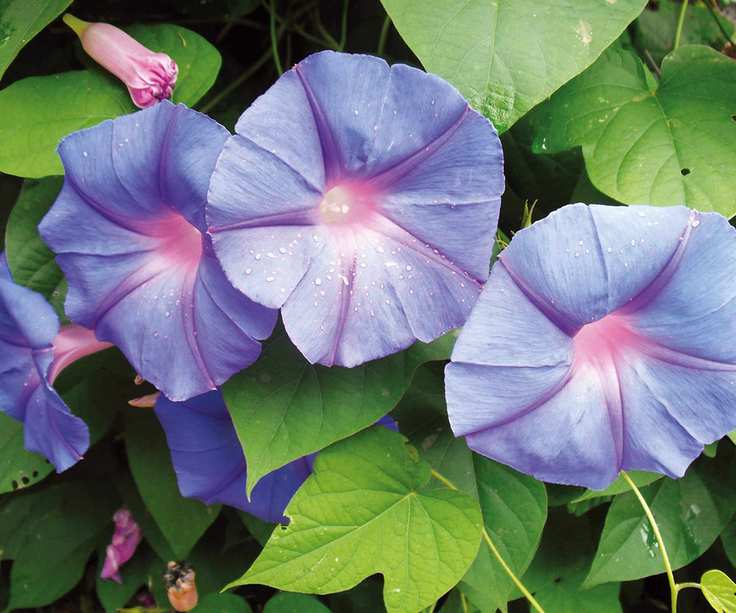
Morning glory flowers come in various colors.
Morning glories are generally low-maintenance but require some essential care to thrive.
Watering: Regular watering is crucial after planting, but once established, they only need water when the soil is dry. Aim for about 1-2 inches of water weekly. A soil moisture meter can help monitor their hydration needs. Avoid overwatering as morning glories do not thrive in soggy conditions.
Fertilizing: Applying a balanced slow-release fertilizer after planting promotes healthy growth. Once flowering begins, use a phosphorus and potassium-rich fertilizer every two weeks to encourage blooming, similar to fertilizers designed for tomatoes.
Training: Morning glories need a climbing support installed at planting time. They can grow up to 10 feet in a season, so ensure they have ample space to reach their full potential.
Deadheading: Regularly trim off spent flowers with clean pruning shears. This practice encourages more blooms and prevents self-seeding, keeping your garden tidy.
Growing Morning Glory in Containers
Morning glories in hanging baskets can trail beautifully.
Morning glories adapt well to container gardening, making them ideal for decks, patios, or balconies as temporary screens. They can also thrive in hanging baskets, cascading over the edges.
Experts suggest using containers that are at least 18 inches in diameter, filled with quality potting soil. Sow seeds indoors or outdoors, spacing them about six inches apart.
Ensure the pot is near a trellis or add a support structure within the container for the vines to climb. Regularly check moisture levels and apply liquid fertilizer every few weeks to maintain blooming.
Metal Planter With Trellis
This lightweight metal planter serves as a flower trellis, outdoor privacy screen, and raised garden bed, making it perfect for growing morning glories in limited spaces.
Frequently Asked Questions
Can morning glory grow indoors?
Yes, morning glories can thrive indoors in sunny spots like porches. Dwarf types, such as cotton candy morning glory available at Burpee, reach about six feet tall, making them suitable for indoor containers. They require at least six hours of direct sunlight, and LED grow lights may be necessary for additional light.
Will morning glory come back?
These tender annuals usually complete their lifecycle in one year. However, in warmer areas, they can behave like perennials in US hardiness zones 9-11. They readily self-seed, meaning they may return the following year if left to set seed.
Morning glories are famous for their ability to self-seed. For more control over their growth, you can collect seeds from the plants once the pods harden and turn brown. Store these seeds for planting next spring.