Broccoli rabe is a distinctive vegetable that isn't often featured in traditional vegetable garden setups. Though it may not be widely recognized, this speedy-growing plant allows for multiple harvests throughout the year.
Known also as broccoli raab or rapini, this plant is entirely edible, from its central head and side shoots to its leaves and stems. It's an exciting option for gardeners looking to expand their vegetable variety.
My introduction to this crop came during my time as a gardener at a thriving vegetable garden at Soho Farmhouse in the UK. This kitchen garden supplied fresh produce for the on-site restaurants, including broccoli rabe, which we harvested for chefs throughout the winter months. Here's what I've learned about growing broccoli rabe, complemented by insights from an expert horticulturist.

Broccoli rabe is rich in vitamins and minerals, including potassium
Understanding Broccoli Rabe
No matter the name, broccoli rabe resembles broccoli but is actually related to turnips. This fast-growing vegetable features edible buds and leaves that have a unique bitter yet nutty taste. Rich in vitamins, it's a staple in Mediterranean cooking.
When and Where to Plant Broccoli Rabe
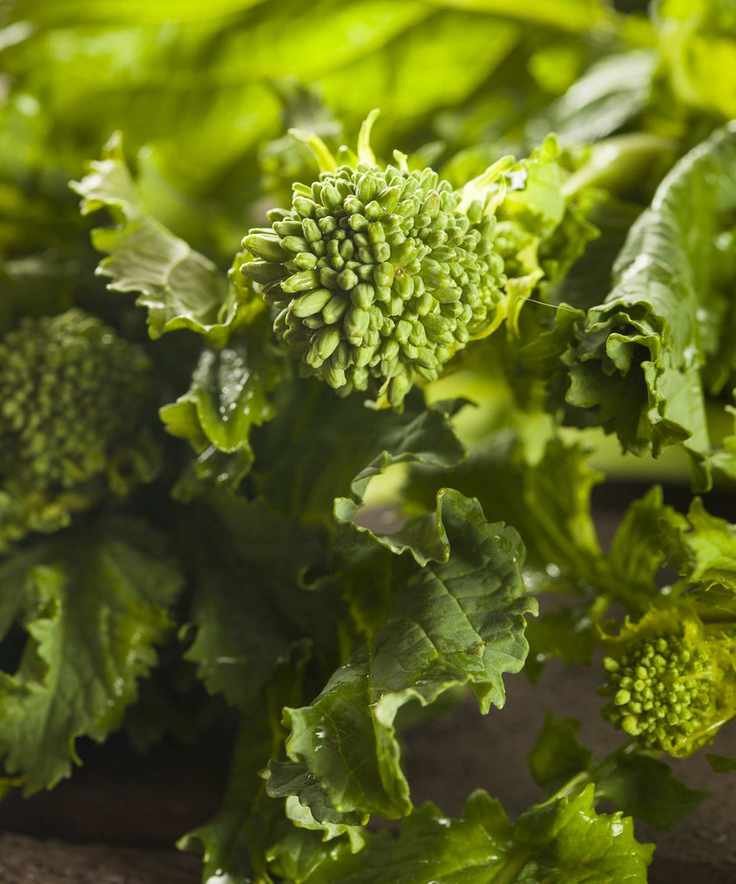
Grow broccoli rabe for bitter and peppery harvests of florets, stems, and leaves
Broccoli rabe thrives in cooler weather, so there are optimal times to plant both in spring and late summer or early fall. The plants tend to bolt when summer temperatures rise, so when creating a seed sowing schedule, ensure broccoli rabe has adequate time to mature, especially in warmer US hardiness zones.
Your local frost dates will influence when and where to plant broccoli rabe. While the crop grows best when sown directly into the soil, you can also start seeds indoors in cooler climates.
Amy Enfield, an experienced horticulturist, suggests: 'For spring planting, begin seeds indoors approximately 3-4 weeks before the last expected frost date, or direct sow them in the garden around 4-6 weeks before the last frost date, as soon as the soil is workable.
'For late summer or early fall planting, start seeds 8-10 weeks prior to the first frost,' Amy adds. This timing should yield harvests starting in mid-fall.
Choose a sunny location in your kitchen garden, as broccoli rabe requires at least six hours of sunlight daily. While it can tolerate light shade, it prefers some protection in warmer areas.
This plant thrives in rich, well-draining soil. Before planting, mix in compost or well-rotted manure to enhance soil fertility and provide the necessary nutrients for the season. Additionally, mulching around the plants helps retain soil moisture and prevent weeds from competing.

Amy boasts over 25 years of experience in the gardening industry and has been with ScottsMiracle-Gro for 12 years. She holds a BS and MS in Horticulture from Michigan State University and a PhD in Plant and Environmental Sciences from Clemson University.
Growing Broccoli Rabe from Seed
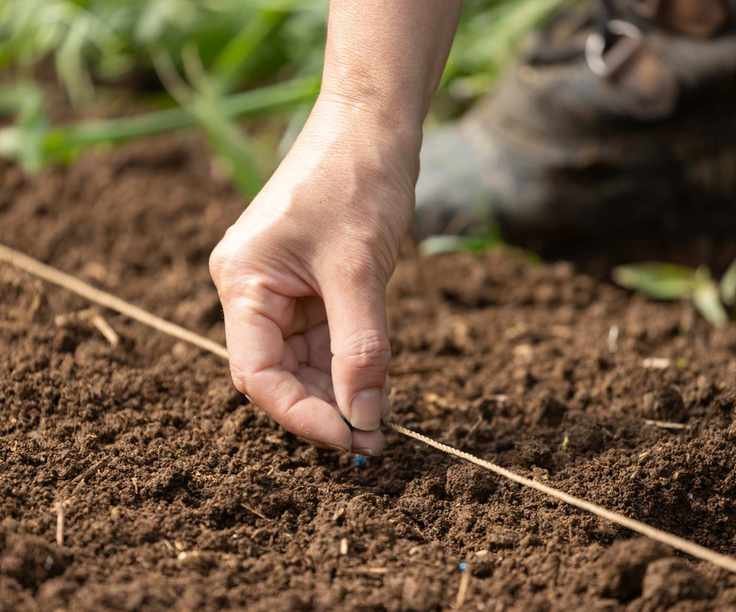
Sowing seeds directly is a successful method of growing broccoli rabe
For the best results, it's advantageous to sow seeds directly outdoors whenever possible. The plant's delicate roots can be sensitive to disturbances during transplanting. Sow seeds about a quarter-inch deep and space them 2-4 inches apart in rows that are 18-24 inches apart. Once seedlings are a few inches tall, thin them to 4-6 inches apart to allow for proper growth.
If you reside in a cooler climate, sowing seeds indoors can also be effective. Use large transplant trays or individual pots, placing 2-3 seeds in each cell or pot. Larger containers minimize root disturbance during transplanting. Biodegradable pots, available at Amazon, are recommended for the same reason, as you can plant the entire pot.
Seeds germinate best at temperatures between 60-75°F, whether in a greenhouse or on a warm windowsill. Be sure to harden off seedlings before planting them outside and give them space of at least 12 inches apart.
Where to Buy Broccoli Rabe Seeds

Spring Broccoli Rabe Seeds
A variety that matures very quickly from seed and produces green shoots with a captivating flavor.

Early Fall Broccoli Rabe Seeds
This variety thrives when planted in early fall but can also be grown in spring and summer.

Sorrento Broccoli Rabe Seeds
This variety produces uniform heads and reliable yields, featuring blue-green leaves and a turnip-style, arrow shape.
Maintaining Your Broccoli Rabe Plants

Broccoli rabe will resprout more side stems after harvesting
The key maintenance task for broccoli rabe is to monitor watering. Amy Enfield advises keeping the soil 'consistently moist' during the initial growth stages. 'Aim for about 1-2 inches of water weekly,' she recommends. 'The soil should be as moist as a wrung-out sponge. If it becomes too wet, the plants risk rotting.'
Increase watering during hot, dry spells and be mindful of how you water. Focus on watering at the base of the plant and practice deep watering. Soaking the leaves can lead to fungal diseases, while light watering can leave plants vulnerable during dry periods. A soil moisture meter can be useful for maintaining even moisture throughout the growing season.
Broccoli rabe also benefits from protective measures against pests like aphids, flea beetles, slugs, snails, cutworms, and cabbage worms. Effective preventative strategies include covering young plants with row covers and using companion planting aromatic herbs nearby to deter pests. Insecticidal soap, available at many retailers, can help manage aphid infestations.
Harvest broccoli rabe when the plants reach about 12 inches in height and the flower heads are roughly an inch wide. Use a sharp knife or pruning shears to cut the heads. Regular harvesting encourages the growth of more side shoots.
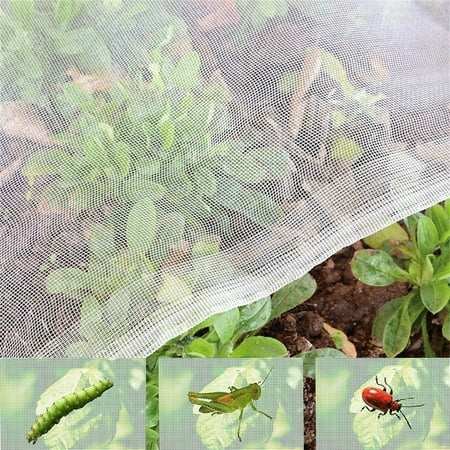
Garden Insect Netting Pest Barrier
This fine mesh row cover protects plants from pests and birds while allowing air and water to nourish their growth.
Frequently Asked Questions
Can Broccoli Rabe Be Grown in Pots?
If you're curious about growing broccoli rabe in containers, you'll be pleased to know that it can thrive in a vegetable container garden. Use a large pot that is at least 24 inches wide and deep, ensuring it has drainage holes. Fill the container with high-quality potting mix and either sow seeds directly or transplant seedlings. Place the pot in a sunny location and remember that container plants require more frequent watering than those in the ground.
How Long Does It Take to Grow Broccoli Rabe?
Broccoli rabe is a fast-growing crop, taking between 40-90 days from sowing to maturity. The exact duration will depend on the variety and the climatic conditions throughout the growing season.
Another intriguing vegetable similar to broccoli is broccolini, a hybrid of European broccoli and Chinese broccoli. Also known as gai lan, aspabroc, tender stem broccoli, or baby broccoli, this plant yields a cluster of small shoots for harvest and can be highly productive. I cultivated broccolini for chefs at a Michelin-starred restaurant and created a guide on how to grow broccolini in home vegetable gardens.