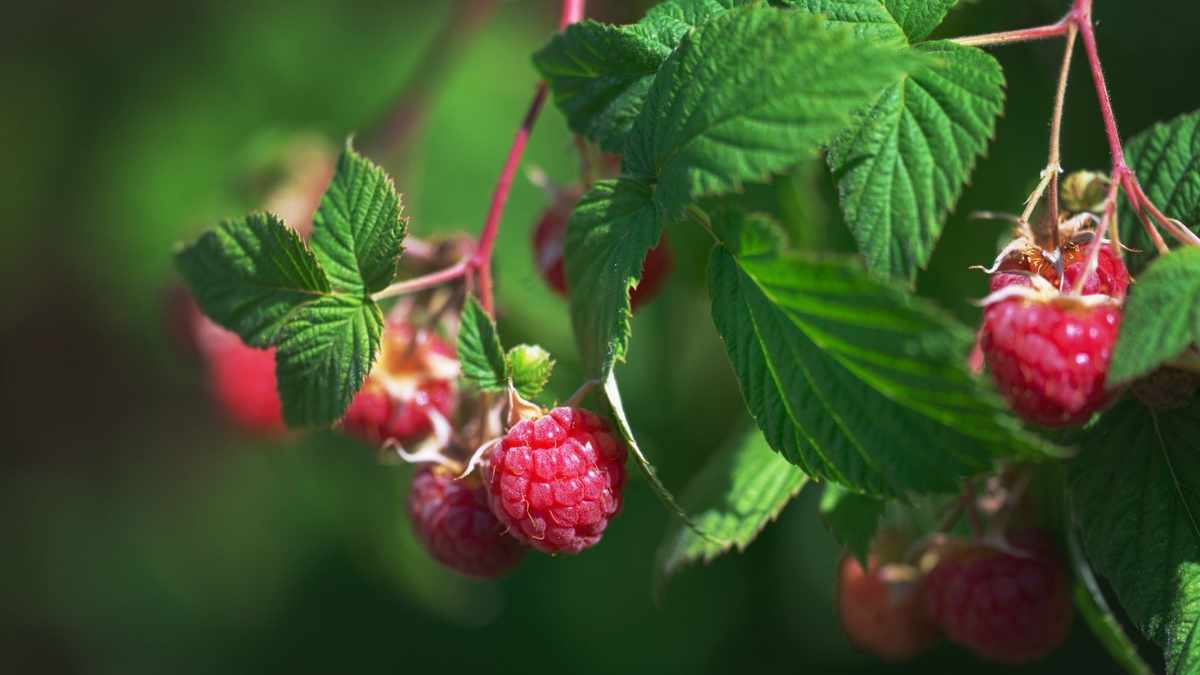
Knowing when to fertilize raspberries can significantly enhance the health and productivity of your plants, whether they're planted in the ground or in pots.
Proper fertilization is key to promoting healthy growth before the growing season begins. First, identify your raspberry type: summer-fruiting varieties yield from June to August, while fall-fruiting types are bushier and produce fruit in the fall.
We consulted gardening specialists to pinpoint the best times for fertilizing raspberry plants to maximize your harvest.
Optimal Fertilization Times for Raspberries
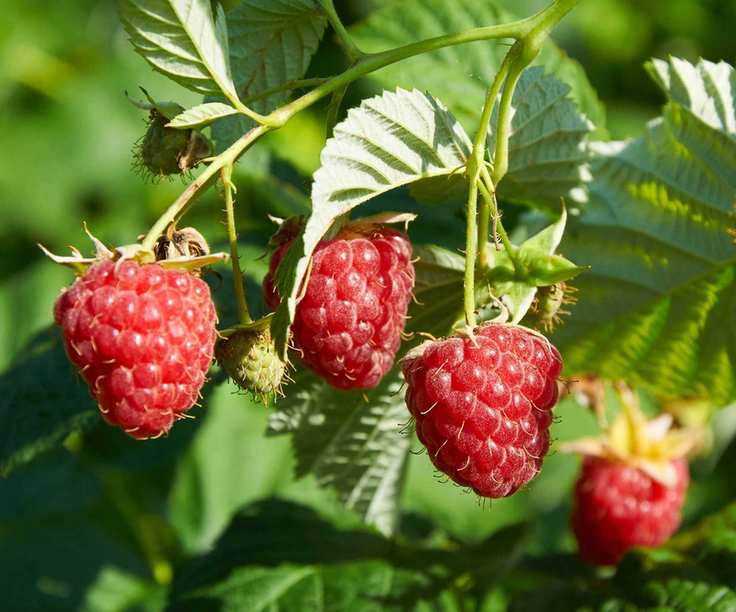
For summer-fruiting raspberries, fertilize in early spring as the plants start to awaken from dormancy. This nutrient boost is essential for new growth and setting fruit buds for the upcoming season.
Gardening expert Drew Swainston emphasizes that feeding both summer and fall varieties in spring is crucial as new growth emerges. Feeding with compost or well-rotted manure at planting or during transplanting can enrich the soil and suppress weeds. Always use well-rotted manure to avoid harming the roots.
A second round of fertilization should occur in early summer to encourage the growth of canes that will bear next year's fruit, particularly in summer varieties.
Lindsey Hyland from Urban Organic Yield suggests that early summer feeding should happen right before the berries begin to ripen. However, she cautions against late fertilization, which can lead to excessive vegetative growth at the cost of berry production.
Feeding raspberries too late in the season can make them vulnerable to winter damage.
If you're cultivating raspberries in pots, they'll need a more rigorous feeding schedule. Start with a slow-release fertilizer at planting and follow up every two weeks with a high potash fertilizer from April through September.
When planting raspberry canes, enrich the soil with homemade compost or well-rotted manure. Including a balanced slow-release fertilizer at the time of planting gives the plants a nutritious boost.
Established raspberries should receive a balanced fertilizer in spring, ideally with equal parts nitrogen, phosphorous, and potassium, such as 10-10-10 or 20-20-20.

Drew has a background in journalism and horticulture, having worked as a professional gardener focusing on kitchen gardening.

Lindsey, an expert in organic farming, shares her gardening experiences through her platform.
Choosing the Right Fertilizer for Raspberries
Zahid Adnan, from The Plant Bible, advises conducting a soil test to identify the nutrient needs of your raspberry plants before purchasing fertilizer. A soil test can reveal deficiencies and help you tailor your fertilization approach.
As noted, raspberries thrive on balanced fertilizers with equal levels of nitrogen, phosphorous, and potassium, such as a 10-10-10 mix.
Anna K Ohler of Bright Lane Gardens adds that organic options like compost and well-rotted manure are excellent for raspberry plants. Homemade natural comfrey fertilizer can be mixed with water and applied, or consider organic slow-release granular fertilizers.
Drew mentions that bone meal, blood meal, fish emulsion, and chicken manure pellets are also effective solutions.

Zahid manages a sustainable agricultural project focusing on urban farming practices.
After starting out as a hobby gardener, Anna now consults on landscape design and operates a full-service plant nursery.
FAQs
What's the best time to fertilize raspberries?
The ideal times to fertilize are early morning or late evening when the sun isn't shining on your garden. Avoid fertilizing right before significant rainfall for better absorption.
Effective fertilization hinges on timing, especially as plants show signs of new growth.