
My first encounter with a diaphragm was in an episode of Sex and The City, where Carrie, played by Sarah Jessica Parker, desperately needed birth control. She frantically searched her bathroom for a dusty container—an old-school diaphragm. This scene reflects the outdated image many have of diaphragms. However, as a birth control expert, I can confirm that diaphragms are experiencing a revival, and for good reason!
Let's break down what a diaphragm is, its history, how it operates, and whether it's the right fit for you. Ready? Let's jump in!
The Diaphragm's History
Created in 1842, the diaphragm was a widely used birth control method for over a century. It gained popularity in the U.S. thanks to birth control pioneer Margaret Sanger, who illegally imported diaphragms to women seeking control over their reproductive choices. In the early 1900s, access to birth control was illegal, illustrating how recent our options for family planning truly are.
While once a common choice, the diaphragm's use declined from the 1960s to the 1980s with the introduction of the pill and IUDs. Women, previously limited to a few options, now had access to hormone-heavy methods. But times are changing again. Women are increasingly considering their options, prioritizing natural methods and understanding how hormones affect their bodies.
Today, the emphasis is on finding what suits you. It's essential to explore your options, especially if your current method doesn't feel comfortable. Hormonal birth control works well for many, but it's not the only path.
Many seeking diaphragms prefer a hormone-free alternative due to side effects or medical reasons. The appeal lies in its user control—no more panicking about forgotten condoms. It's also budget-friendly, simple to use, and eco-friendly! Plus, diaphragms don't reduce sensation like condoms can, which is a significant advantage. Curious about this tried-and-true method? Let's see how diaphragms work and their effectiveness.
What Exactly is a Diaphragm?
Diaphragms are barrier contraceptives (similar to condoms) that require a prescription from a midwife or OB-GYN during an annual checkup. They can be reused for up to two years and are usually covered by insurance. Without coverage, expect to pay between $40 to $100 out of pocket. To maximize effectiveness, diaphragms must be used with spermicide, a substance that inhibits or kills sperm before they can reach the uterus.
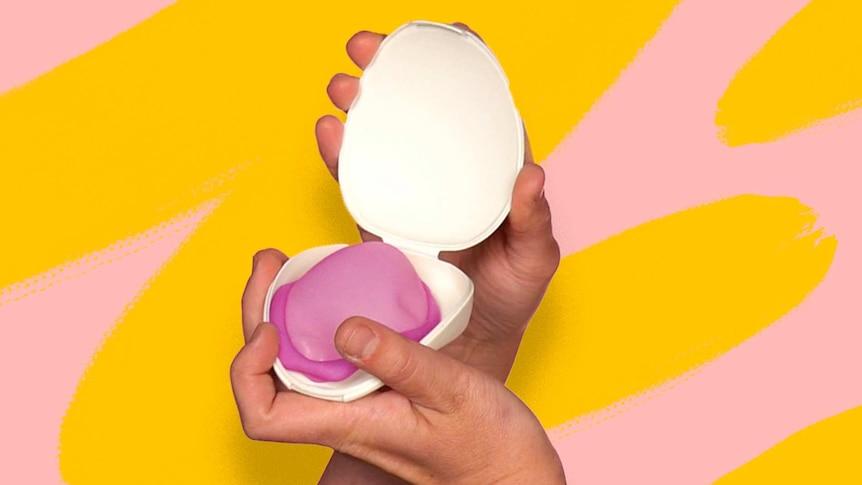
The diaphragm is a dome-shaped, flexible silicone cup. Inserting one feels similar to using a menstrual cup. It's designed to fit snugly in the vaginal canal, covering the cervix. When correctly positioned, users shouldn't feel it. Unlike condoms, diaphragms allow for more sensation during intercourse, but they do not protect against STIs. They are safe for breastfeeding and for those who can't use hormonal methods.
*Quick anatomy note: the cervix is a small, donut-shaped opening at the end of the vagina, allowing sperm to enter the uterus. Curious about what a cervix looks like? Check this article for visual references.
Using a Diaphragm
While each diaphragm may have specific instructions, the general steps are similar. Here's how I guide my patients:
- Hold the diaphragm like a cup, applying spermicide to the rim and inside.
- Squeeze it together to resemble a tampon shape.
- Position one leg on a toilet or chair, or squat or lie back, whatever feels comfortable.
- Insert the diaphragm, keeping it folded, into the vagina until fully in place.
- Once released, it will spring open around the cervix. Ensure it's deep enough in the vagina, with the front toward the pubic bone.
- Using two fingers, push the diaphragm up as far as possible to cover the cervix completely.
- When correctly positioned, it should feel similar to a menstrual cup or tampon—barely noticeable.
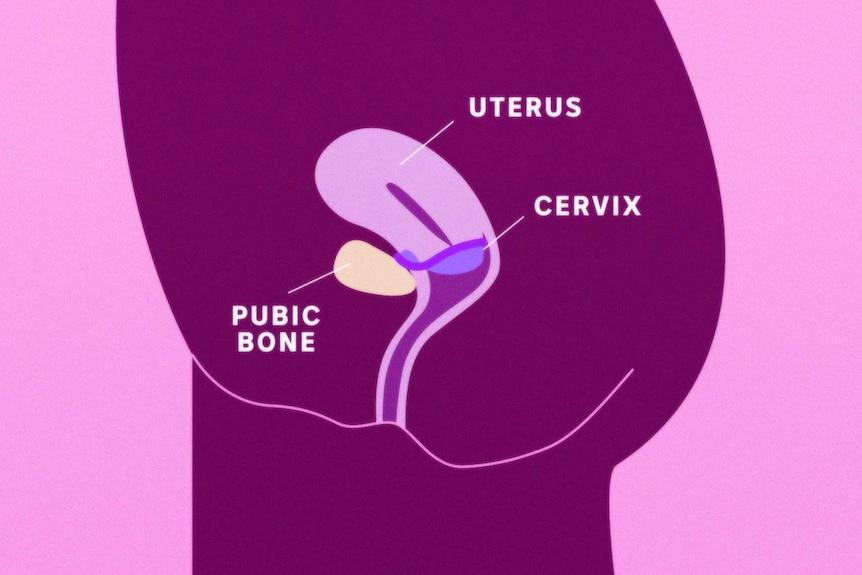
Image via ABC Everyday
Diaphragm Insertion: Common Questions
When to Insert
Insert the diaphragm with spermicide up to two hours before intercourse. It's best to do this when you're not already aroused.
When to Remove
Remove the diaphragm six hours post-intercourse. Taking it out sooner risks pregnancy, as sperm may still be viable.
If More Than Two Hours Have Passed
If you've inserted it earlier and intercourse occurs more than two hours later, leave it in. Just add spermicide again before sex.
What About Multiple Encounters?
You can engage in sex multiple times with the diaphragm in place, but remember to reapply spermicide every two hours. Don't remove it until six hours after your last encounter, and avoid leaving it in for more than 24 hours.
Oops! What if I Forget to Remove It?
Do not leave the diaphragm in for over 24 hours to minimize the risk of toxic shock syndrome. While rare, watch for symptoms and seek medical help if any arise.
Cleaning and Storage
After use, rinse the diaphragm with warm water and mild soap. Let it air dry on a paper towel or in its case with the lid open. Don't store it wet, and avoid using powder on it.
Can I Use Lubricants?
Yes, but only with water-based lubricants. Avoid oil-based or silicone-based options, as these can damage the diaphragm's effectiveness. Always check ingredient labels before use.

Effectiveness of Diaphragms
According to Planned Parenthood, diaphragms are 94% effective with perfect usage. However, with typical use, effectiveness drops to about 88%. This means that 12 out of 100 users may become pregnant within a year. Most issues arise from improper use or forgetting to use it consistently.
Choosing your birth control should align with your comfort level regarding pregnancy risk. For some, a 12% chance is acceptable, while for others, it's a dealbreaker. Consider using the diaphragm alongside cycle tracking, or pair it with condoms during your fertile window.
For a comprehensive comparison of various birth control methods, check out this FDA chart.
Download our cycle syncing planner to help manage your hormonal health.
Choosing a Spermicide
Traditional spermicide contains nonoxynol-9, which effectively kills sperm when used with a diaphragm. Some women may be sensitive to this ingredient. Here's a recommended natural spermicide option along with a widely available brand:
This natural spermicide alters vaginal pH to eliminate sperm. It's not FDA-approved in the U.S., but many clients have successfully used it.
This option contains nonoxynol-9 and is readily available at stores, featuring a pre-filled applicator for easy use.
I hope you've discovered more about this classic yet revitalized birth control option! It may be a great choice for you or someone you know. While non-hormonal methods are limited, with practice and careful timing, diaphragms can be an effective means of maintaining control without sacrificing sensation. If you're curious about trying one, ask your healthcare provider about the Caya diaphragm, a one-size-fits-all solution now available in the U.S. My patients have had great experiences with it. Here's to informed and empowered choices!
30 Simple Delights to Add to Your June Calendar