After years of battling acne, the scarring can feel like an unwelcome reminder. Those pits and marks left behind can severely alter your skin's texture.
Dermal fillers are one of the various dermatological options available for enhancing the appearance of acne scars. While commonly associated with lip enhancement and wrinkle reduction, fillers are gaining traction for addressing specific acne scars.
If your scars are of the rolling or deep boxcar variety, dermal fillers can effectively smooth them out. Commonly used options include hyaluronic acid fillers such as Juvederm and Restylane.
If you're curious about dermal fillers and how they might work for you, we're here to provide all the details you need.
What Is the Procedure Like?
You might be wondering about the specifics of the dermal filler procedure. Is it intrusive? Is there pain involved?
The process starts with a dermatologist cleansing your skin and assessing which scars can be treated. Some scars may be too minor for this treatment, but your provider will likely offer alternative suggestions.
The quantity of filler varies based on the number and severity of scars being treated. Your physician will discuss which type of filler is best suited for your needs.
Doctors often recommend hyaluronic acid-based fillers for isolated acne scars rather than widespread ones.
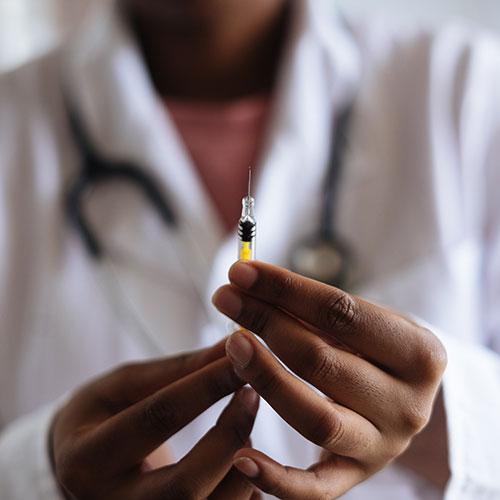
During the treatment, a needle is inserted beneath the scar, followed by the filler injection until all targeted areas are treated. Most patients find the procedure nearly painless, experiencing only a slight pinch from the needle and some pressure as the filler is placed.
What Results Can You Anticipate?
Most individuals notice immediate improvement in their acne scars, with even more noticeable results appearing around two weeks post-treatment.
It's crucial to set realistic expectations; while you may not achieve perfectly smooth skin, you will likely see a significant difference in the appearance of your scars after the procedure.