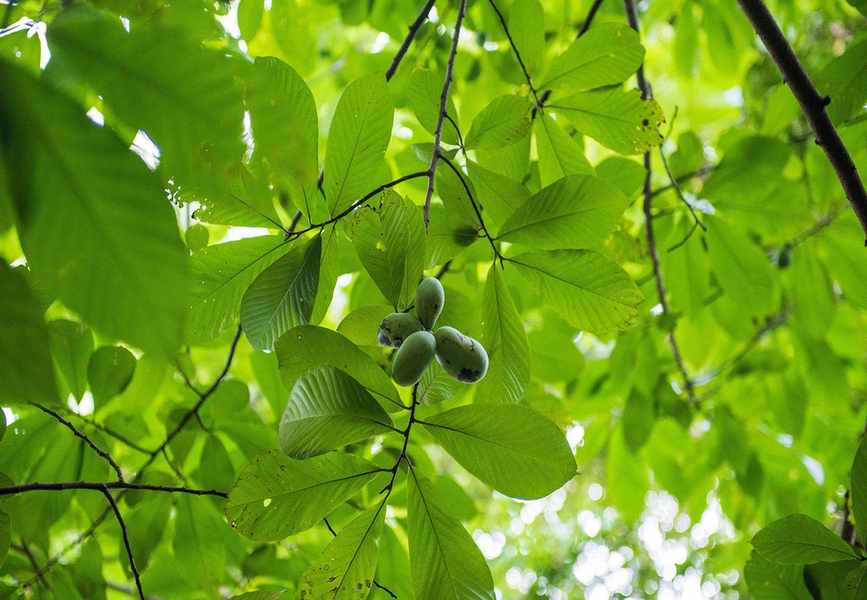
The pawpaw, Asimina triloba, belongs to the custard apple family and can be a fantastic addition to your garden, appreciated for its delectable fruit and attractive appearance.
Once largely overlooked, the pawpaw is North America's largest edible native fruit. However, it's experiencing renewed interest as we embrace our native flora. With new varieties emerging, more farmers are cultivating pawpaws.
In spring, pawpaw trees produce striking maroon flowers, around 2 inches wide, blooming on bare branches. This is followed by clusters of large, yellowish-green fruits resembling elongated mangoes, sometimes referred to as false or wild bananas.
These trees also boast large, oval leaves that provide stunning fall colors.
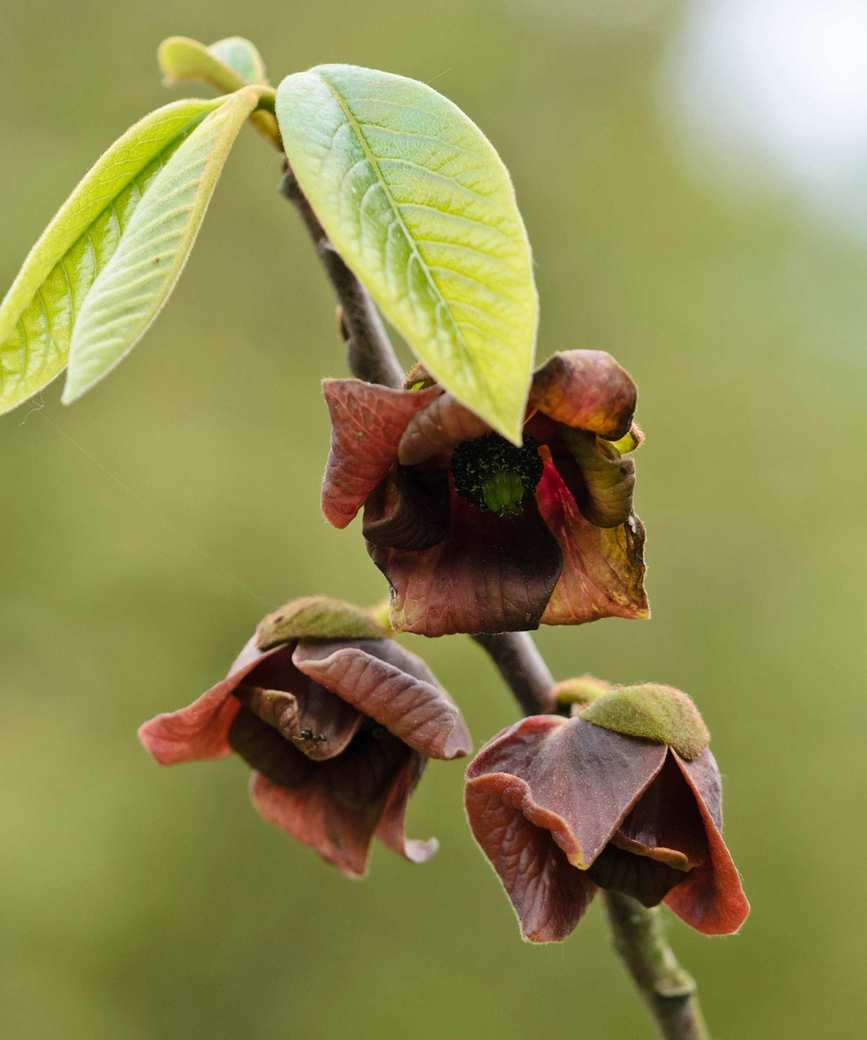
Dark maroon flowers yield nutritious edible fruits
Essential Information about Pawpaw Trees
- Type: Fruiting tree
- Height: 20-30ft
- Soil Quality: Fertile, moist, and well-drained
- Soil pH: Slightly acidic to neutral
- Best Planting Season: Fall
- Blooming Season: Spring
- Flower Color: Maroon
- Hardiness Zones: USDA 5-9
- Scientific Name: Asimina triloba
- Common Names: Pawpaw, custard apple, Indiana banana, wild banana
Types of Pawpaw Trees
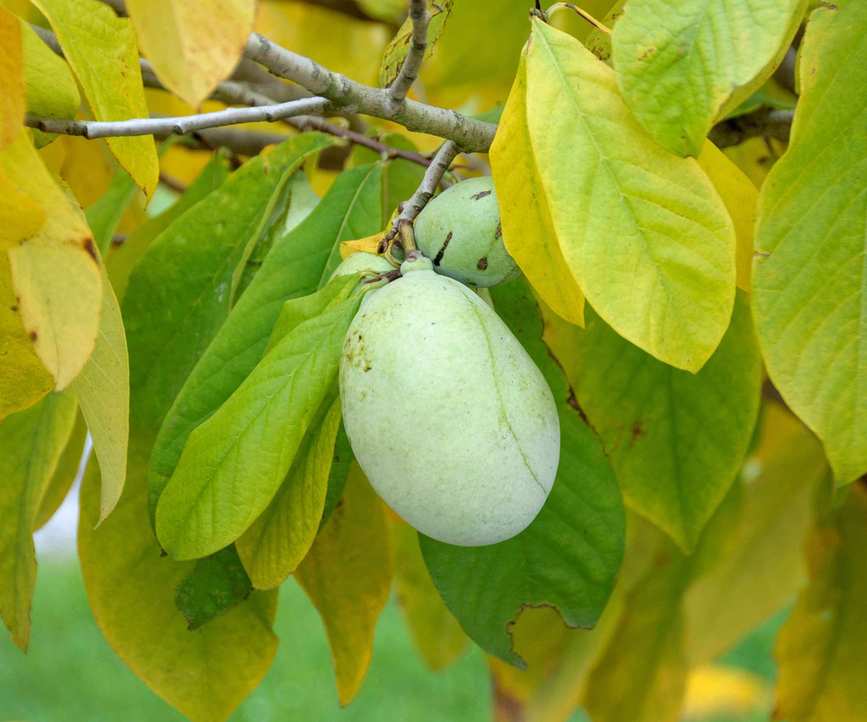
The self-fertile Asimina triloba 'Prima'
The Asimina genus includes about eight species native to eastern North America, including Asimina obovata, known as the 'bigflower pawpaw,' which thrives in drier regions of Florida.
You can purchase bare root pawpaw trees, like Bare Root Pawpaw (Asimina triloba). More established options are available, such as the American Paw Paw Tree starting at 1-2ft.
With up to 30 named varieties, pawpaws typically thrive when planted in pairs to promote pollination. Some self-fertile types include Asimina triloba 'Sunflower', Asimina triloba 'Prima', and Asimina triloba 'Davis'.
Neal Peterson, a pawpaw specialist, has developed several patented varieties that produce larger, meatier fruits, including 'Allegheny', 'Potomac', 'Rappahannock', 'Shenandoah', 'Susquehanna', and 'Tallahatchie'.
Optimal Planting Locations for Pawpaw Trees
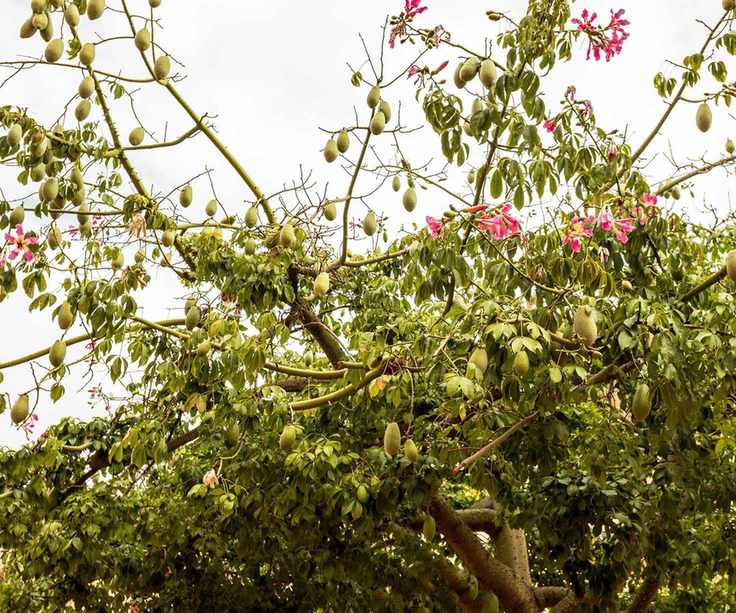
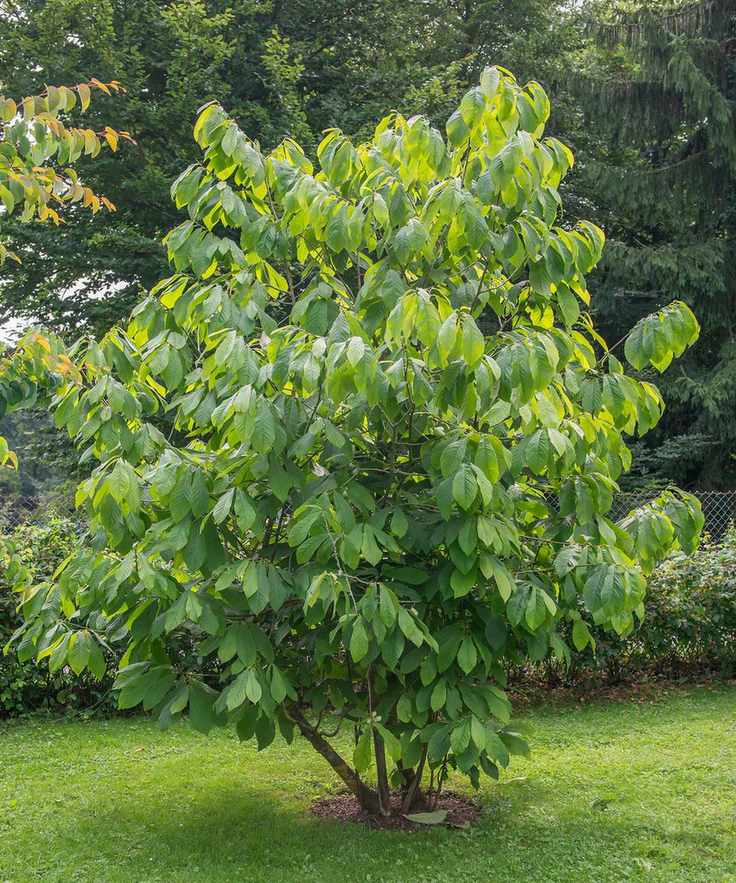
A mature pawpaw tree may reach heights of 30ft
Pawpaw trees have a lovely upright growth habit and pyramidal shape, making them suitable for smaller gardens, especially in sheltered spots. They offer spring blooms, vibrant foliage, and fruitful harvests.
Plant them in pairs or rows, spaced 10ft apart for optimal fruiting and harvesting. They can also serve as understory trees, positioned beneath taller plants, enhancing your garden's beauty.
Consider pairing them with fruiting bushes like blueberries or huckleberries and strawberries for ground cover, creating an appealing woodland garden atmosphere.
When and How to Plant Pawpaw Trees
Underplanting pawpaws with fruit bushes can be beneficial
For novices, growing pawpaws can be challenging due to their specific requirements. Always plant them in pairs since solitary trees won't bear fruit.
Plant bare root trees or young saplings in fall or early spring. Ensure the soil is fertile, moist, and well-drained, with a slightly acidic to neutral pH.
Pawpaws thrive at forest edges, needing shelter from taller plants, and benefit from organic matter in the soil. Choose sheltered spots to protect young trees from strong winds.
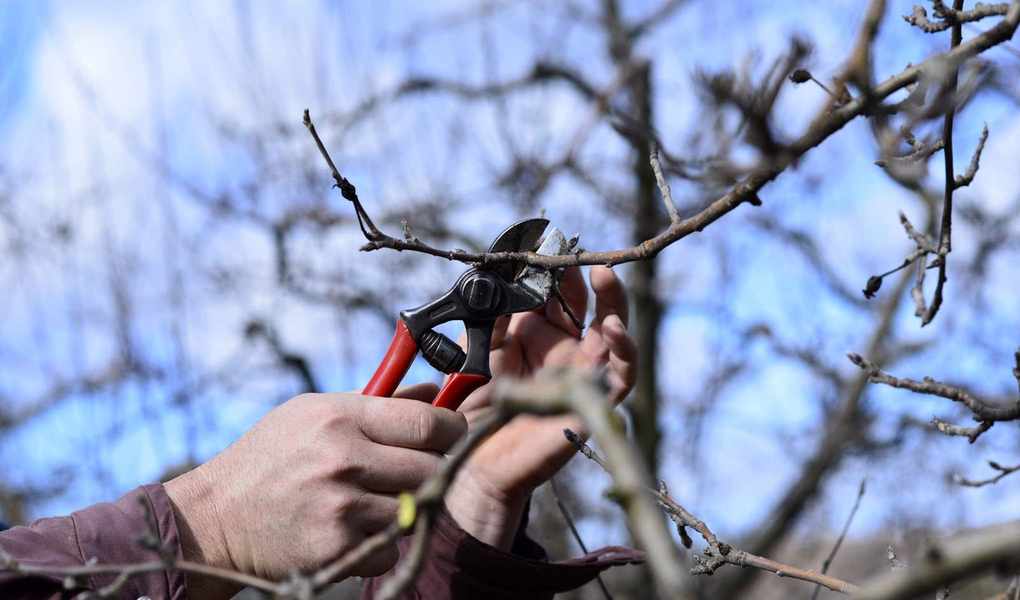
While they appreciate moisture, keep in mind that pawpaw trees dislike waterlogged conditions. Minimal pruning is required, mainly to remove dead or damaged branches.
How to Propagate Pawpaw Trees
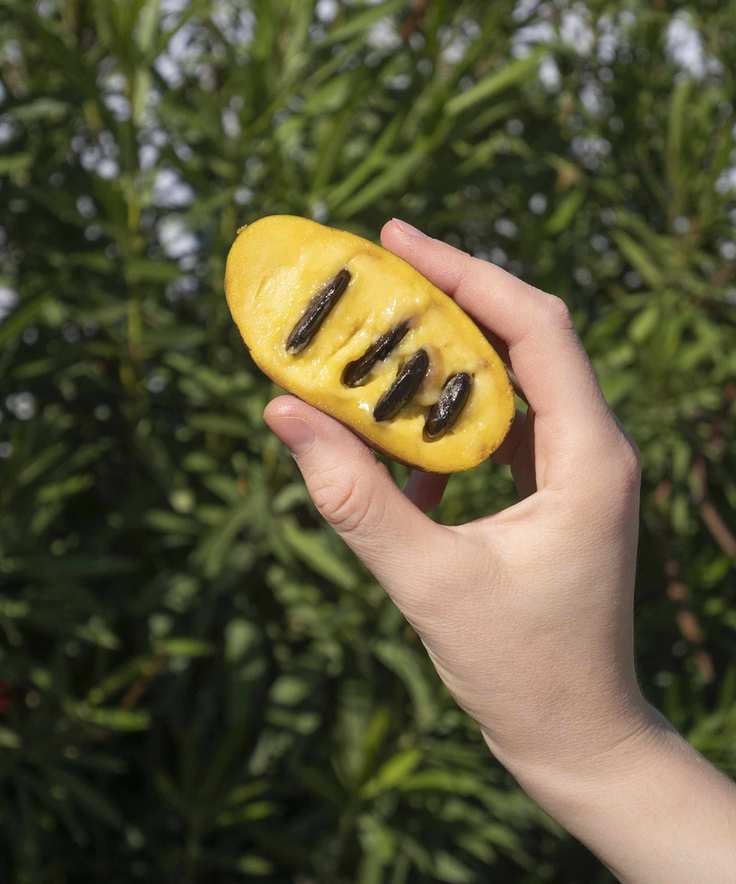
Harvest seeds from pawpaw fruit to cultivate more trees
You can save pawpaw seeds for future planting. Proper chilling is essential for seed germination, but seeds from grafted varieties may not produce true to type.
For experienced gardeners, traditional grafting techniques can be employed in late spring. Stake young scions and guard against birds.
Neal Peterson suggests grafting on warm, sunny days, avoiding cool or windy weather for optimal results. Use a whip graft for smaller rootstocks and a bark inlay technique for larger ones.

Common Issues with Pawpaw Trees
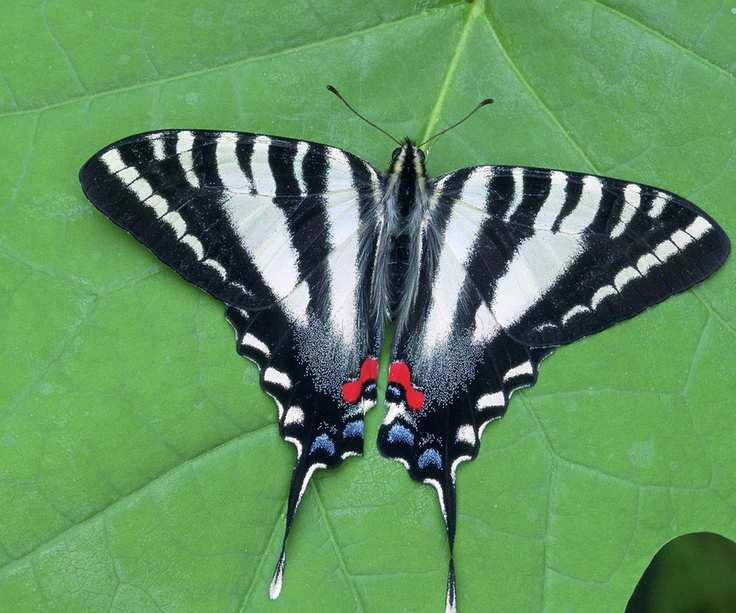
The zebra swallowtail butterfly's larvae feed on pawpaw leaves
Pawpaw trees generally resist pests and diseases, but some native insects may impact them. The zebra swallowtail butterfly larvae enjoy the leaves, which may affect younger trees but won't hinder fruit production on mature ones.
Pawpaw Peduncle Borer, a native moth, can damage flowers, leading to reduced yields. The Pawpaw webworm can harm branches during late summer, but it typically doesn't affect the tree's growth.
A common challenge is ensuring successful fruit set, requiring two trees for effective pollination, often necessitating manual assistance.
Pawpaws rely on flies and beetles for pollination, not bees. Use a soft brush to transfer pollen between flowers on different trees for better results.
Frequently Asked Questions
What Is the Height of Pawpaw Trees?
Pawpaw trees are compact, reaching around 20ft in height over approximately 20 years, but can grow taller in ideal conditions.
How Long Does It Take to Grow a Pawpaw Tree?
Starting from seeds saved from fruit is possible, but they require a long cold period for germination. If grown from seeds, they may take up to nine years to bear fruit.
Pawpaw grower Susan Owen begins about 400 trees from seed annually. She emphasizes keeping seeds moist to ensure successful growth.
Alternatively, grafted pawpaw trees aged 2-3 years can yield fruit within five years.
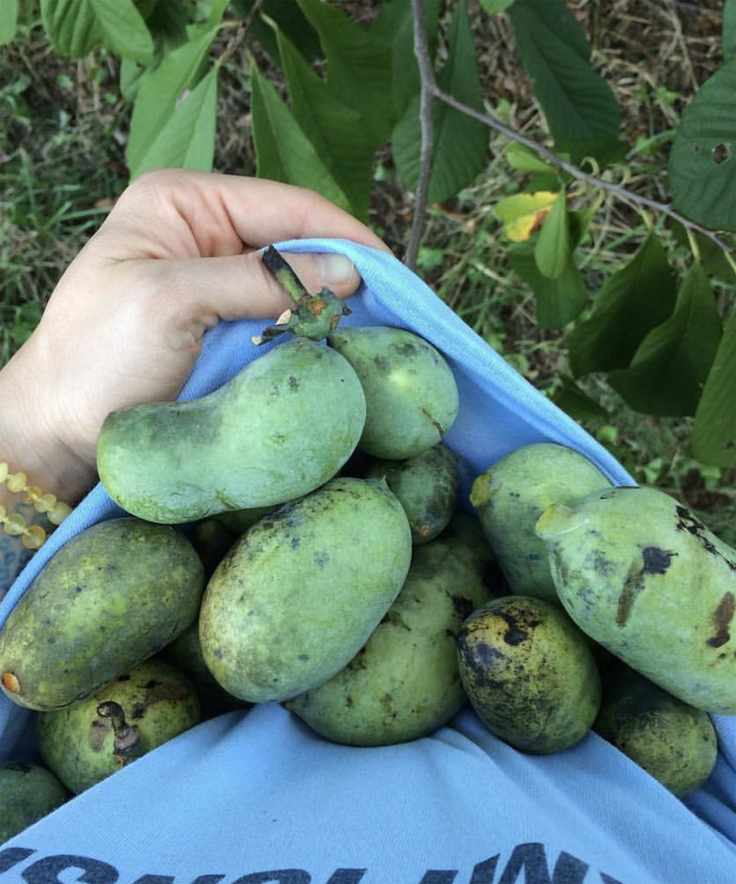
Can You Eat Pawpaw Fruit?
Pawpaw trees bloom with maroon flowers in spring, which eventually develop into fruits that ripen from late summer to fall. Ripe pawpaws have yellow skin, a soft texture, and a delightful aroma.
The creamy, sweet flesh should be consumed shortly after picking, as they spoil quickly. Enjoy the fruit fresh or use it in recipes like ice cream, puddings, and cheesecakes.
Pawpaw fruit is a nutritious addition to any diet, rich in protein, antioxidants, vitamins A and C, and essential minerals.
Pawpaw trees are a valuable native species, and for more information on the benefits of indigenous plants in your garden, explore our guide on native planting.
For additional tips, check out our guide on pruning pawpaw trees.