
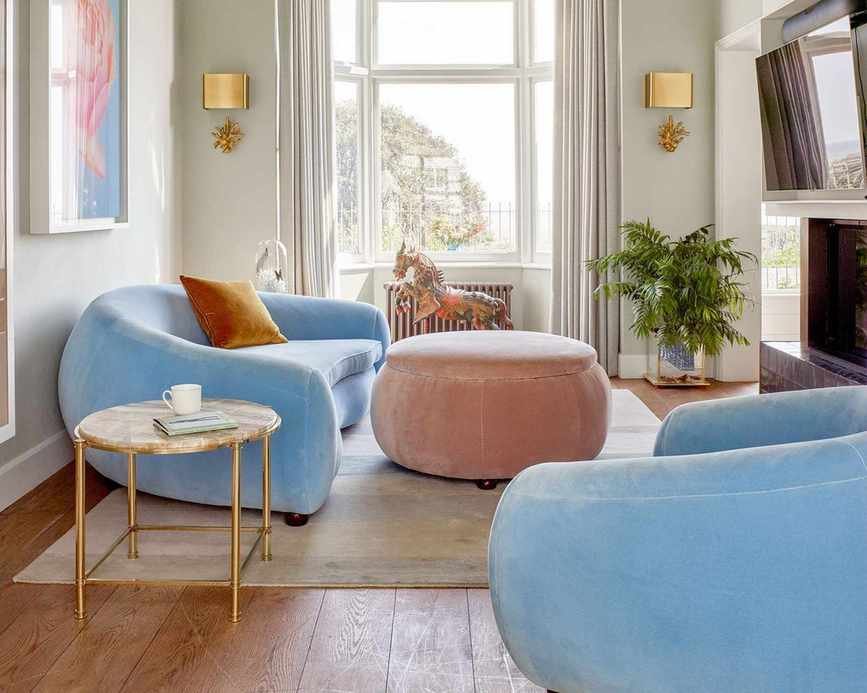
We've curated a range of living room layout ideas that cater to various styles and sizes, offering valuable design insights along the way.
Whether your living area is open-plan, family-friendly, or compact, there's a layout that fits your needs.
Living Room Layout Ideas
Functionality is essential when planning your living room. The layout you choose should enhance your lifestyle while maximizing your space. These design tips will help you achieve the perfect arrangement.
1. Opt for a Customized Living Room Layout

If you're designing a living room from scratch, you have great flexibility. Transforming an existing space is also possible. A wall of floor-to-ceiling shelving can showcase books and art, pairing beautifully with an oversized fireplace to anchor the room.
2. Keep Walls Clear in a Compact Space

In a small living room, moving furniture away from the walls helps create a more open feel. Just a few inches can make a significant difference. Choose appropriately sized seating to avoid making the space feel cramped.
3. Create Intimacy in Large Rooms

In spacious or open-plan areas, group seating for a cozy atmosphere. Consider multiple seating arrangements to define spaces and encourage conversation.
4. Manage Traffic Flow

Pull the sofa away from the wall in open-plan layouts to create a natural pathway behind it. This design choice can also allow for additional storage like a bookshelf behind the sofa.
5. Center Around a Focal Point

Base your layout around a striking focal point or design element. If none exists, create one with bold seating or unique decor. Coordinate colors from your furniture to your walls for a cohesive look.
6. Experiment with Proportions

Using scale effectively can dramatically impact your design. Adjusting proportions can make a large area feel cozier or expand a small space visually. Upscaling with furniture or decor can add instant flair.
7. Make Long Rooms Appear Wider

In long living rooms, avoid clustering all furniture against one wall. Instead, alternate arrangements to create an 'S' shape for traffic flow, helping the area feel less confined.
8. Create Zones in Open-Plan Spaces

Open-plan layouts require careful planning. Designate different areas for activities, using furniture like sofas to define spaces. L-shaped seating can help create a cozy corner in larger areas.
9. Ensure Smooth Walkways

When designing an open space that includes a kitchen or dining area, ensure logical pathways. Maintain harmony in materials and colors to unify the look while avoiding layouts that disrupt movement.
10. Maximize Apartment Living Rooms

Finding the right layout for apartments can be tricky, yet compact living has its perks. If your apartment boasts a view, design your furniture layout to highlight it. Choose sleek, armless pieces to maintain sight lines and integrate smart storage solutions.
How to Design Your Living Room Layout?
To prevent costly mistakes, start by considering how you move through the space. Organizing effectively is key, especially in smaller areas. Dual-purpose furniture helps save space and keeps the room feeling open.
Utilize every inch wisely to avoid clutter. An airy atmosphere is achieved through strategic organization and thoughtful lighting. Use light colors in various textures for a refreshing vibe.
Many believe less furniture creates a larger appearance, but multiple zones can define areas within a room. The right size, color, and lighting are essential for the perfect layout.


