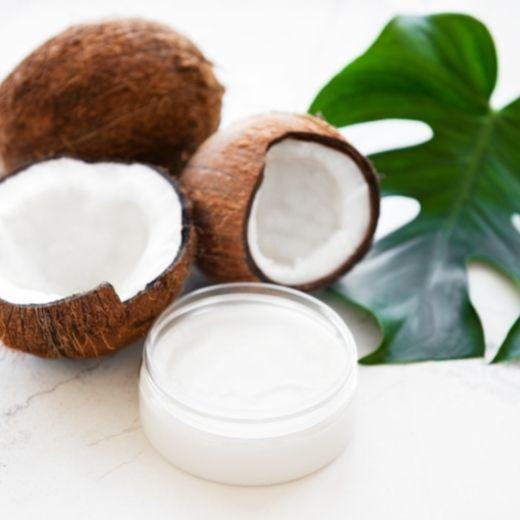
Coconut oil is a versatile substance, often found in kitchens and beauty routines alike. Yet, how effective is it for facial skincare?
While many enjoy the benefits of coconut oil, its thick consistency may not be suitable for every skin type.
Renowned for its lauric acid, coconut oil boasts antimicrobial features that target acne-causing bacteria. This raises the question: does it truly benefit oily and acne-prone skin? Unfortunately, lauric acid can also block pores.
This oil is occlusive, forming a barrier on the skin to retain moisture and shield against environmental aggressors.
Coconut oil presents both advantages and disadvantages in skincare. Let's explore further.
Benefits of Coconut Oil for Skin
One standout benefit of coconut oil is its ability to hydrate skin effectively. Its high medium-chain fatty acid content, including lauric acid, makes it an excellent moisturizer. Additionally, it contains linoleic acid, known for its hydrating properties.
Thanks to its emollient nature, coconut oil can help restore the skin's protective barrier, essential for safeguarding against environmental threats. Those with dry, sensitive skin or atopic dermatitis may find it especially beneficial.
Not only is coconut oil deeply hydrating, but it also provides a protective layer on the skin, sealing in moisture. This barrier minimizes transepidermal water loss, preventing hydration from escaping into the air.
This protective layer aids in healing cracks within the skin's outer layer, making it harder for harmful bacteria, like staphylococcus, to penetrate and cause infections.
Additionally, coconut oil possesses anti-inflammatory and antioxidant properties, promoting wound healing alongside its moisturizing benefits.
There are even more benefits to coconut oil in skincare. Its antioxidants can combat free radicals from UV exposure and pollution, making it a soothing aftercare option following sun exposure.
However, caution is advised. Applying coconut oil to sunburned skin can trap heat, worsening the burn.
It's wise to allow your skin a few days to recover before applying coconut oil for its healing and hydrating effects.
Is Coconut Oil Right for Your Face?
Though coconut oil offers several skincare advantages, it may not suit everyone, particularly as an acne treatment.
As noted, coconut oil can be comedogenic, potentially blocking pores and worsening acne.
If your skin is oily or prone to breakouts, it's best to refrain from applying coconut oil to acne-affected areas or to avoid it entirely. Areas like the face, chest, upper back, and shoulders, which have more oil glands, should be approached with caution. Patch testing on less oily areas can help prevent breakouts.
While some believe coconut oil can act as sunscreen, it's recommended to avoid this use as well. With an estimated SPF of just 8, it only blocks about 20% of UV rays. Instead, opt for a broad-spectrum sunscreen with a minimum SPF of 30.
Coconut Oil-Infused Products
If you wish to reap the benefits of coconut oil without compromising your skin's health, look for products with controlled amounts of this ingredient.
PCA Skin Overnight Lip Mask
This overnight lip mask from PCA Skin nourishes and hydrates dry, chapped lips while you sleep. Enriched with coconut oil, it soothes and helps eliminate flakiness.
Moreover, it targets visible signs of aging, reducing the appearance of lip lines.
Murad Multi Vitamin Infusion Oil
For a radiant glow, try Murad's Multi Vitamin Infusion Oil. This treatment oil features six key vitamins, along with coconut oil, to combat premature aging while boosting hydration and skin brightness.
iS Clinical Cream Cleanser
Gentle yet effective, the iS Clinical Cream Cleanser is suitable for dry, sensitive skin. It's packed with bio-nutrients, antioxidants, and restorative elements that cleanse the skin beautifully.
Post-use, your skin will feel refreshed, hydrated, and clean.
Looking for more skincare tips? Check out how to choose the perfect sunscreen.