Summer is the ideal season to soak up the sun, but safeguarding your skin from harmful rays is crucial. Sunscreen plays a vital role in your summer regimen, but selecting one tailored to your skin type is equally important. Everyone's skin reacts uniquely to different sunscreens, so finding the right match is key. Here, we’ll explore various sunscreen types and offer guidance on choosing the best one for your skin.
Select the Ideal Sunscreen for Your Skin Type

While enjoying the outdoors, it’s essential to protect your skin from damaging UV rays. Many assume sunscreen is the sole protector, but there are multiple ways to shield your skin, with the right sunscreen being a top priority.
If your skin is oily, opt for an oil-free formulation, as oily sunscreens can increase shine. For dry skin, look for hydrating options, avoiding those with alcohol that can exacerbate dryness. Sensitive skin types should choose fragrance-free products with gentle ingredients like titanium dioxide or zinc oxide. Regardless of your skin type, daily application is a must.
Seek Sunscreens with SPF 30 or Higher
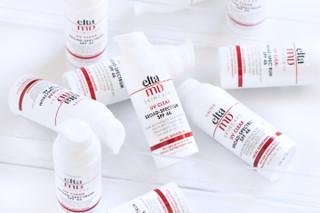
When selecting a sunscreen, prioritize those with an SPF of 30 or more for optimal protection against UV rays. This is especially important during outdoor activities to prevent sunburn, premature aging, and skin damage.
Look for labels indicating “broad spectrum,” ensuring protection against both UVA and UVB rays. UVA rays contribute to aging, while UVB rays cause sunburns. Always apply sunscreen generously and reapply often, especially after swimming or sweating, ideally every two hours.
Generously Apply Sunscreen

Summer is perfect for enjoying the sun and getting vitamin D, but protection is vital to avoid skin cancer. Different sunscreens cater to various skin types—some are great for oily skin, while others suit dry or sensitive skin.
For oily skin, choose oil-free options. If your skin is dry, look for moisturizing sunscreens. Those with sensitive skin should opt for fragrance-free, hypoallergenic formulations. Consistent application is essential; the American Academy of Dermatology recommends daily use, even on cloudy days, covering all exposed areas like the face, ears, neck, and hands.
Avoid Sunscreens with Harmful Chemicals
Not all sunscreens are created equal; some include harmful chemicals that may pose risks. Steer clear of products containing:
Oxybenzone: Known for causing skin allergies and potential hormonal disruptions.
Retinyl Palmitate: Can accelerate skin cancer development when exposed to sunlight.
Octinoxate: Associated with reproductive issues and hormonal imbalances.
Always read labels carefully and choose options with zinc oxide or titanium dioxide, which are safer alternatives.
For Oily Skin, Choose Oil-Free Options
Maximize your sunscreen's effectiveness by selecting one suited for your skin type. For those with oily skin, an oil-free sunscreen is best, as oil-based products can lead to breakouts. Look for terms like "oil-free" or "non-comedogenic" to ensure it won’t clog pores.
There are plenty of effective oil-free sunscreens available, allowing you to enjoy sun protection without feeling greasy. Apply generously, especially during peak sun hours, to ensure adequate protection.
For Dry Skin, Opt for Moisturizing Formulations
Choosing the right sunscreen can be challenging. If you have dry skin, aim for a moisturizing sunscreen that locks in hydration. Formulations containing hyaluronic acid or glycerin are excellent choices, as they help maintain moisture levels. Avoid sunscreens with alcohol, which can be drying.
Look for products labeled "moisturizing" or "hydrating." If you have further questions about selecting the appropriate sunscreen for your skin, consult a dermatologist for personalized advice.
Dermatologist-Approved Sunscreen is Essential
Using dermatologist-approved sunscreens is crucial for effective sun protection year-round. Apply sunscreen daily, regardless of the weather. Choose broad-spectrum options with an SPF of 30 or higher for maximum safety.
These sunscreens shield against both UVA and UVB rays, with UVA contributing to aging and UVB causing burns. Opt for water-resistant products and avoid allergens. If sensitive, look for gentle or hypoallergenic labels.