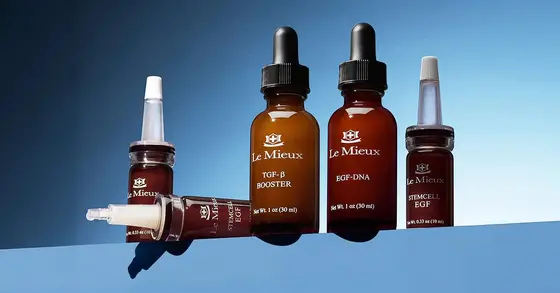

If your complexion looks lackluster, fatigued, or damaged from the sun, a chemical skin peel might be worth considering. These innovative treatments are often seen as a key to restoring youthful, glowing skin. But what are skin peels, how do they work, and which type is ideal for you?
To help you make an informed decision, we’ll break down the different types of skin peels available.
What Exactly Is a Skin Peel?
A skin peel, also referred to as a chemical peel, is a non-invasive cosmetic procedure. The acidic solution targets various skin concerns, including acne, hyperpigmentation, wrinkles, and sun damage. Though non-surgical, skin peels must be administered by trained professionals such as doctors, aestheticians, or nurses.
These treatments have surged in popularity, becoming common offerings at med spas and plastic surgery clinics. Both men and women enjoy the benefits, which include:
- Alleviating acne
- Minimizing fine lines and wrinkles
- Reducing the visibility of scars
- Lightening hyperpigmentation
- Smoothing rough skin
- Mitigating sun damage
- Brightening and hydrating for a youthful glow
What Types of Acids Are Used in Skin Peels?
Don’t be intimidated by the term “acid.” The acids in skin peels are typically derived from natural sources, often from fruits. Commonly used acids include:
- Glycolic acid (from sugarcane; fights acne)
- Salicylic acid (from willow tree bark; targets acne)
- Lactic acid (from milk and beets; brightens and smooths)
- Retinoic acid (from vitamin A; reduces wrinkles)
- Phytic acid (from grains; brightening effect)
How Do Skin Peels Function?
The process of skin peeling involves several steps.
Initially, a professional applies a specific chemical solution to the targeted area, usually the face. The solution is then left to work, allowing the acids to exfoliate and rejuvenate the skin. After the designated time, the peel is rinsed away.
Three Common Types of Chemical Peels
Glycolic Peels
Glycolic peels are ideal for individuals looking to tackle issues like hyperpigmentation, acne, sun damage, and age-related dullness. These peels effectively exfoliate the outer skin layer, promoting the shedding of dead skin cells.
Salicylic Peels
Best suited for acne sufferers, salicylic peels target oil glands and penetrate clogged pores to remove congestion and excess oils. This acid also has anti-inflammatory properties, helping to calm red and irritated skin.
TCA Peels
Those dealing with scars, sun damage, wrinkles, and pigmentation challenges may benefit from TCA peels. Caution is advised for individuals with sensitive skin, as these penetrate deeply and can cause significant peeling for a week or more.
Categories of Skin Peels
Skin peels can be categorized into three levels: superficial, medium, and deep.
Superficial Peels
As the gentlest option, superficial peels only affect the outermost skin layer. They help minimize the appearance of pores, fine lines, uneven skin tone, and dark spots. These peels typically employ alpha-hydroxy and beta-hydroxy acids.
Although they are the mildest type, patients may experience some redness and slight flaking. Healing usually takes between one and seven days.
Medium Peels
Medium peels are more intensive, penetrating beyond the outer and middle layers of skin. Composed of glycolic, lactic, salicylic, or trichloroacetic acid, these concentrated treatments can take up to two weeks to heal.
Deep Peels
Deep peels reach deeper layers than the other types and are primarily used for severe skin issues. These include serious acne, extensive sun damage, deep wrinkles, and even pre-cancerous growths. Prior to applying a deep peel, a preparatory regimen may be required for up to eight weeks.
Individuals with darker skin tones should be cautious, as deep peels can lead to hypopigmentation.
Healing from a deep peel can take up to three weeks.
Finding the Right Skin Peel for You
With various types and categories of skin peels, selecting the right one can be challenging. This choice can feel daunting, especially since some peels penetrate deeply.
For those with sensitive skin, minor issues, or experiencing their first peel, a superficial treatment like the SkinMedica Vitalize Peel is a great starting point. These mild options are less likely to provoke a reaction and help you acclimate to the process. Those with moderate concerns or previous peel experience might consider medium peels. Finally, individuals facing more significant skin issues often opt for deep peels.
Consider what specific concerns you want to address. Are you aiming to clear clogged pores, enhance hydration, or achieve a more uniform skin tone? Or do you want to diminish the appearance of stubborn scars, severe acne, or sun damage?
It’s also wise to consult with a professional about your choices. Their expertise will guide you appropriately, taking into account your skin type, needs, and any potential risks. They will ensure that the selected peel is beneficial rather than harmful.