Cleaning up after a big meal may feel straightforward, but getting into a routine can lead to common errors that harm your kitchenware.
It's crucial to break bad cleaning habits to keep your kitchen tools in top shape and extend their lifespan.
Here, culinary professionals share seven cleaning mistakes to steer clear of and explain why these practices can cause damage.
Cleaning Mistakes to Avoid
While some cleaning errors just leave things dirtier, these seven can seriously ruin your kitchenware, forcing you to replace them sooner than necessary. From non-stick pans leaching into your dishes to warped cutting boards, here's what to dodge and how to clean correctly.
1. Washing Hot Pans

"Cleaning a hot pot or baking sheet with soap and water can spoil the pan, damaging its protective layer and leading to sticking and burning," says a culinary expert. She advises waiting for the pan to cool. Adding cold water to a hot pan risks warping, especially with cast iron or stainless steel.
So, resist the urge to soak it while you eat; let it cool before washing everything together.
2. Using Scrub Pads on Non-Stick Cookware
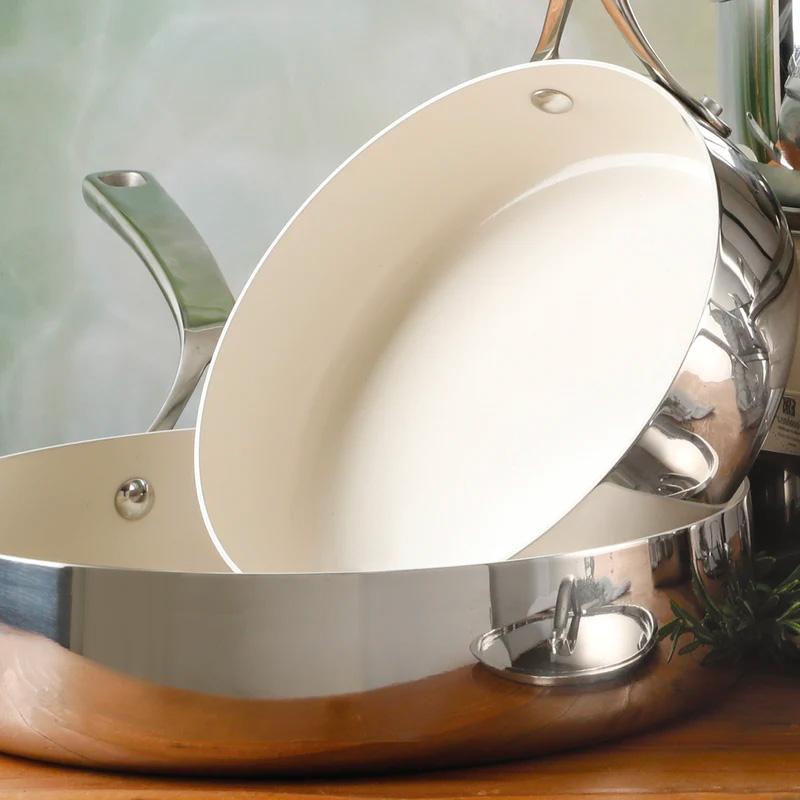
"Non-stick pans should be easy to clean if properly maintained, so you shouldn't need abrasive pads," explains a cleaning authority. Using scouring pads can damage the non-stick surface, causing food to stick and the coating to flake.
Instead, opt for a sponge or microfiber cloth with mild soap. If food is stuck, soak the pan in warm, soapy water before gently scrubbing.
3. Soaking Wooden Utensils
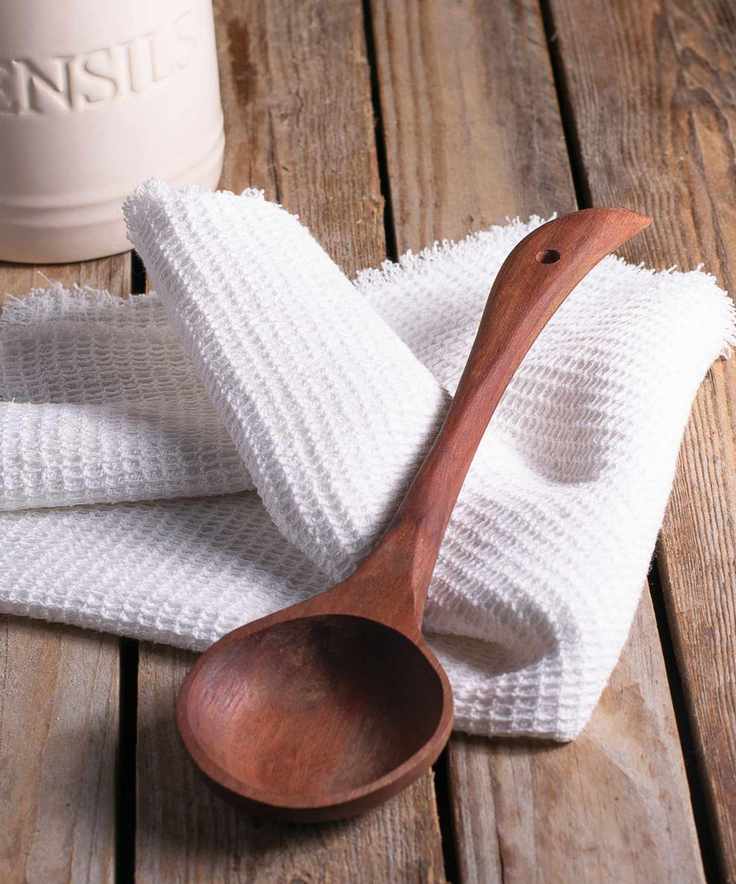
Wooden utensils are invaluable in the kitchen, but proper care is essential. The biggest mistake is neglecting to oil wooden cutting boards after washing. Regular conditioning with oil and beeswax prevents drying and mold.
Wash wooden items immediately after use and never put them in the dishwasher or soak them in water, which can warp or split them.
4. Dishwashing Everything
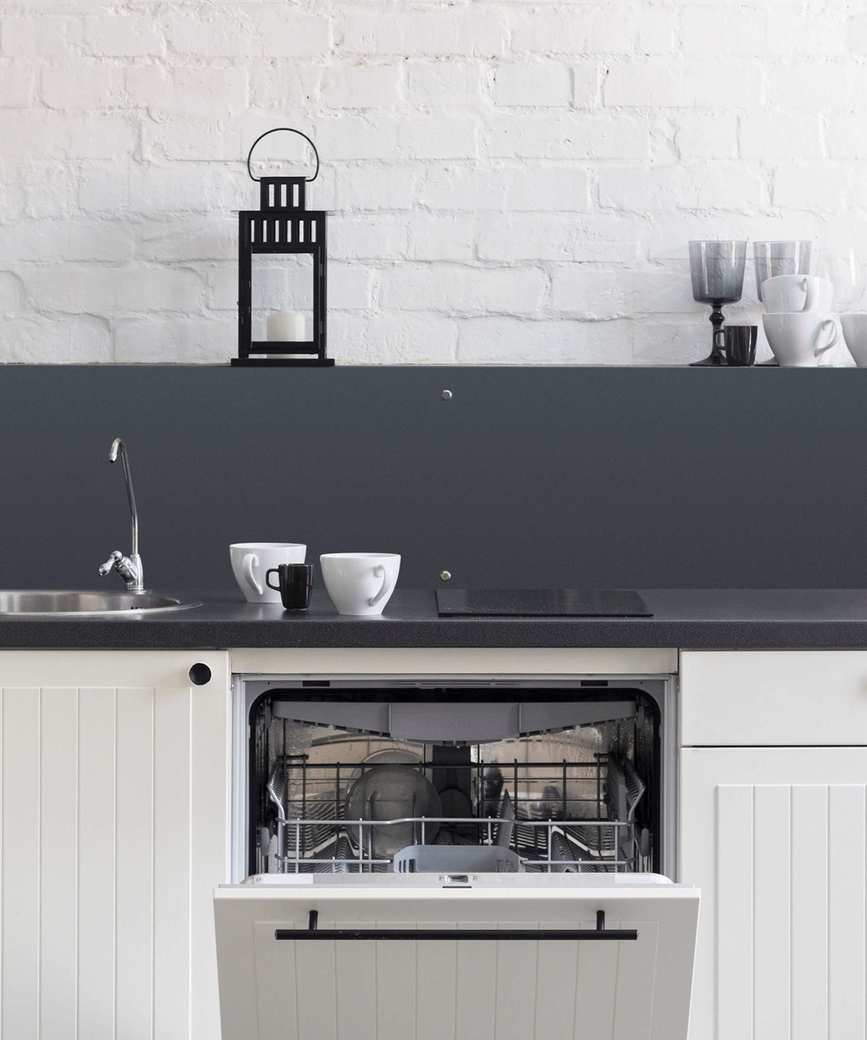
"Dishwashers are convenient, but certain items shouldn't go in them," warns a sustainable cleaning expert. Non-stick cookware, wood, and sharp knives should be washed by hand to prevent damage.
Always refer to the manufacturer's guidelines for delicate items.
5. Soaking Cast Iron Cookware
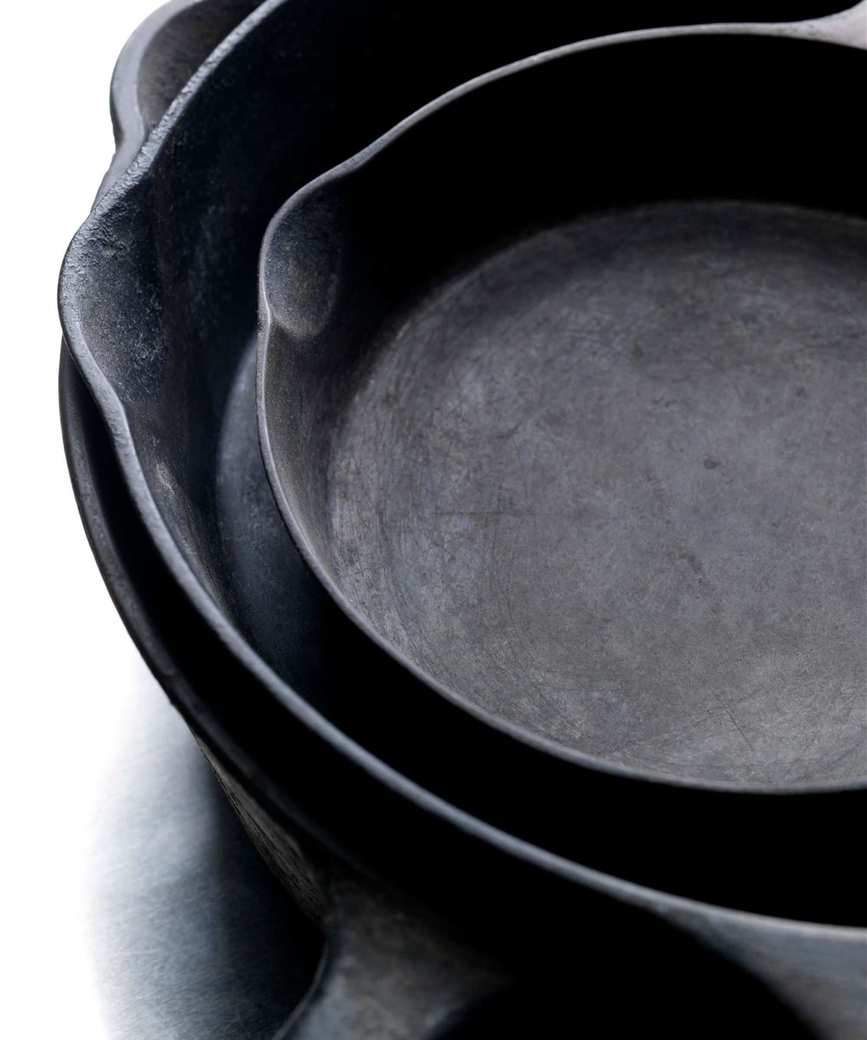
Cleaning cast iron requires finesse. Never let it soak or put it in the dishwasher, as moisture can lead to rust and ruin the seasoning. Use a non-abrasive sponge with mild soap instead.
Always consult care instructions for your cookware to maintain its quality.
6. Overusing Dish Soap
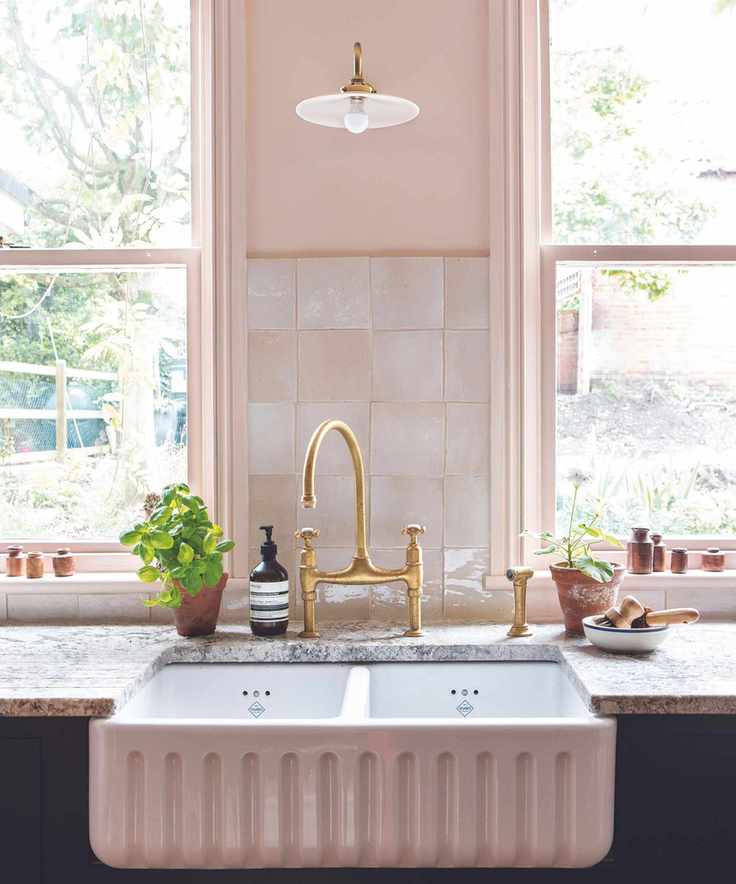
While dish soap is great for tackling grease, too much can be counterproductive. A high-quality dish soap usually only needs about a teaspoon per sink. Consider switching to a pump-action soap dispenser to control the amount you use.
7. Not Soaking for Easier Cleaning

Soaking certain items can make washing easier and more efficient. Soaking helps loosen food debris much better than rinsing under running water, saving you time.
Before soaking, scrape off excess food into the trash and quickly place items in hot, soapy water. After five minutes, you can wash by hand. Just remember, wooden utensils should not be soaked.
FAQs
What's the best way to deep clean kitchenware?
For deep cleaning, use baking soda and vinegar to tackle stubborn grease and burnt food. Once cooled, sprinkle baking soda and spray vinegar on top, letting it sit before cleaning with warm water and dish soap.
How can I remove burn marks from my pots and pans?
To eliminate brown stains, start with vinegar and baking soda to break down grime. If this doesn't work, a gentle abrasive paste can help. Just ensure not to use abrasives inside the pan where they could damage the finish.