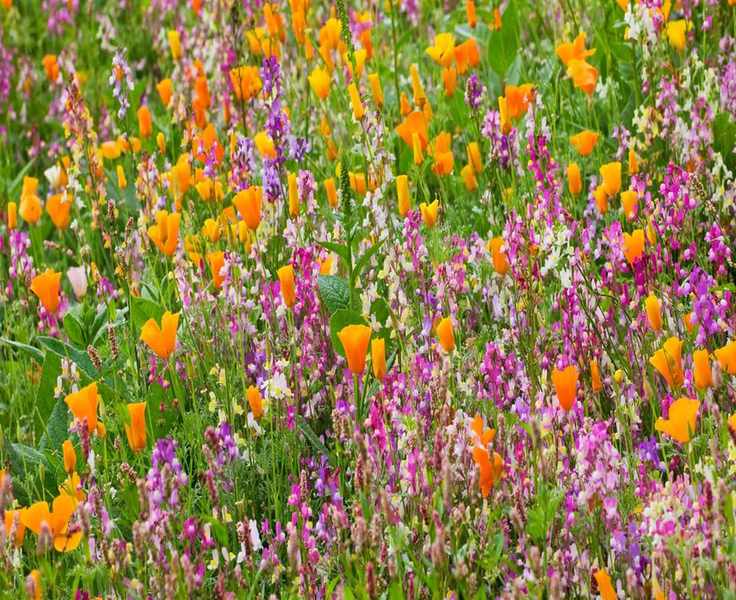
Searching for flowers to add color to your garden this summer? Opt for fast-growing varieties to enjoy beautiful blooms by June.
Spring is the perfect season to plant, especially if you want early summer blossoms. The top fast-growing plants can bloom in just six to eight weeks, infusing your garden with delightful hues and textures as the season unfolds.
Here are some flower favorites recommended by expert gardeners for a quick and stunning summer display.
7 Fast-Growing Flowers for Spring Planting
Some of these flowers can be stratified and started indoors, while others can be sown directly into the ground after the last frost.
1. Baby Blue Eyes (Nemophila menziesii)
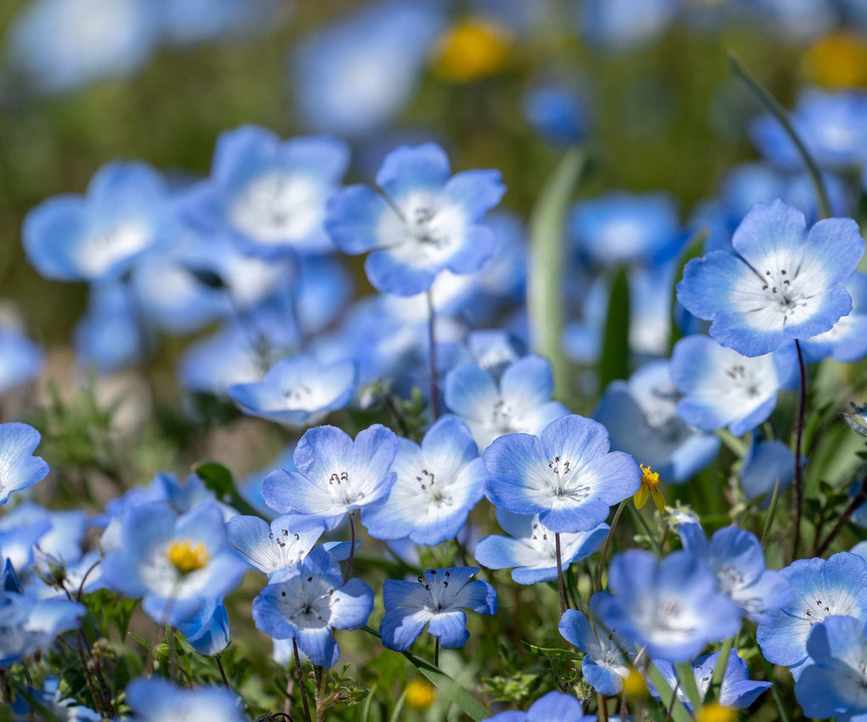
For those who adore cottage-style gardens, baby blue eyes are a charming choice for spring and summer. This spreading annual thrives in full sun to partial shade and prefers moist, well-drained soil.
'This flower not only tolerates cooler spring weather but actually prefers it,' shares Matt Mattus, Senior Director of Horticulture. 'Native to the western US, Nemophila menziesii blooms quickly from seed and features a stunning sky-blue color.'
Sow thinly and transplant while young, either indoors or directly outdoors, spacing plants about 4 inches apart. Like pansies, these flowers can withstand light frosts and bloom abundantly until mid-June, when warmer temperatures arrive.
These baby blue eyes seeds from True Leaf Market take 50-60 days to mature, filling your yard with lovely blue shades.
Suitable for USDA hardiness zones: 2-11

With a passion for horticulture since childhood, Matt has participated in local horticultural societies and authored several gardening books. He now serves as the Senior Director of Horticulture for the American Horticultural Society in Washington, DC.
2. Shirley Poppies (Papaver rhoeas)
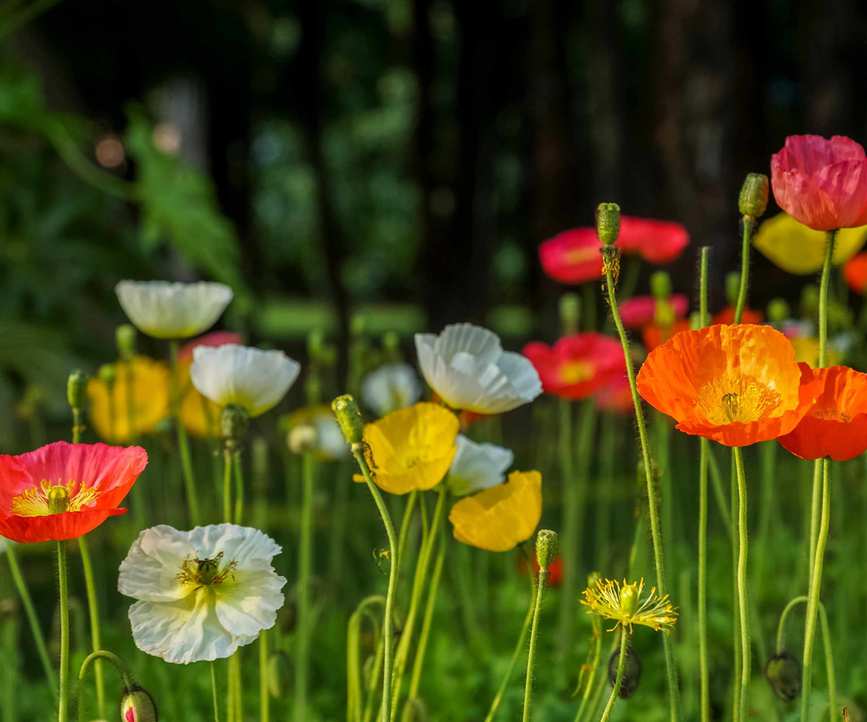
Shirley poppies are an exceptional choice for vibrant blooms. Their diverse color palette and frost resistance make them a favorite among many gardeners. Plant these seeds now for mid-summer flowers.
'Few can match the beauty of Shirley Poppies,' says Matt. 'With colors ranging from coral and pink to lavender and smoky gray, they are stunning. Try varieties like 'Amazing Grey', which features delicate lavender-gray blooms, or 'Supreme', which boasts bright pinks and corals.'
While poppies dislike root disturbance, you can start them indoors and later transplant, or sow directly outdoors. They germinate best around 70°F, so sow generously until early May, leaving one plant every 6 inches in full sun.
These Shirley poppy double mixed seeds from True Leaf Market will bloom in under three months; their lovely petals are worth the wait.
Suitable for USDA hardiness zones: 3-9
3. Desert Bluebells (Phacelia campanularia)
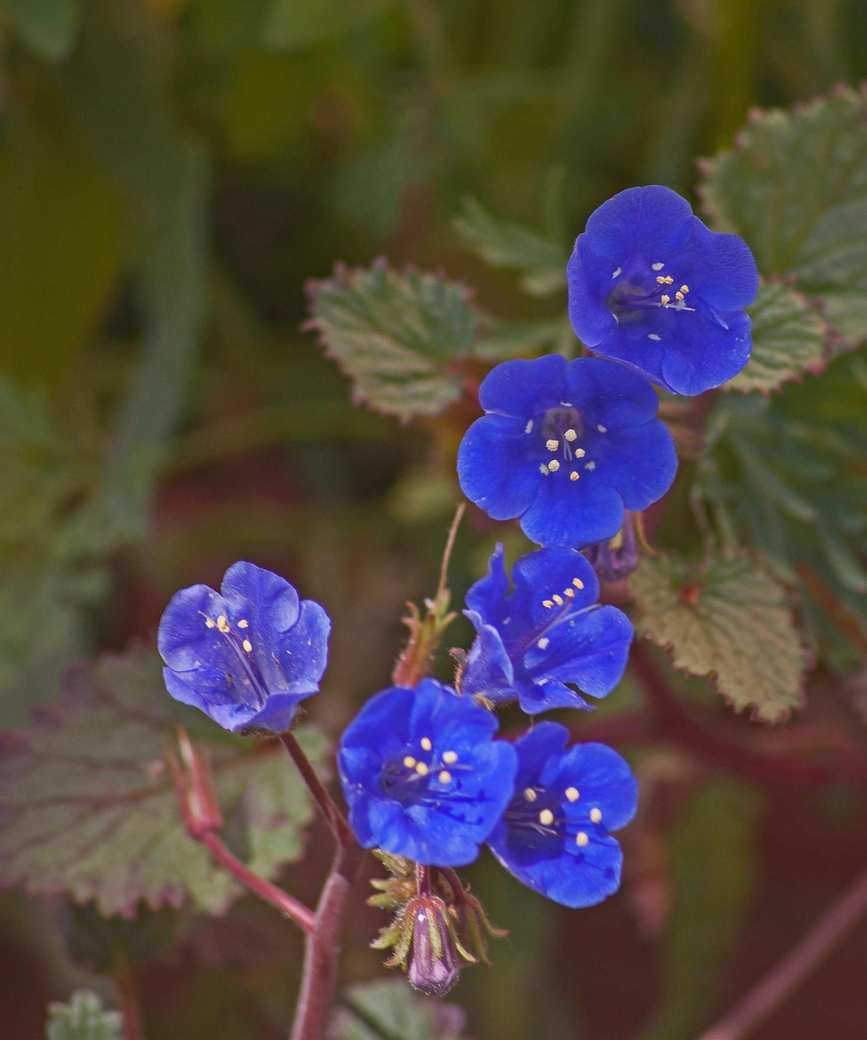
If you seek rapid, vivid summer color, choose desert bluebells. This California native thrives in full sun and well-drained soil, blooming within six to eight weeks from seed.
Phacelia campanularia is low-maintenance and drought-tolerant, ideal for attracting pollinators.
'Another stunning blue native, Phacelia campanularia prefers cooler spring weather,' explains Matt. 'While this extraordinary blue annual is rare in stores, it can easily be grown from seed.'
Sow as soon as the ground is workable or start in a seed tray in April, then transplant outdoors. These flowers are perfect for rock gardens, containers, or borders, thriving in cooler temperatures.
Suitable for USDA hardiness zones: 2-10
4. Baby Snapdragons (Linaria maroccana)
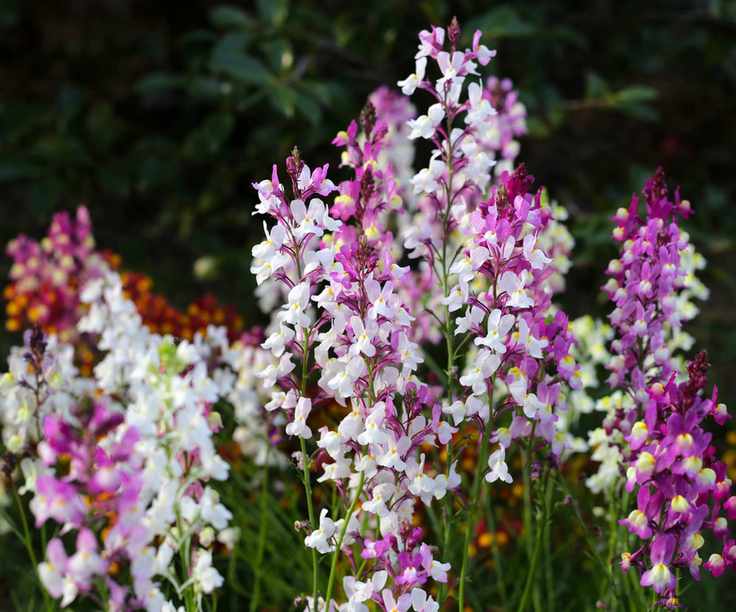
Baby snapdragons provide immediate early-season color. Their long bloom period and compact growth make them ideal for brightening gardens early in the season.
Despite their delicate look, these plants are hardy and resistant to deer. 'Baby snapdragons (Linaria maroccana), also known as toadflax, are among the quickest spring flowers,' says Tabar Gifford, master gardener.
They germinate quickly, typically in 10 to 14 days, and bloom within 6 to 8 weeks. Reaching a height of just 10–15 inches, they're excellent for containers or low borders.
Baby snapdragons attract butterflies and hummingbirds with bi-colored flowers in vibrant shades. They prefer full sun but tolerate partial shade and thrive in dry to average soil.
These heirloom Linaria Snapdragon Seeds from True Leaf Market mature in 65 days, ensuring blooms by June.
Suitable for USDA hardiness zones: 2-11

Tabar is a Master Gardener and passionate about plants. With a background in environmental studies, she empowers others to realize their gardening dreams and gardens in zone 4 in Vermont.
5. Firewheels (Gaillardia pulchella)
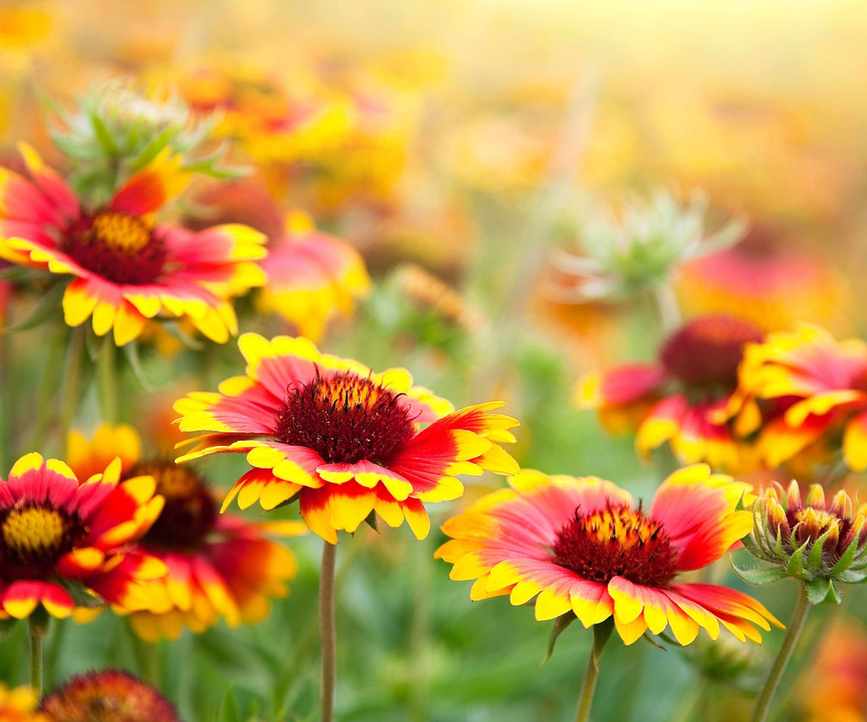
Gaillardia thrives in North America's dry prairies, producing vibrant late spring and early summer blooms.
This low-maintenance, deer-resistant plant also attracts pollinators and often reseeds, returning year after year. Deadheading can enhance blooming throughout the summer.
'Gaillardia (Gaillardia pulchella), also known as firewheel or Indian blanket, is a fantastic choice for those seeking bold, long-lasting color,' shares Tabar.
This resilient annual blooms 6–8 weeks after sowing, germinating within 7–14 days in warm soil, and can grow 12–24 inches tall, perfect for borders or container gardens.
Thriving in zones 2–10, Gaillardia flourishes in full sun and dry to average soils, showcasing striking red, orange, and yellow tones. It's a magnet for bees, butterflies, and birds, making it a valuable addition to wildlife-friendly gardens.
Its adaptability and drought resistance make it ideal for low-water gardens and sunny spots needing a colorful boost.
Suitable USDA hardiness zones: 2-10
6. Rocky Mountain Bee Plant (Cleome serrulata)
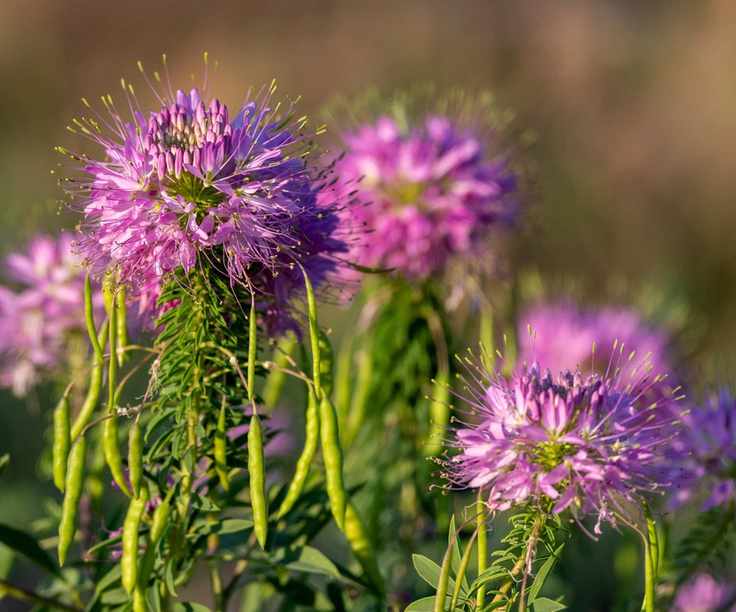
This fast-growing annual produces pink nectar-rich blooms from late spring through fall, attracting butterflies and hummingbirds.
It takes 2-3 months to go from seed to flower and can be sown outdoors once seed stratification is complete. Preferring full sun to light shade and well-drained soil, it can endure dry spells.
'Both Rocky Mountain bee plant (Cleome serrulata) and Lewis' flax (Linum lewisii) are popular among pollinators,' notes Amy Yarger, Senior Director of Horticulture.
This native plant can grow over four feet tall, adorned with clusters of delicate pink and white flowers. Pollinators flock to its nectar, and its seeds can be collected for future plantings.
For spring planting, mix seeds with sand and chill for 30 days. Scatter seeds, lightly rake, and provide water until they germinate.
Rocky Mountain bee plant looks stunning in meadows, tall borders, or cottage gardens, requiring minimal maintenance and attracting butterflies.
These Cleome Queen mixed color seeds from Burpee can be sown directly outdoors from late April to mid-May, after the last frost.
Suitable USDA hardiness zones: 3-8

Amy, Senior Director of Horticulture at Butterfly Pavilion, leads initiatives to restore pollinator habitats in Colorado. She cultivates pollinator gardens throughout her community.
7. Lewis' Flax (Linum lewisii)
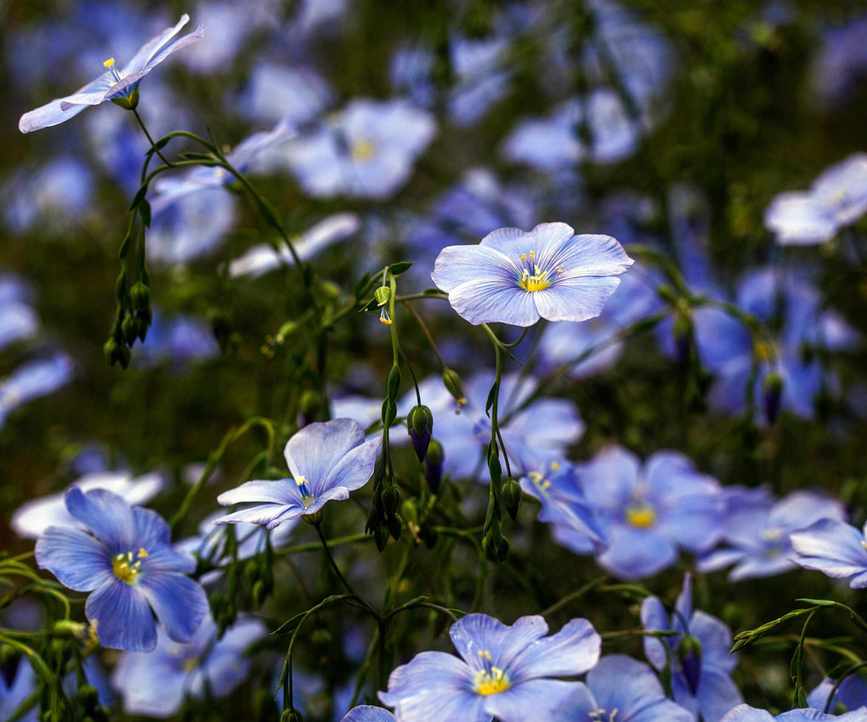
This native wildflower features elegant stems and blue flowers, perfect for prairie plantings, offering a charming, natural look. It blooms in a little over two months.
'Lewis' flax is easy to grow from seed, providing early spring blooms,' Amy states. 'Plant in the fall or early spring to see flowers by May. Lightly rake the seeds in, and if conditions are dry, water them.'
This adaptable plant prefers sunny spots with good drainage, making it ideal for perennial and prairie gardens. It requires low water, but additional moisture may help with germination.
A key forage plant for early-season bees, Lewis' flax supports fritillary butterflies as well. Though a short-lived perennial, collecting seeds each summer allows you to expand your garden. After blooming, cut back stems and gather seeds for future planting.
Suitable for hardiness zones: 3-9
Spring is an excellent time to plant various flowers, especially annuals. Some of the seeds mentioned can be stratified to mimic cold and started indoors, while others can be sown directly into the ground, based on your USDA hardiness zone.
Even within specific zones, consider micro-climates to determine the best time for sowing seeds. By following these guidelines, you'll soon enjoy a vibrant summer garden.