When decluttering, it's tempting to toss everything in the trash. Yet, some items can harm the environment and pose safety risks if discarded improperly.
From batteries to appliances, here's a look at what not to throw away, along with better disposal alternatives.
1. Batteries

Batteries, often found in home offices, should never be thrown in the trash.
According to Karina Toner, operations manager, batteries contain harmful metals like lead and mercury, which can leach into the soil and contaminate groundwater. Many states have regulations against disposing of batteries in regular trash.
Consider using a Baderke Battery Disposal Container from Amazon to collect used batteries for recycling.
Sherri Papich, a professional organizer, notes that many retailers offer free battery recycling, including Home Depot and Best Buy. You can also check with your local municipality for hazardous waste drop-off locations.
Switching to rechargeable batteries is a great way to reduce waste. Sherri recommends a 16-bay charger for various battery types.
2. Cleaning Products

Dispose of cleaning products carefully; they can contain hazardous chemicals.
Household cleaning supplies can contain harmful substances that contaminate water and affect health if thrown away carelessly. Many traditional cleaners have ingredients that are damaging to both humans and the environment.
If possible, donate usable products to community centers. Many towns have hazardous waste disposal sites for unsafe cleaners.
For a sustainable approach, consider switching to eco-friendly cleaners, such as the Branch Basics Cleaning Essentials Kit, which provides a plant-based concentrate for diluted use.
3. Kitchen Appliances
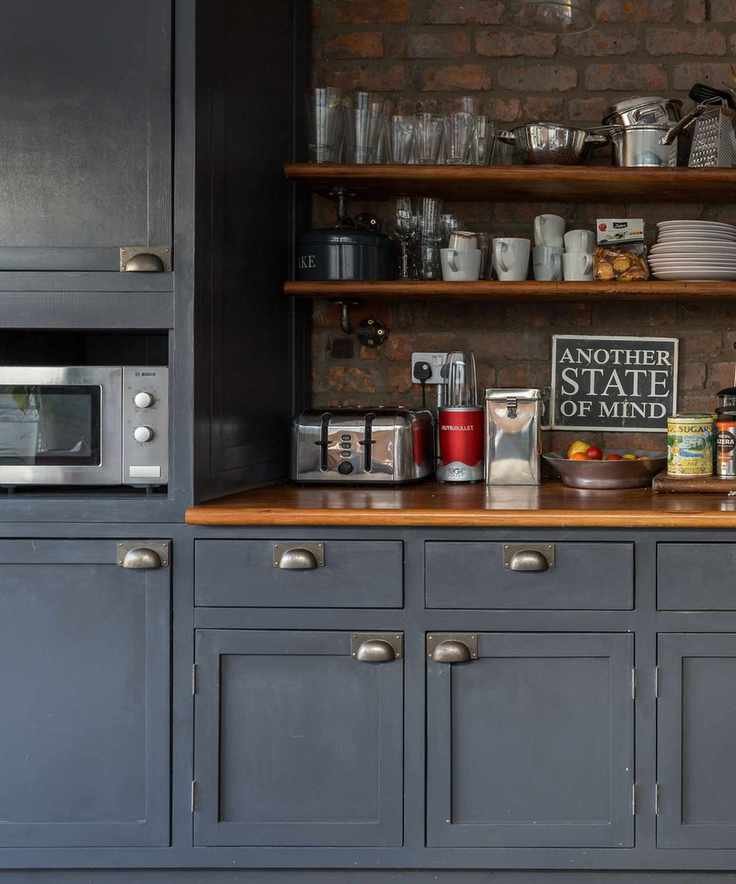
Microwaves should never be discarded in the trash.
Small kitchen appliances like toasters and blenders often end up in the trash without a second thought, but they contain metals, plastics, and electronics that can be recycled.
Never throw microwaves in the trash due to their toxic components. Muffetta Krueger, founder of a housekeeping service, advises checking with local electronic recycling programs or hazardous waste collection sites.
If you plan to upgrade, consider donating a functioning appliance to charity. Always use professional services for dismantling microwaves.
4. Space Heaters

Space heaters can leak if thrown in the trash.
Space heaters can contain wiring and heating elements that are unsafe for landfills. Toner warns against tossing old heaters, as they may leak harmful substances.
If you're replacing a working heater, donate it; if it's broken, contact a hazardous waste facility or an e-waste center to dispose of it properly.
5. Medications

Never discard expired medications in the trash.
Expired or unused medications can contaminate water systems and pose health risks if simply thrown away or flushed. Papich emphasizes that many pharmacies have drug take-back programs, allowing for safe disposal.
For areas lacking take-back options, consider using a home drug disposal kit.
6. Electronics
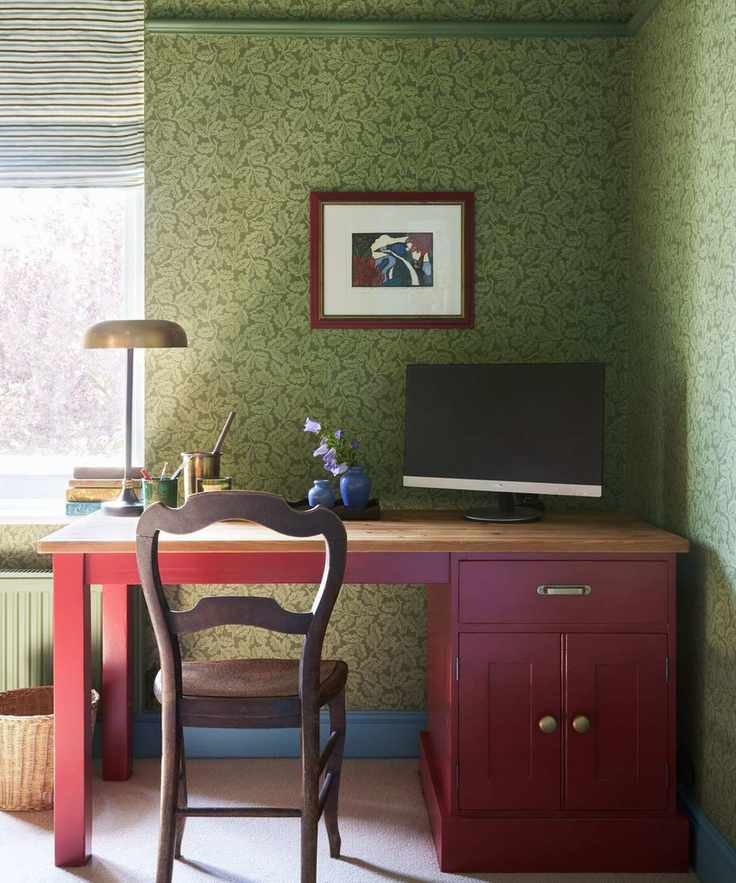
Devices like laptops and smartphones should not go in the trash.
Electronics are full of valuable materials but also contain hazardous substances. Toner stresses that improperly disposing of devices can lead to environmental harm.
Instead of tossing, donate working electronics or recycle them at retailers like Best Buy or Staples. Look for e-waste collection events in your area.
Meet the Experts

Karina Toner is an expert in cleaning, focusing on both residential and commercial spaces.

Sherri Papich specializes in organization and productivity, helping families create functional spaces.

Muffetta Krueger has over 15 years in domestic service management, ensuring cleanliness for busy families.
FAQs
What's the best way to dispose of broken light bulbs?
Broken light bulbs, particularly CFLs, contain mercury. They shouldn't go in regular trash. Many hardware stores offer recycling programs for light bulbs.
Can I recycle electronics in curbside bins?
Most curbside programs don't accept electronics due to their hazardous components. Use designated e-waste recycling programs instead.
Why shouldn't I discard paint cans in the trash?
Paint cans can leak harmful chemicals. Local waste facilities often have hazardous waste programs for safe disposal.
By being mindful of your disposal choices, you can protect the environment and your community.