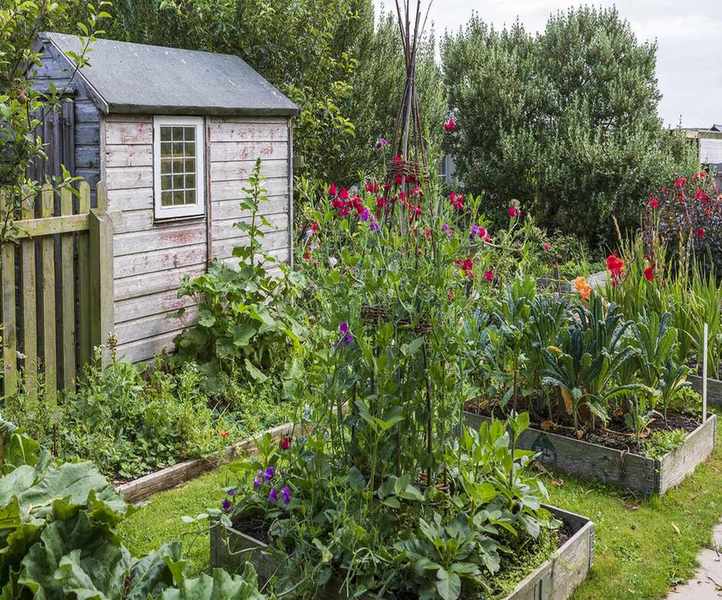
Succession planting is essential for transforming your vegetable garden dreams into reality. Regardless of your climate, especially if you experience cooler fall and winter seasons, this method can boost your harvest and maintain a vibrant garden year-round, not just during peak summer.
Garden guru Joe Lamp'l, commonly referred to as Joe Gardener, emphasizes the benefits of succession planting: 'You can enjoy fresh produce from your garden for much longer than you ever thought possible.'
Here are his top strategies for effectively applying this technique in your own garden.
1. Plant multiple varieties of the same crop
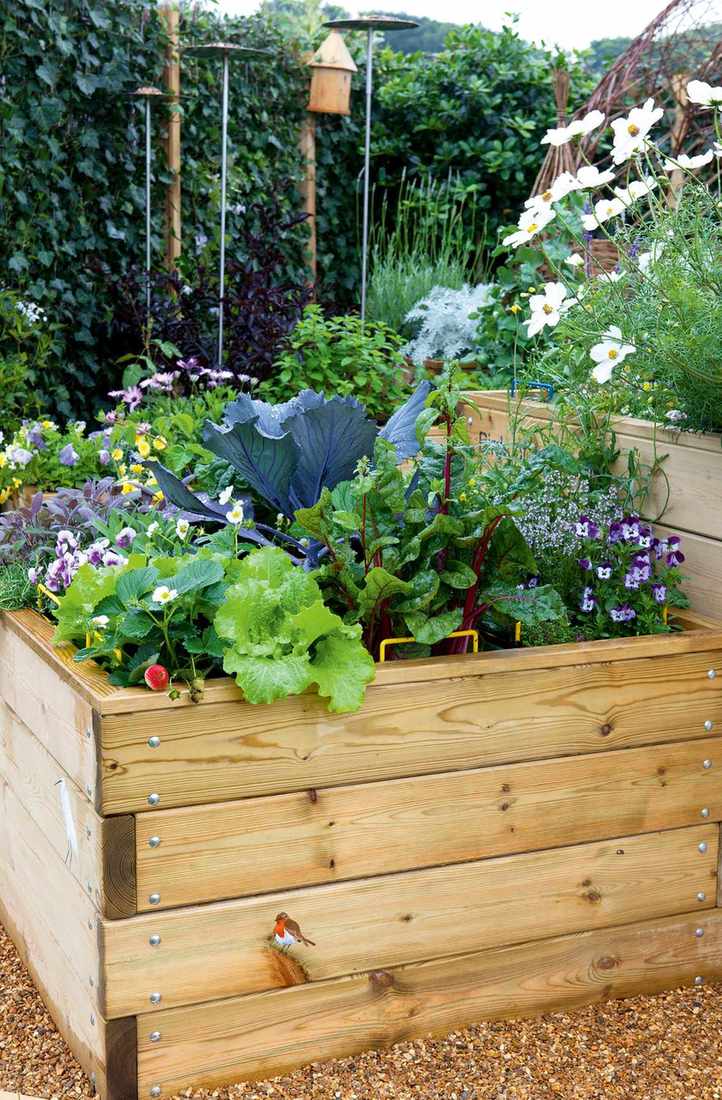
One straightforward approach to succession planting is to grow various types of the same vegetable. According to Joe, 'If you plant different types of tomatoes, you're already practicing succession planting.'
This works because different varieties typically have distinct maturation rates and harvest timings, allowing for an extended harvest season.
For instance, if you plant two potato varieties—Canela Russet and Yukon Gold—you can enjoy potatoes for several weeks longer than if you planted just one.
See: How to grow potatoes – a complete guide
2. Stagger planting times of the same variety
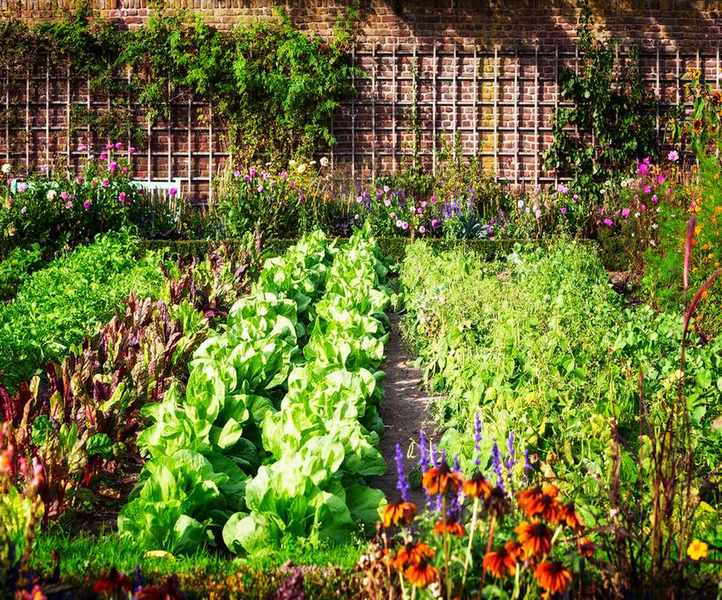
Another effective method to extend your harvest is to stagger planting times. Joe suggests, 'Sow one crop in May for an August harvest, then sow the same variety again in July for an October harvest.' This technique is particularly effective for fast-growing crops like herbs and lettuces.
See: How to grow lettuce – tips for planting and caring for lettuce varieties
3. Interplant wisely without overcrowding
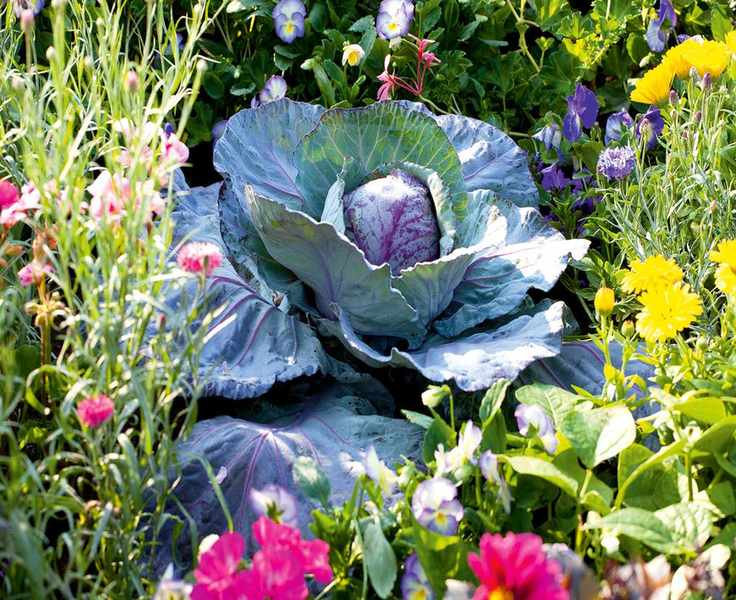
Joe advises interplanting to maximize space in smaller gardens and avoid the bare look that can arise when slower-growing crops, like cabbage, take time to mature.
By planting radishes in the gaps of your young cabbage, you can harvest the radishes before the cabbage reaches full size.
However, be cautious not to overcrowd your plants, as this can hinder their growth. Joe notes, 'For instance, if broccoli is planted too closely, the heads will be stunted. Proper spacing directly impacts productivity, so do your research when experimenting.'
See: Small vegetable garden ideas – from layout designs to crop selection
Each vegetable garden presents an opportunity to experiment, and succession planting is a fantastic way to creatively grow your produce. It creates a more attractive planting scheme and lets you enjoy homegrown vegetables for an extended period. It's definitely worth trying!